Recent Articles by this Author
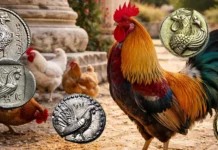
Chickens on Ancient Coins: From Sacred Omens to Civic Symbols
By Mike Markowitz
Chickens on Coins, the Bird That Changed the Ancient World
Chickens may seem ordinary today. However, in antiquity, they carried deep meaning.
Modern chickens...
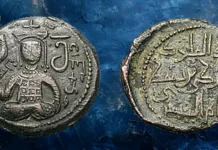
Medieval Coinage of Georgia: Power, Faith, and Empire in the Caucasus
By Mike Markowitz
The medieval coinage of Georgia reflects a remarkable intersection of cultures, empires, and religious traditions. Located in the Caucasus region between Europe...

The “New Style” Owls of Athens
By Mike Markowitz
Athens controlled one of the richest silver mines in the ancient world. Wealth extracted by slave labor elevated the city into a...

Empires in Exile: Coins of the Byzantine Successor States
By Mike Markowitz for CoinWeek .....
ON APRIL 12, 1204, the army of the Fourth Crusade sacked and looted the great city of Constantinople. The...
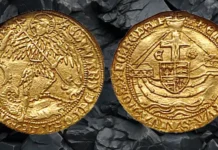
Reading Medieval Coins
Why Medieval Coins Finally Get the Attention They Deserve
The field of medieval numismatics has reached a turning point. Collectors now look at medieval coins...

Byzantine Coins of the Twenty Years’ Anarchy: Empire in Chaos
By Mike Markowitz
A Remote Outpost at the Edge of Empire
At the far margins of the Byzantine world, the town of Cherson (near modern...

Reconquista: Coins of Medieval Spain
By Mike Markowitz for CoinWeek
“Despite an endless series of forays and several invasions intended to be permanent, the Muslims never succeeded in establishing a...
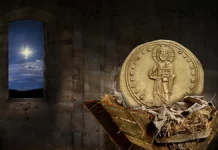
Jesus Christ on Ancient Coins
CoinWeek Ancient Coin Series by Mike Markowitz .....
As with politicians, nothing is more important to gods than image ... Perhaps this is the secret...

When Horses Flew: Pegasus on Ancient Coins
By Mike Markowitz for CoinWeek .....
THE DREAM OF flight has always held a powerful grip on the human imagination. Pegasus, the flying horse of...

Coins of the Fourth Crusade
By Mike Markowitz for CoinWeek .....
Thanks to generations of intermarriage within a relatively narrow elite, almost everyone in the Byzantine ruling class of the...
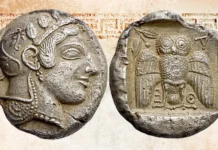
Top Ten Ancient Greek Coins
By Mike Markowitz for CoinWeek
In 2008, Whitman Publishing released 100 Greatest Ancient Coins by long-time Chicago coin dealer Harlan J. Berk. Now in its...

Not Forgotten: The Restoration Coinage of Trajan Decius
by Mike Markowitz for CoinWeek
With this series of coins, Decius may have sought to invoke the support of his deified predecessors during a period...
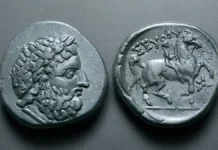
From Teres to Seuthes III: Unearthing the Coins of Thrace’s Warrior Kings
By Mike Markowitz for CoinWeek...
"The Thracians are the biggest nation in the world, next to the Indians; were they under one ruler, or united,...

First Read: Moneta: A History of Ancient Rome in Twelve Coins
First Read, a continuing series of essays about classic and contemporary works of numismatic literature ...
Moneta: A History of Ancient Rome in Twelve Coins...

Ancient Coinage of Gela : Mike Markowitz
By Mike Markowitz for CoinWeek …..
Founded by colonists from Rhodes and Crete in 698 BCE, Gela, a city on Sicily's southern coast, took its name from a nearby...

Mountains on Ancient Coins : Markowitz
By Mike Markowitz for CoinWeek …..
The ancient Greeks and Romans lived in a rugged, mountainous world. Mountains were not only the homes of their gods and nature spirits...

Exploring the Coins of Charlemagne – Mike Markowitz
By Mike Markowitz for CoinWeek …..
The Roman system of coinage outlived the Roman Empire itself. Prices were still being quoted in silver denarii in the time of Charlemagne,...

Maxxed Out: Confusing Imperial Names on Roman Coins
By Mike Markowitz for CoinWeek …..
In Latin, "maximus" means "the greatest," as in the name of Rome's famous chariot racing stadium, the Circus Maximus. The high priest of...
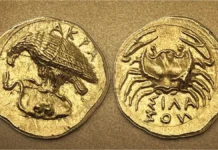
The Coinage of Akragas : Mike Markowitz
By Mike Markowitz for CoinWeek …..
Akragas (Agrigentum in Latin, now Agrigento, Italy) was founded around 582 BCE by Greek colonists from the nearby city of Gela on the...

God of Fire: Hephaestus and Vulcan on Ancient Coins
By Mike Markowitz for CoinWeek .....
TO THE ANCIENT Greeks, he was Hephaistos. To the Romans, he was Vulcan. To the Etruscans, he was Sethlans....