By Mike Markowitz for CoinWeek …..
The ancient Greeks and Romans lived in a rugged, mountainous world. Mountains were not only the homes of their gods and nature spirits but often the sources of life-sustaining rivers. In some cases, they were volcanoes that spewed death and destruction. Some towns were even built on mountaintops. Given this, it’s surprising that mountains so rarely appear on ancient coins.
For instance, no ancient coin depicts holy Mount Olympus, despite archaeologists finding coins dated to circa 400 BCE at a shrine near its summit. Neither Sicily’s still-active Mount Etna nor Mount Vesuvius (the volcano that destroyed Pompeii in 79 CE) appears on any Greek or Roman coin. However, a few mountains do appear on coins, usually to express local pride in a sacred site.
Mount Argaeus
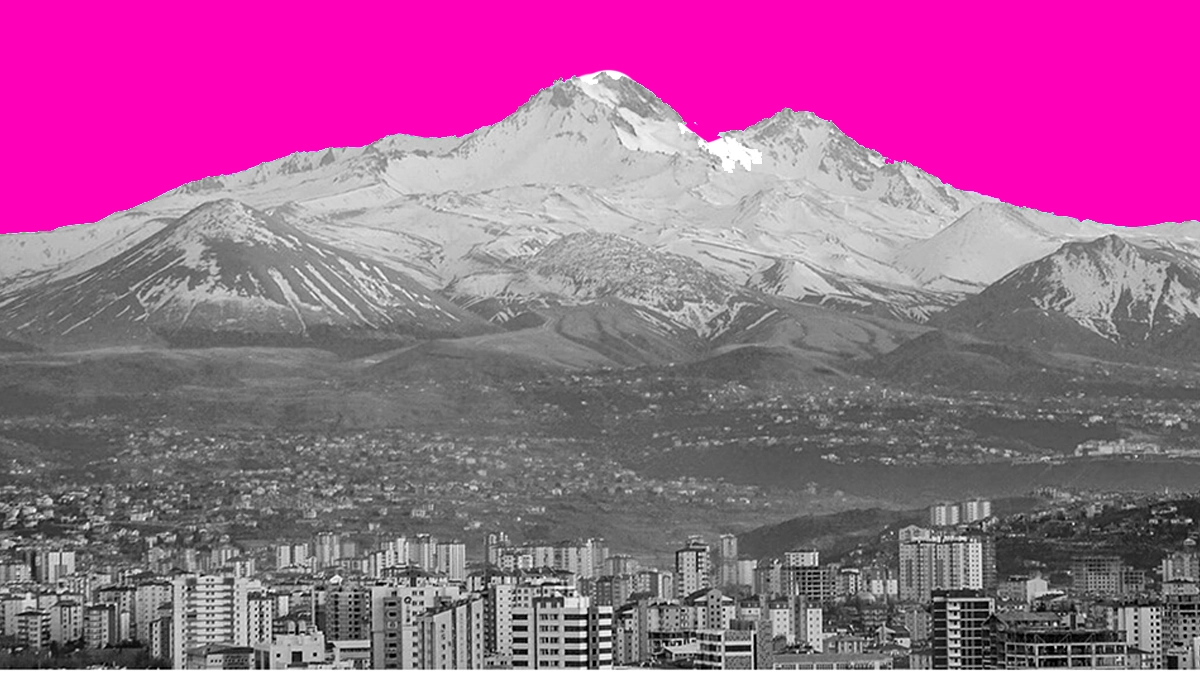
Looming above the ancient city of Caesarea in central Anatolia (known as Mazaca in ancient Greek and today as Kayseri, Türkiye) is Mount Argaeus (Erciyes Dağı in Turkish). This extinct volcano peaks at 3,917 meters (12,851 ft). In antiquity, the peak was always snow-capped. The ancient geographer Strabo (circa 64 BCE – 24 CE) wrote that from the summit, it was possible on a clear day to see both the Black Sea to the north and the Mediterranean to the south.
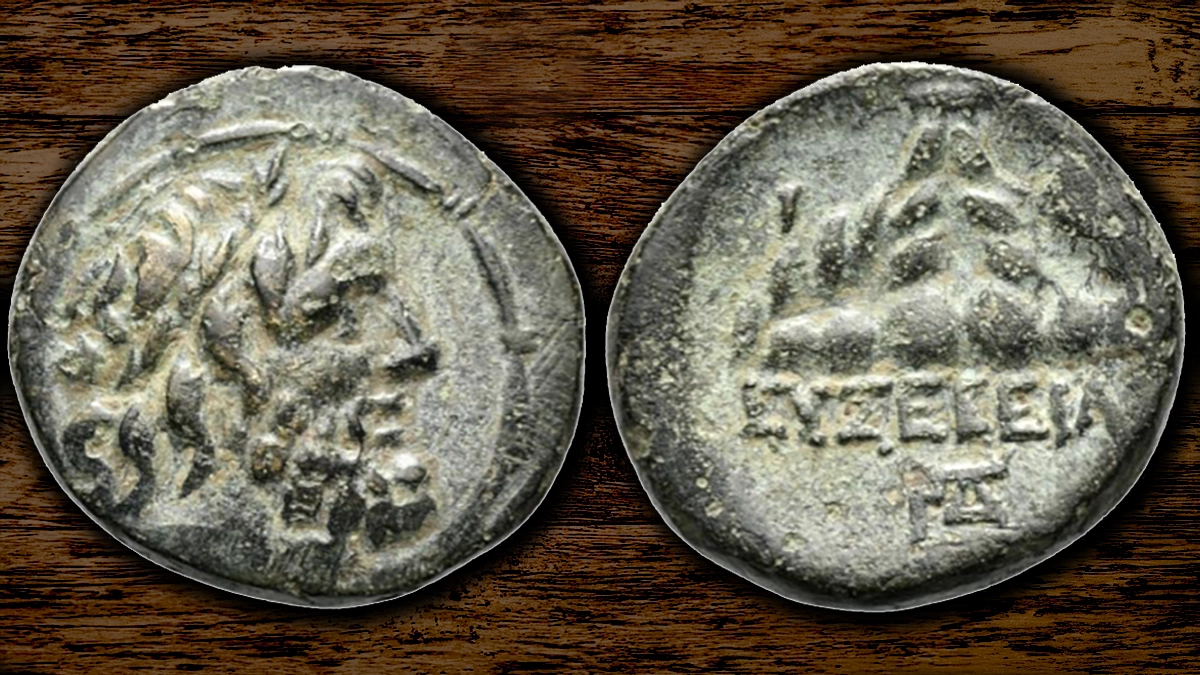
Under the kings of Cappadocia (who ruled from 331 BCE to 17 CE), Caesarea was called “Eusebeia under Mount Argaios.” Archelaos, the last king (ruled 36 BCE – 17 CE), struck rare bronze coins depicting the sacred mountain. A bronze coin dated to circa 9 BCE bears the head of Heracles on the obverse and the mountain, represented as a pile of rocks with an eagle perched on the summit, on the reverse.
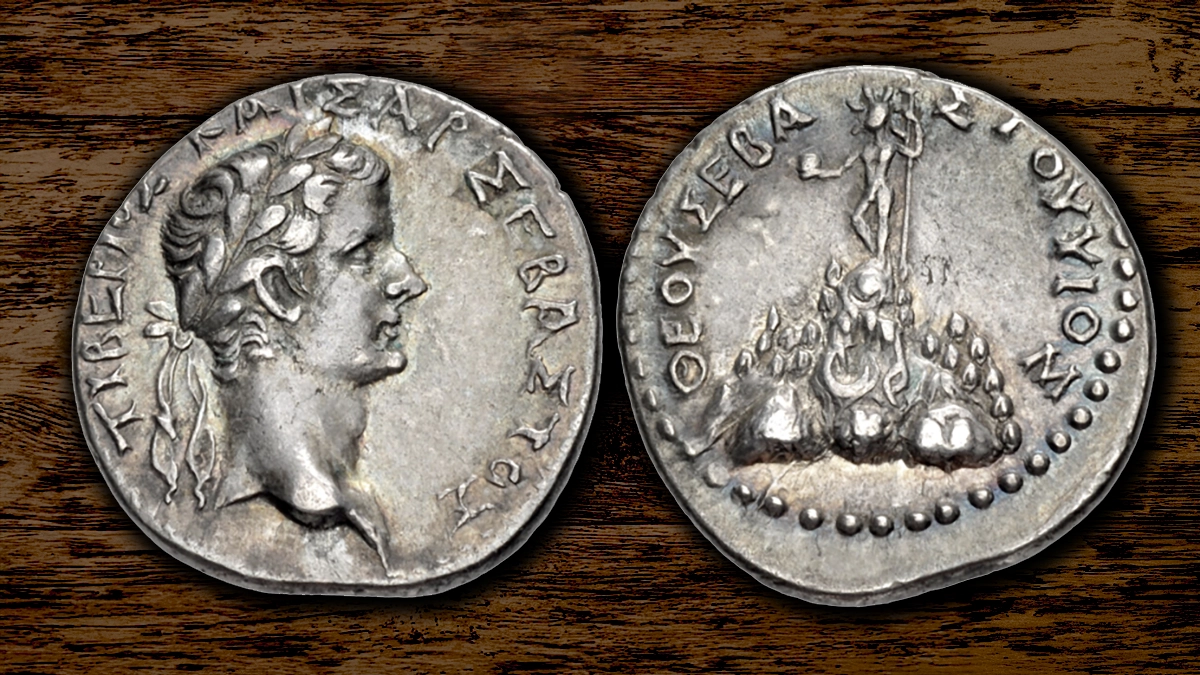
After Cappadocia became a Roman province, the mountain continued to appear on local coinage. A silver drachm of Tiberius, dated to circa 17 – 32 CE, shows the mountain topped by the standing figure of a deity. A century later, on a silver didrachm of Hadrian (circa 128 – 138 CE), three stars appear above the mountain. Another century later, in 241 CE, a drachm of Gordian III renders the mountain in rich detail.
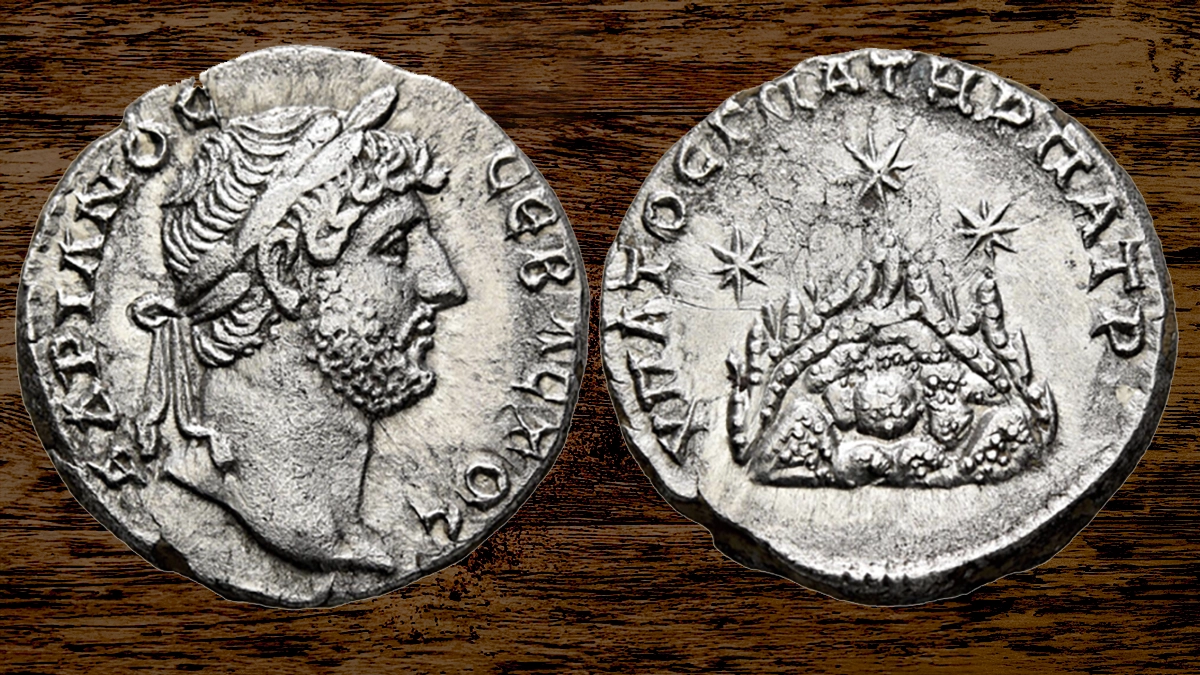
On the Coin Archives Pro database, which lists almost three decades of ancient coin auction records, a search for “Mount Argaeus” (conducted on June 16, 2025) produced 2,394 hits—all coins of Caesarea in Cappadocia.
Mount Gerizim
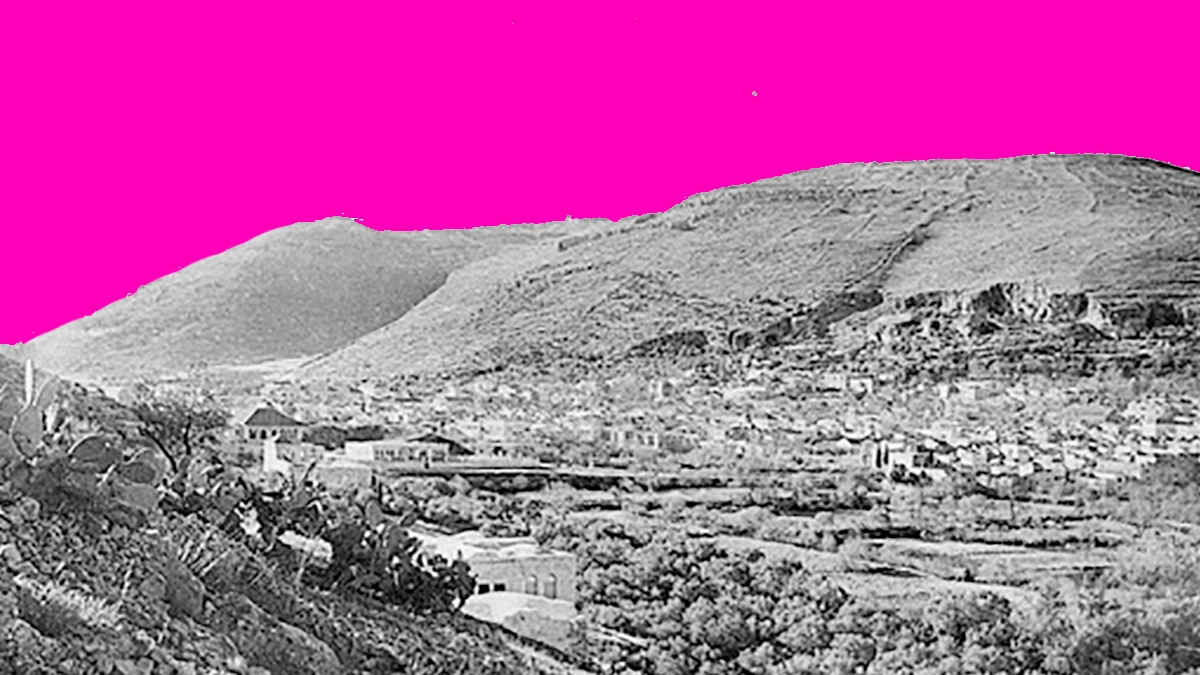
On an “apparently unique” silver tetradrachm of Neapolis struck under Caracalla (c. 215 – 217 CE) this view of the mountain is within a circular beaded border supported by an eagle with spread wings.
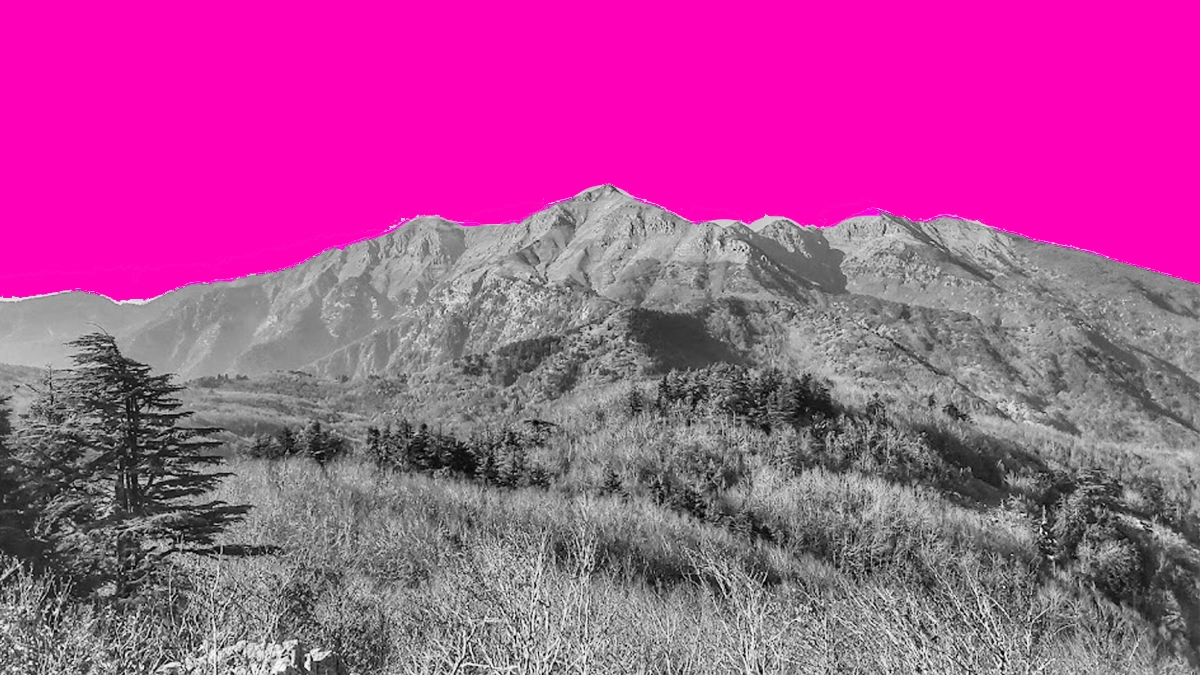
Above the town of Neapolis in Samaria (now Nablus in the West Bank of Palestine), Mount Gerizim rises to 881 meters (2,890 feet) above sea level. The mountain has been—and remains—sacred to the Samaritans, a sect that split from mainstream Judaism in antiquity. Their temple once stood at the summit and is depicted on a series of Roman provincial coins from Neapolis, minted during the second and third centuries CE. Under Roman rule, this temple was repurposed as a shrine to Jupiter. Like many ancient temples, it was demolished after the empire officially adopted Christianity. A large bronze coin dated to 161 CE, struck under Antoninus Pius (34 mm, 24.57 g), offers a detailed depiction of Mount Gerizim.
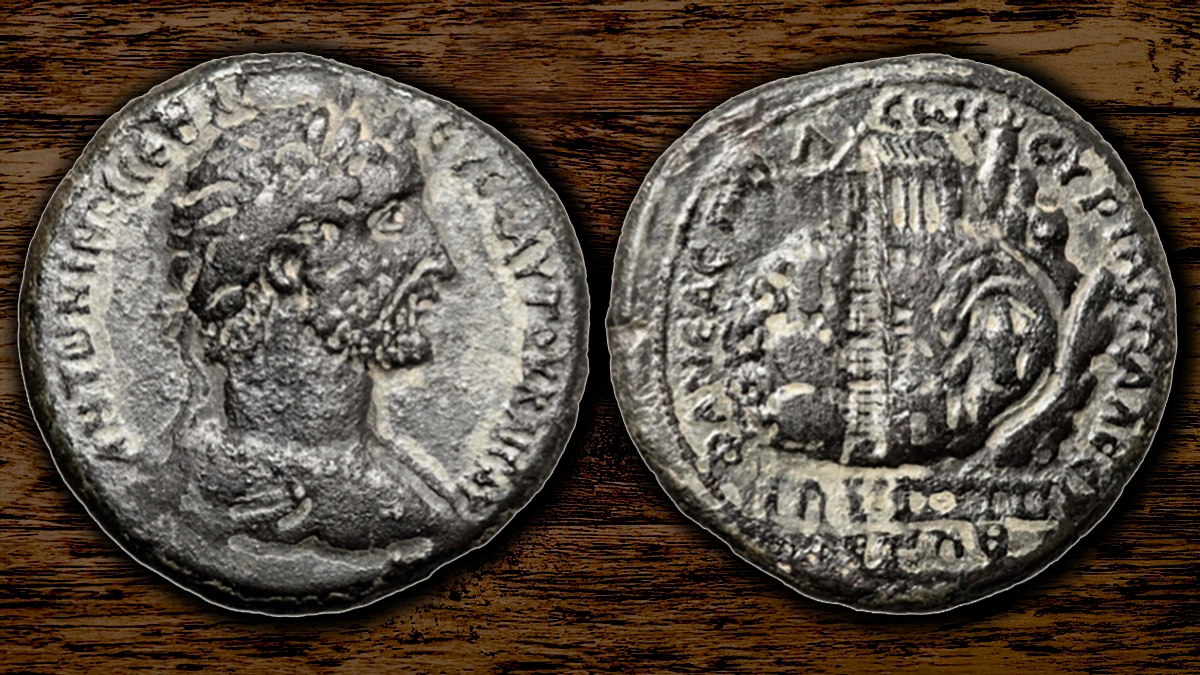
The cataloguer describes it as follows:
[B]elow in front, a colonnade with two arched entrances; the l. one leads to a stairway on l., flanked by a series of shrines or altars on the slope; the stairway leads to a temple seen in three quarter view; another roadway flanked by trees leads from the colonnade to an altar on top of the hill.
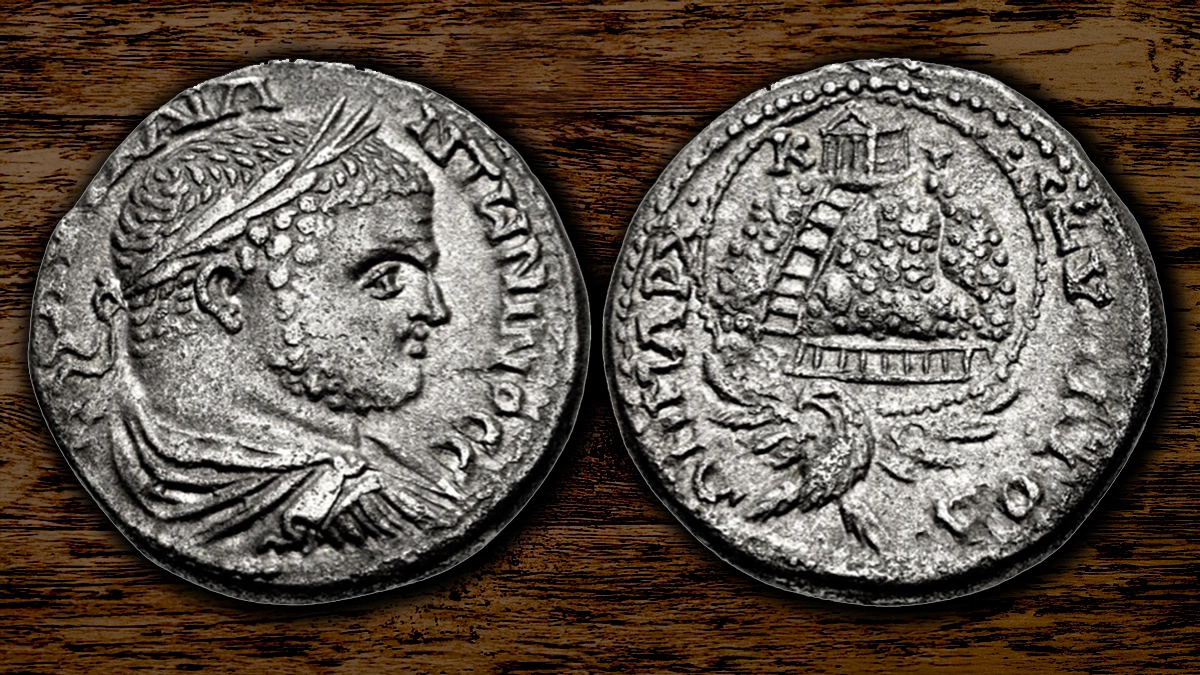
An “apparently unique” silver tetradrachm from Neapolis, struck under Caracalla (c. 215–217 CE), features this view of the mountain within a circular beaded border, supported by an eagle with spread wings.
Mount Tmolus
Under the Persian Achaemenid empire (550-330 BCE) Sardis was the capital of the province of Lydia and an important mint. A remarkable silver tetradrachm, was probably struck around 336-334 BCE to pay the mercenaries who would fight the invasion of Alexander the Great. The obverse depicts the Persian king holding a bow and spear. The reverse bears an irregular stippled pattern that has been interpreted as a topographic relief map of the terrain between Sardis and Ephesus a distance of about 50 miles, or 80 km including Mt. Tmolus. This would be the earliest preserved Greek map (Johnston, 1967.) In a 2015 US auction, an example of this type sold for $13,000.
The ancient city of Sardis lies on a spur of Mount Tmolus (modern Bozdağ), which has a highest point of 2,157 m (7,077 feet). In antiquity, the mountain’s slopes were famed for the excellent wine they produced. The Pactolus River (modern Sart Çayı), a source of electrum nuggets used to make the earliest coins, flows down from the mountain.
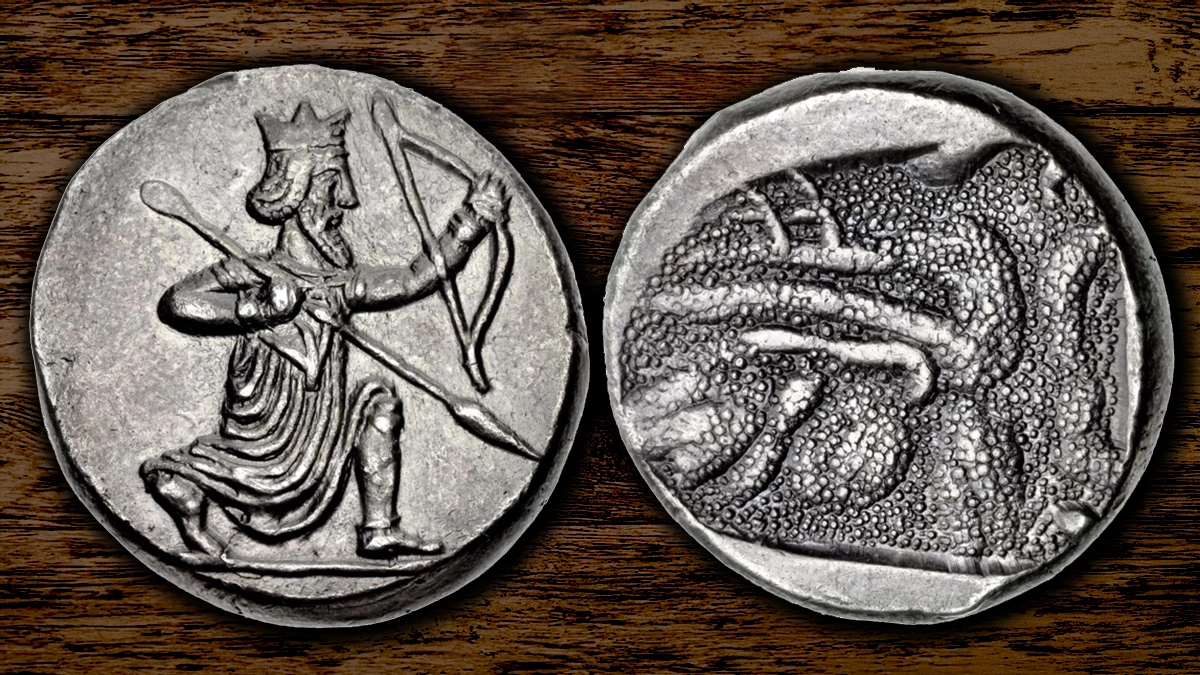
Under the Persian Achaemenid Empire (550-330 BCE), Sardis was the capital of the province of Lydia and an important mint. A remarkable silver tetradrachm was probably struck around 336-334 BCE to pay mercenaries who would fight Alexander the Great’s invasion. The obverse of this coin depicts the Persian king holding a bow and spear. The reverse bears an irregular stippled pattern, interpreted as a topographic relief map of the terrain between Sardis and Ephesus—a distance of about 50 miles (80 km), including Mt. Tmolus. This would make it the earliest preserved Greek map (Johnston, 1967). In a 2015 U.S. auction, an example of this type sold for $13,000.
On a rare bronze coin of Sardis under Roman emperor Caracalla (c. 211-217 CE) Tmolus is personified as a mountain god, reclining on pile of rocks, surrounded by grape vines.
Mount Eryx
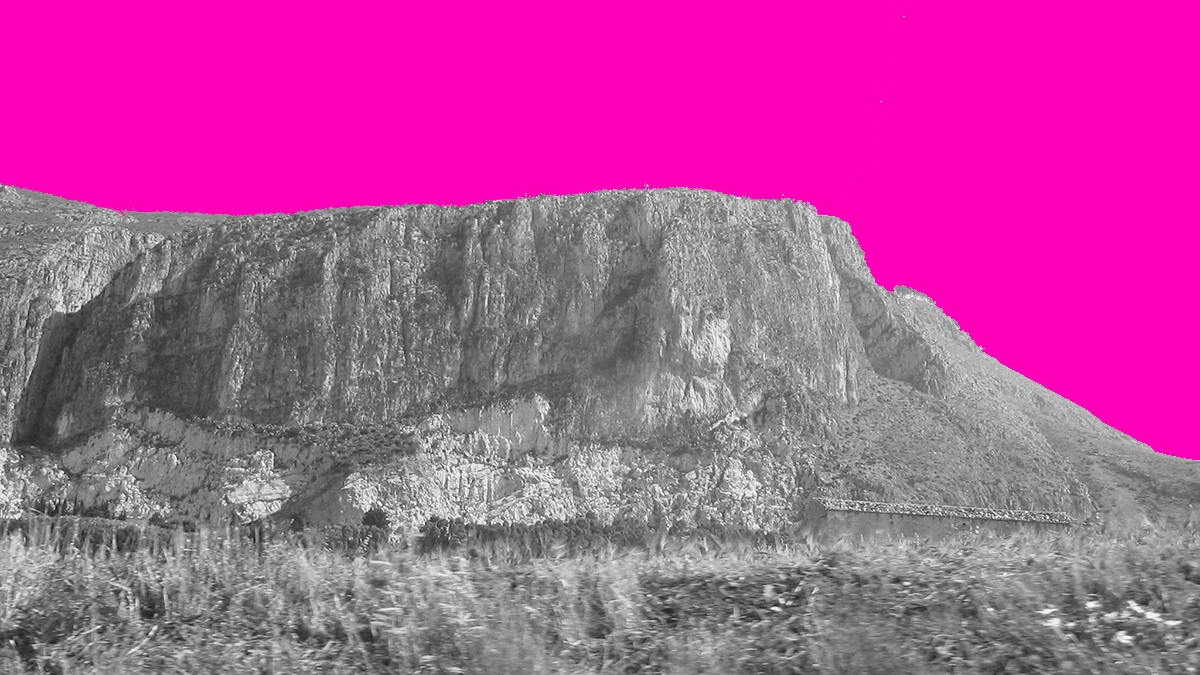
The ancient town of Eryx (today Erice, Sicily) occupies a mountaintop overlooking the coastal city of Trapani. Founded by an indigenous people called the Elymians, it was later settled by Phoenicians and Carthaginians, who strongly fortified it with massive stone walls. In antiquity, it was an important shrine to the fertility goddess Astarte, identified by Greeks as Aphrodite and by Romans as Venus. Romans came to believe that the temple of Venus on Mount Eryx was founded by their legendary culture hero Aeneas, a refugee from the fall of Troy.
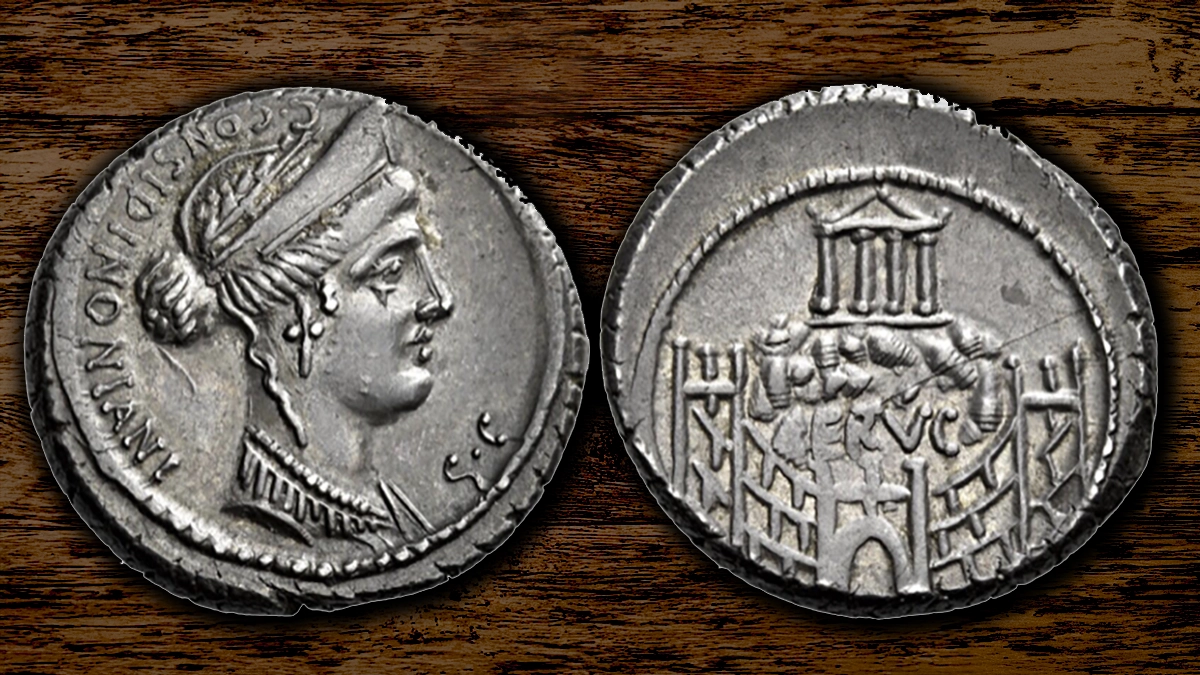
A Roman silver denarius, dated to 57 BCE and struck by the moneyer C. Considius Nonianus (who is otherwise unknown to history), depicts the temple on its walled mountain above a tablet inscribed “ERVC.” The coin’s obverse bears an elegant head of the goddess. An example, pedigreed to the famous Archer Huntington collection, brought over $4,500 in a 2024 Swiss auction.
Some numismatists argue that the temple depicted on the coin is actually the temple of Venus Erycina on Rome’s Quirinal Hill, but this seems to be a minority opinion.
Mount Ararat
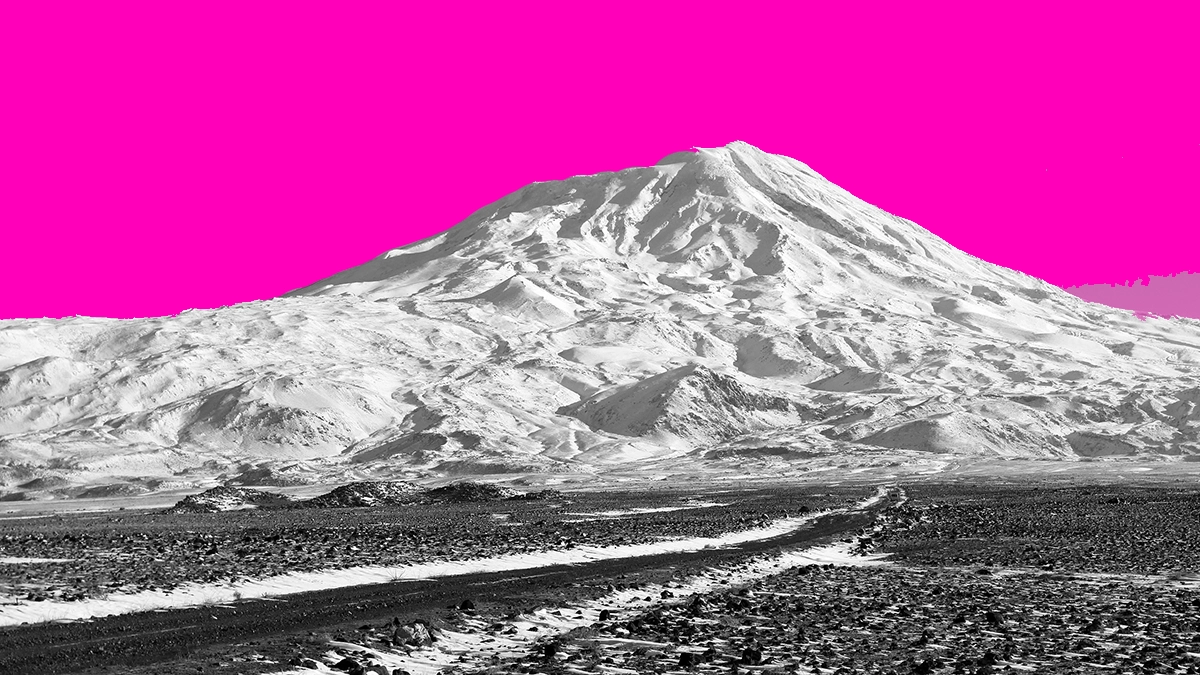
Located in eastern Anatolia, Mount Ararat is a dormant volcano with twin snow-capped peaks. The larger peak rises to 5,137 m (16,854 ft). Although the mountain is located in Türkiye, it is visible on a clear day from the Armenian capital of Yerevan and remains an important national symbol for the Armenian people.
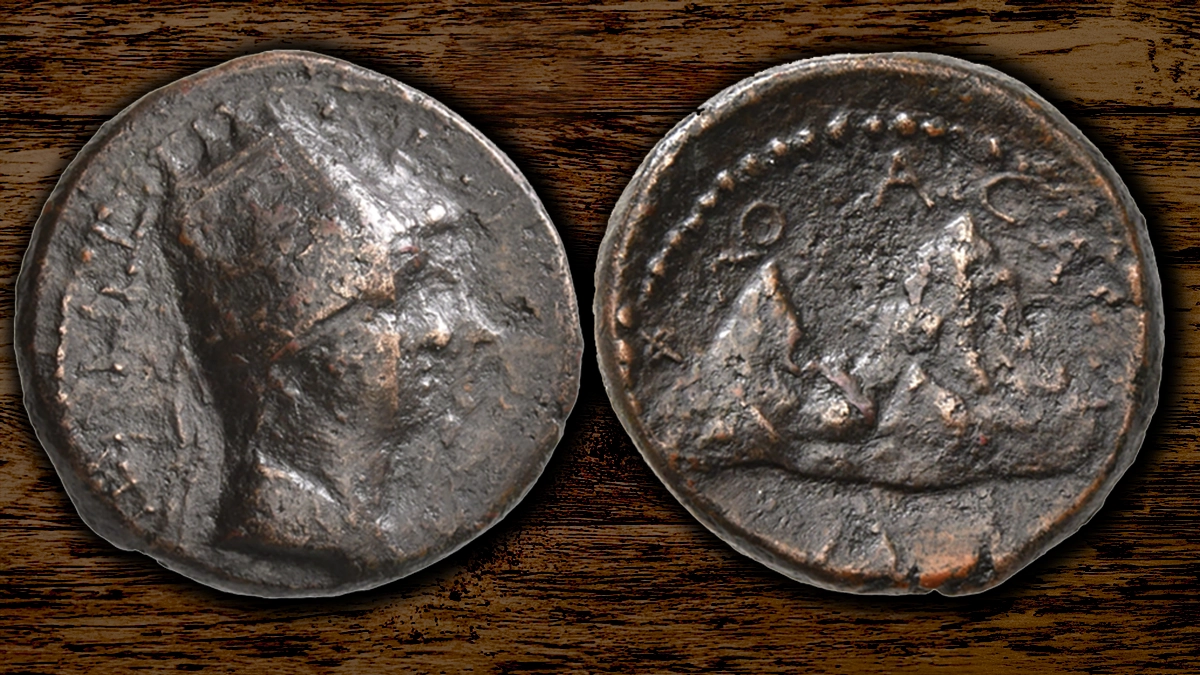
The only ancient coin that clearly depicts the mountain is a bronze dichalkon of Tigranes IV with his half-sister and queen, Erato, who reigned as Roman client rulers of Armenia from 8 BCE to 1 CE. Described as “unusually complete…with excellent details and undoubtedly among the finest known. Somewhat rough, otherwise, very fine,” an example from the mint of Artaxata brought $4,780 in a 2018 Swiss auction. In 2023, a slightly better example from the same auction house brought $11,798!
Acrocorinth
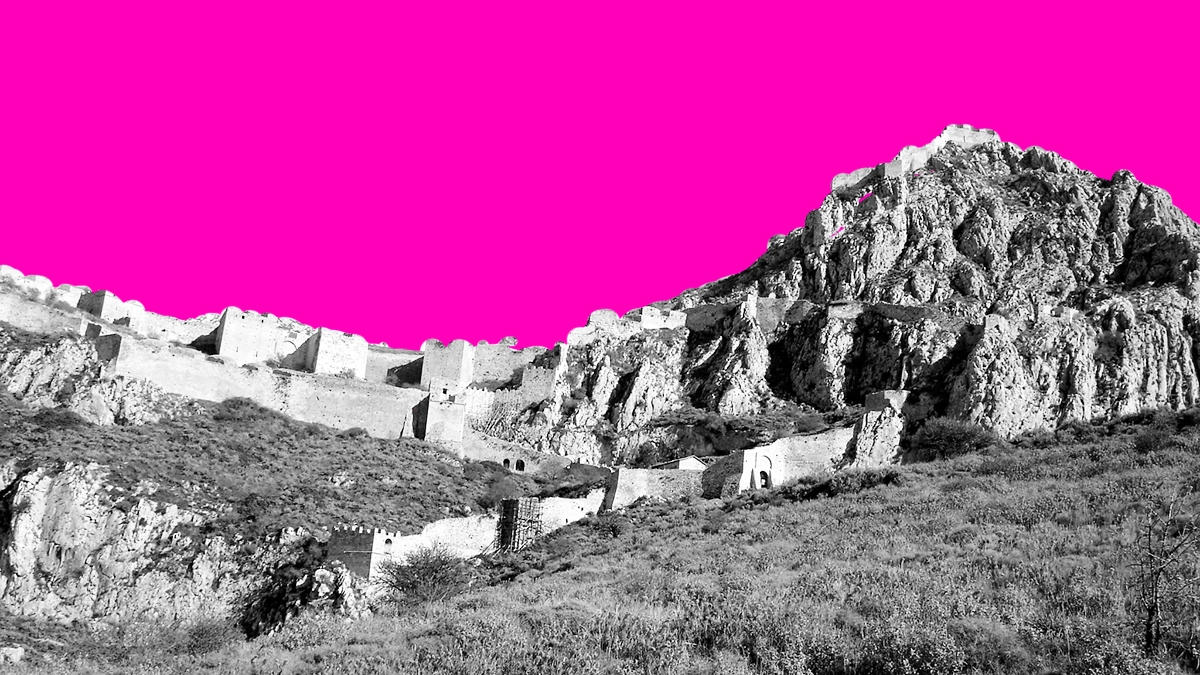
Located on the strategic Isthmus (a narrow strip of land connecting the Peloponnesian peninsula to the Greek mainland), Corinth was one of the wealthiest and most powerful Greek city-states. Sacked and plundered by the Romans in 146 BCE, the city later recovered under Roman rule. Rising to an elevation of 575 meters (1,886 feet), Acrocorinth, a rocky outcrop topped by a fortress, overlooks the city.
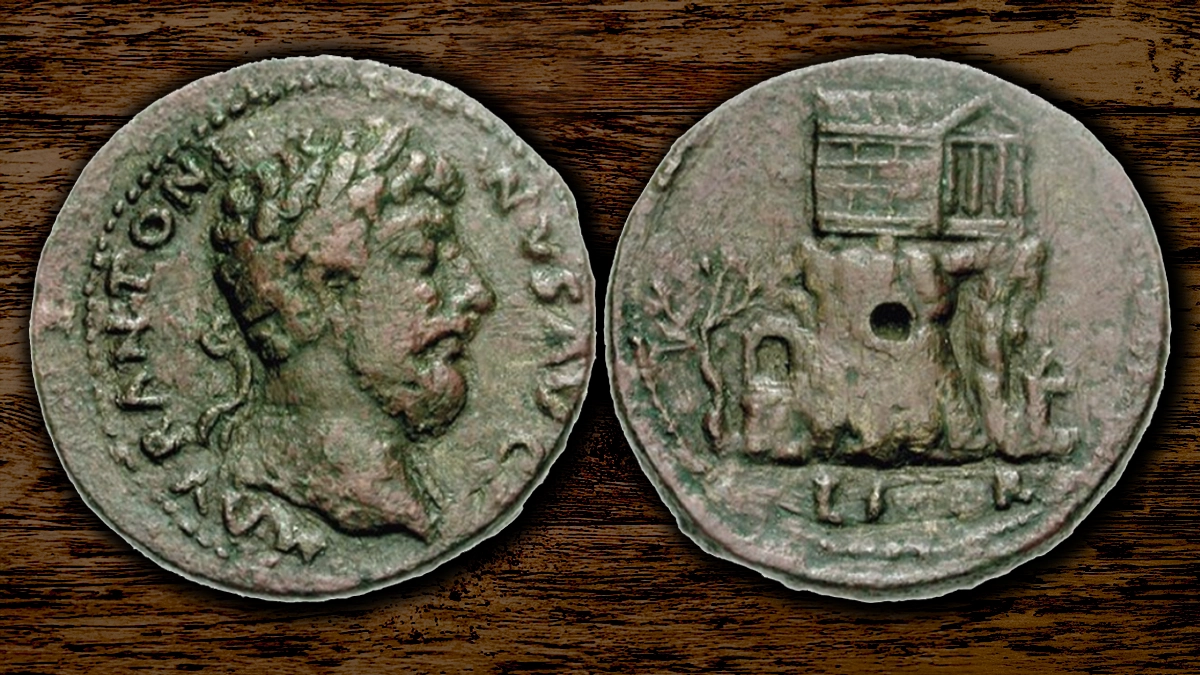
A large bronze coin of Corinth, issued under Roman emperor Marcus Aurelius (ruled 161-180 CE), shows Acrocorinth crowned by a large temple of Aphrodite. Graded as “Good VF,” this rare type brought $4,600 in a 2006 U.S. sale.
Amasya
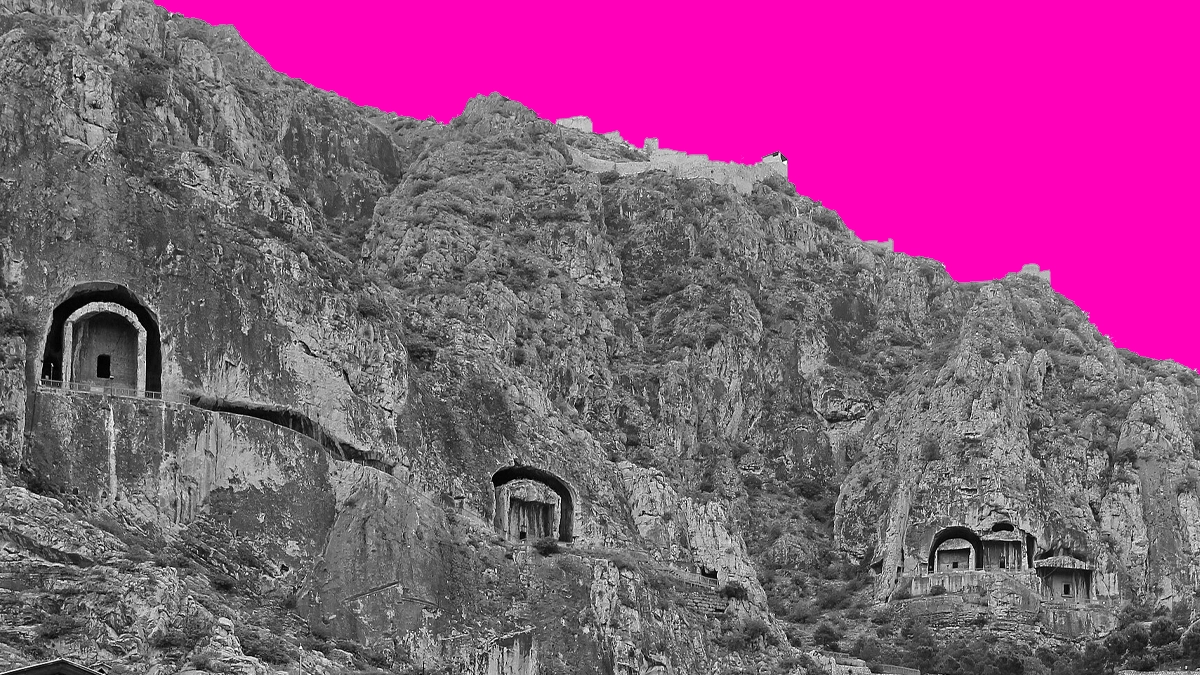
…Amaseia, my fatherland, a very strongly fortified city… (Strabo, Geography, Book XII, Chapter 3)
Founded by the Hittites in the second millennium BCE, Amasya (or Amaseia) in north-central Anatolia was later settled by Phrygians, Cimmerians, Lydians, Greeks, Persians, and Armenians. It was the capital of the Greek kingdom of Pontus before it came under Roman rule in 70 BCE. The ancient Greek geographer Strabo (c. 64 BCE – 24 CE) was a native of Amasya.
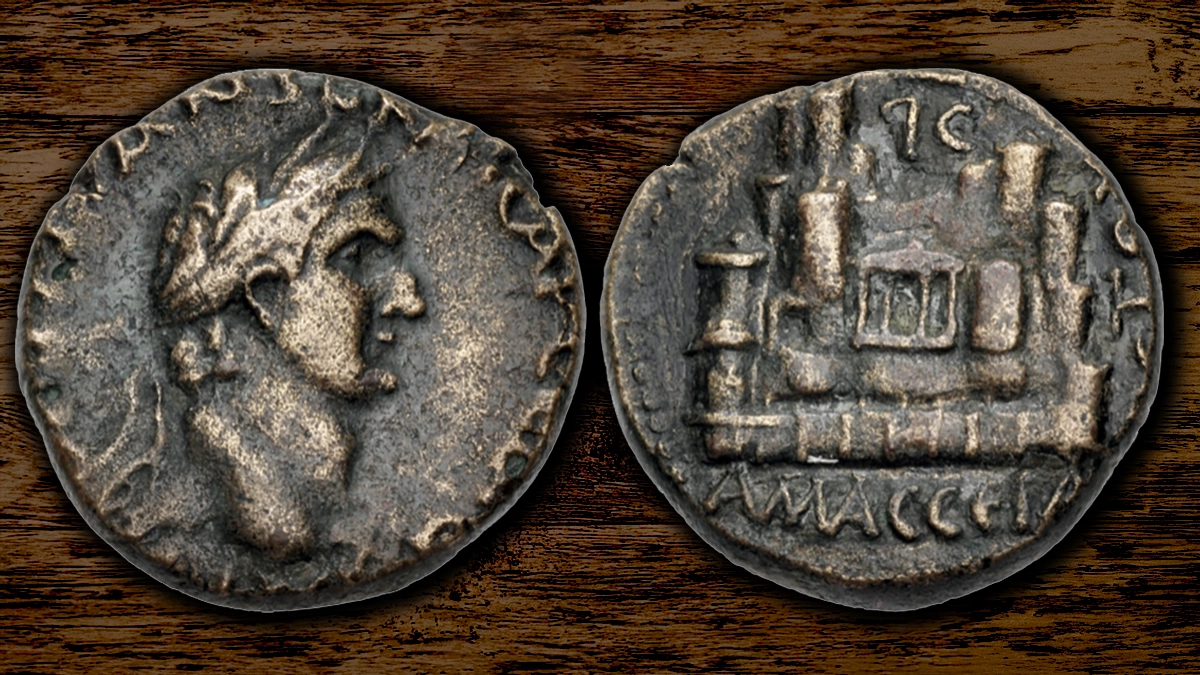
On a bronze coin of Domitian dated to 92/93 CE we see the walled hilltop city surrounding a temple.
Athens
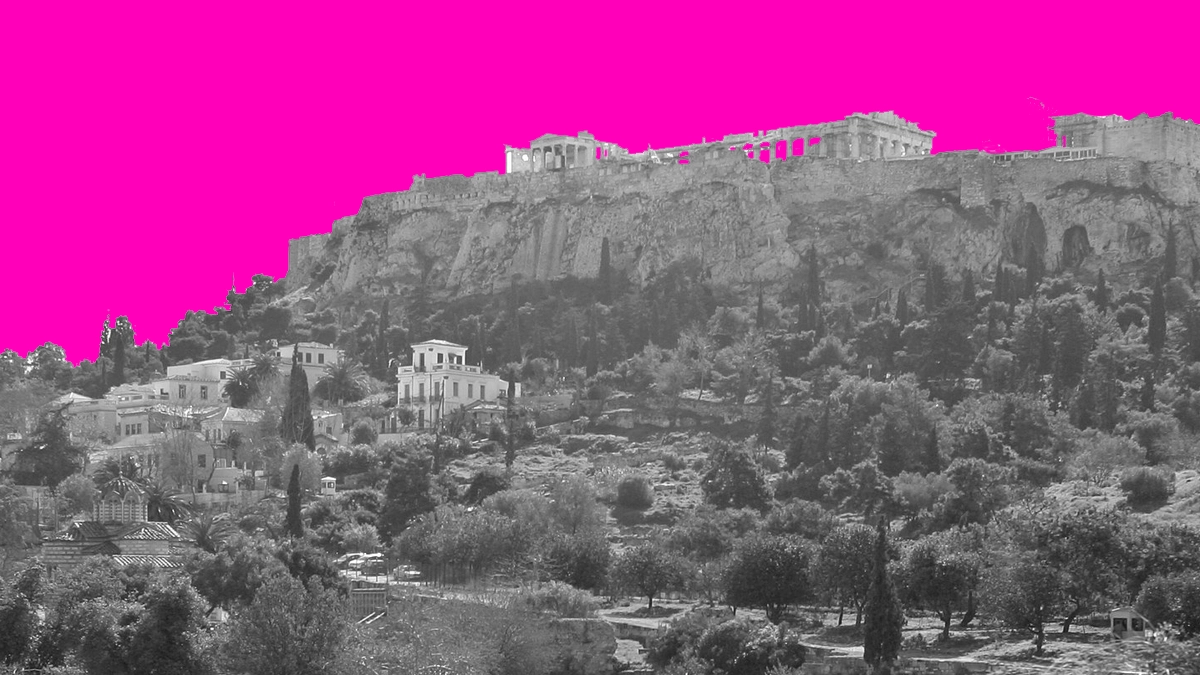
The Acropolis of Athens is a flat-topped limestone hill that reaches an elevation of just 150 meters (490 feet) above sea level. As a tourist who has climbed those stairs on a very hot day, I can vouch for its status as a mountain. Thanks to its enormous cultural prestige, Athens enjoyed a considerable degree of autonomy under Roman rule, including the right to issue local bronze coinage. A very rare type, dated to c. 140 – 175 CE, shows the Acropolis viewed from the north and west, with the “Cave of Pan”—a natural grotto dedicated to the god of wilderness, nature, and shepherds—prominent in the center. Donaldson (1859) saw a well-preserved example and wrote: “By the aid of a powerful glass, I could perceive within the cave a crouching human figure, possibly intended to represent Pan himself.”
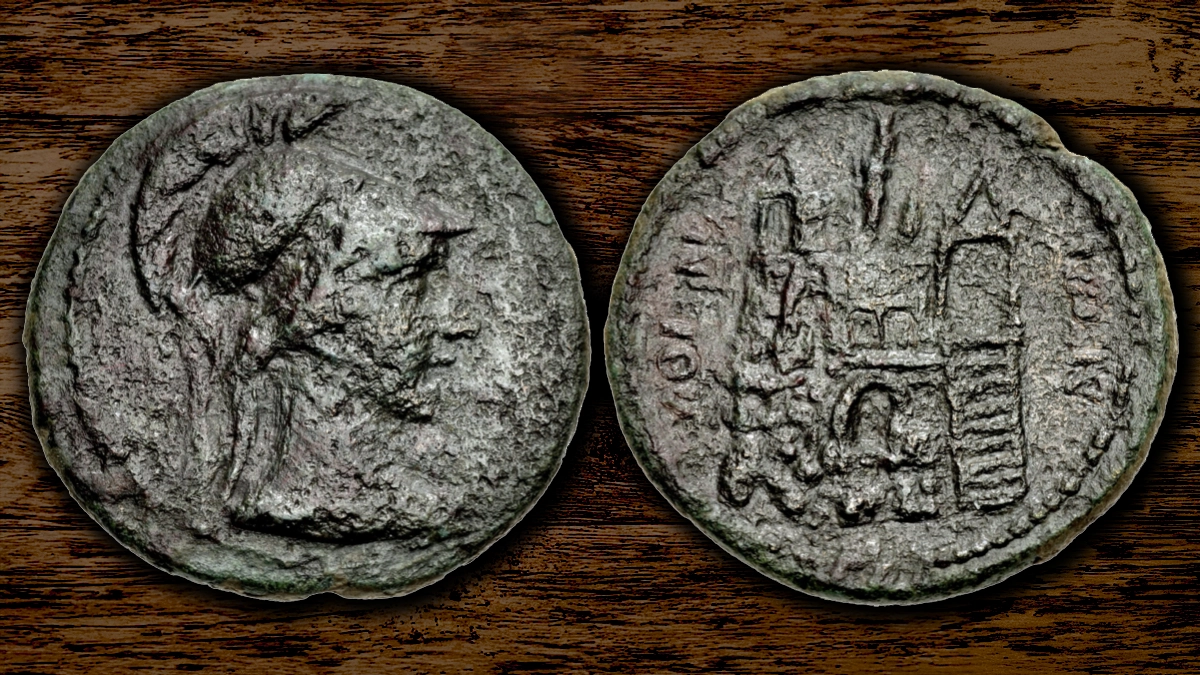
In a 2016 U.S. auction, an example described as “VF, rough green and brown patina” brought $2,750. A better example is in the collection of the Kunsthistorisches Museum in Vienna, Austria.
Thrace
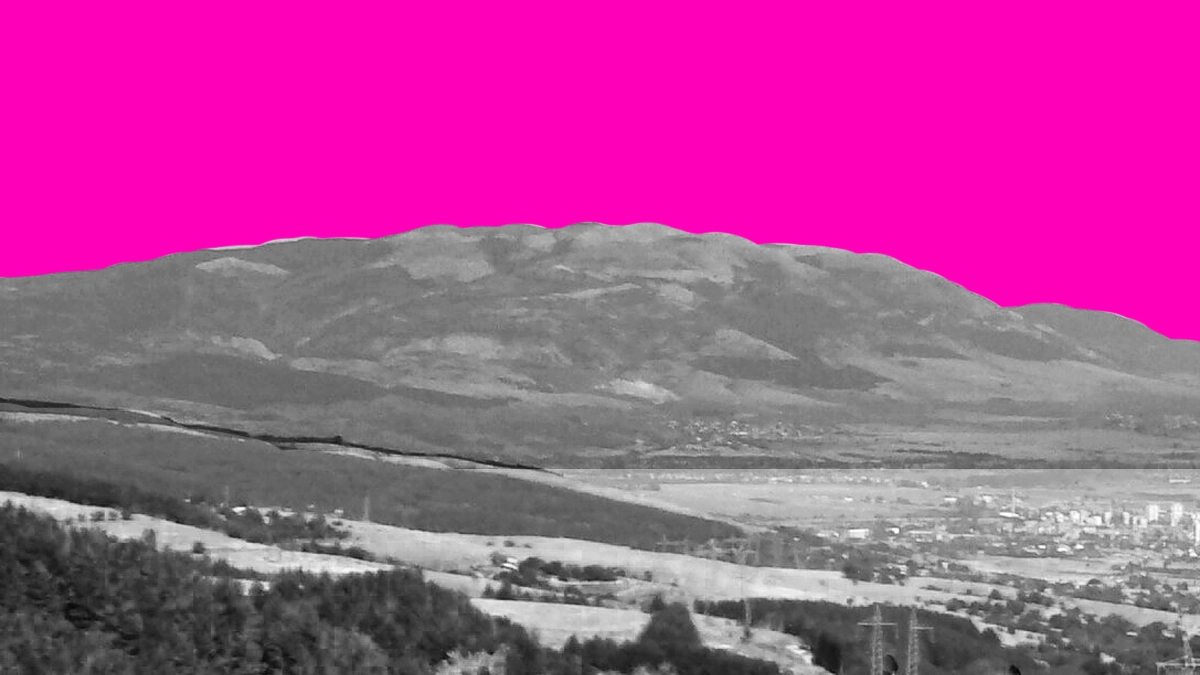
Pautalia, an important ancient city of Thrace (today Kyustendil, Bulgaria), had a temple of the healing god Asclepius atop the fortified hill of Hisarlaka. This hill and its temples figure prominently on the city’s coinage.
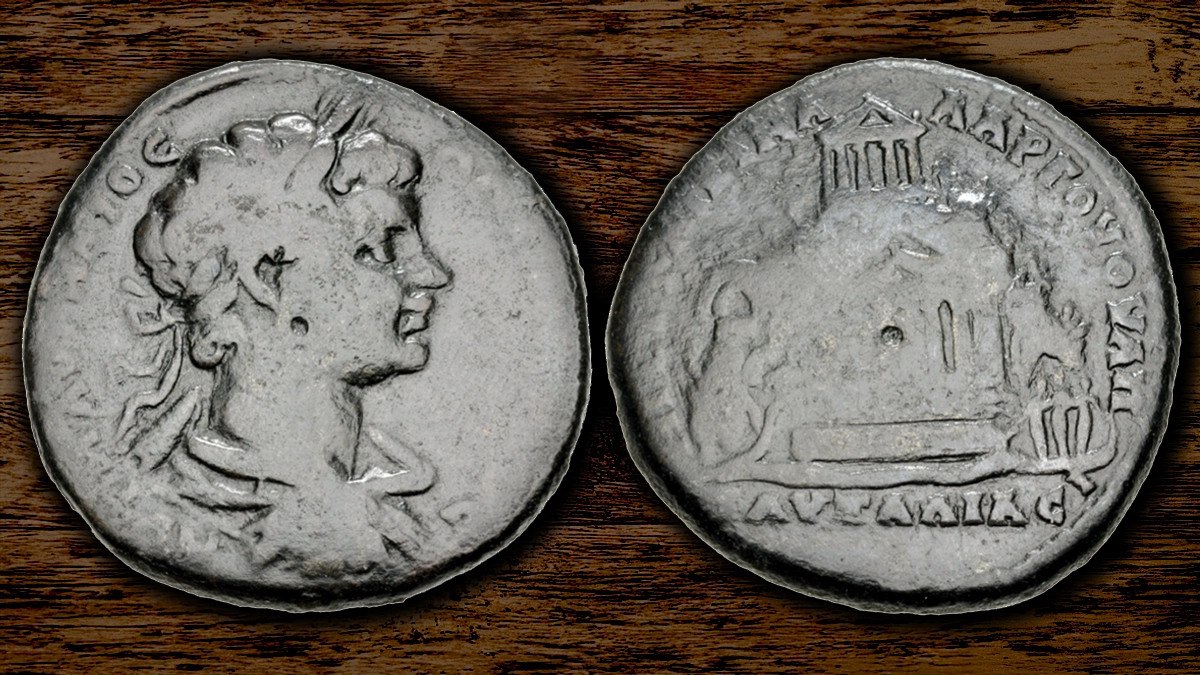
A large civic bronze coin of Emperor Caracalla, dated to c. 198-201 CE, shows the hill topped by the temple. Only two examples of this type, a pentassarion, are known, but in a 2024 U.S. auction, one sold for just $300.
Collecting Mountains
Many of these coins are “Roman Provincial” bronzes that can be heavily worn and corroded, but because they are scarce and considered highly desirable “architectural types,” they often bring high prices at auction. The website Roman Provincial Coinage Online lists 45 types that depict mountains or mountain gods. Assembling a thematic collection of ancient coins that show mountains would be a challenge for a patient, determined, and resourceful collector.
* * *
References
Burnett, Andrew. The Roman Provinces, 300 BCE-300 CE: Using Coins as Sources. Cambridge (2024)
Butcher, Kevin. Roman Provincial Coins. London (1988)
Donaldson, T. L. Ancient Architecture on Greek and Roman Coins. Chicago (1965 reprint of 1859 edition)
Johnston, A. “The Earliest Preserved Greek Map. A New Ionian Coin Type.” Journal of Hellenic Studies 87 (1967)
Price, M.J. and Bluma Trell. Coins and Their Cities. London (1977)
Sear, David. Greek Imperial Coins and their Values: The Local Coinages of the Roman Empire. London (1982)
Sydenham, E. A. The Coinage of Caesarea in Cappadocia. London. (1933)