


Gold and silver delivered dramatic rallies into late January. However, history suggests the correction may not be over.
According to precious metals analysts at Heraeus, both metals likely face further downside before reaching a durable price floor. While geopolitical tensions and tariff uncertainty continue to support gold, silver remains the more volatile trade. Meanwhile, ETF investors still show strong appetite for silver exposure.
Yet past cycles offer a sobering lesson.
A Rally for the Record Books
The recent surge stunned even seasoned market watchers. Is it the new Normal?
Silver jumped 72% in a single month. Even more striking, it surged 322% from the beginning of 2025. Gold also posted historic gains, climbing 30% in a month and 115% over the same period.
After the late-January peak, prices corrected sharply. Silver fell 37% in just over a week. Then it rebounded and reached the 50% retracement level of that decline. Gold recovered roughly 70% of its pullback.
Still, silver underperformed gold during the recovery phase.
Geopolitical risks helped fuel the rebound. However, Heraeus cautions that sustainability depends on how tensions in the Gulf region ultimately resolve.
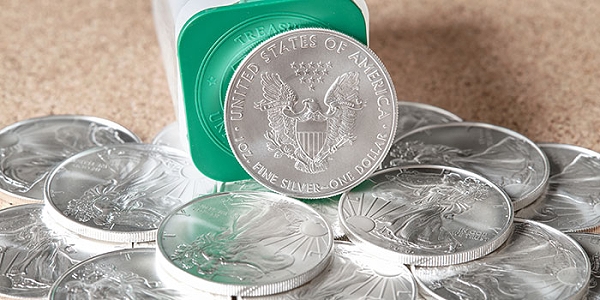
The Ghosts of 1980 and 2011
History casts a long shadow over today’s market.
Major silver rallies in 1980 and 2011 pushed prices close to $50 per ounce. Both peaks preceded multi-year declines.
Moreover, other extreme rallies in the past ended with price drops ranging from 40% to 70%. In comparison, the recent 37% silver decline occurred quickly and fits historical patterns. However, prior cycles often required several months, or even years, before a lasting bottom formed.
One notable exception occurred in 2006. Silver fell 35% in one month. That decline marked the fastest and smallest drop following an extreme rally. Yet it happened in the middle of a broader bull market.
Therefore, the broader message remains clear: excessive optimism rarely unwinds in just a few weeks.
Why Optimism May Take Time to Fade
Heraeus stresses that the fundamental case for owning gold and silver has not changed since January.
However, investor psychology has.
Silver remains more volatile than gold. That volatility amplifies both gains and losses. As a result, analysts believe markets will likely require lower prices and more time to fully remove the optimism that propelled metals sharply higher into early 2026.
In short, quick corrections do not necessarily reset overheated markets.
Geopolitical Shock: Iran Conflict Drives Near-Term Moves
Geopolitical risk quickly turned into reality.
The United States and Israel launched missile strikes on Iran over the weekend. Iran retaliated and targeted Israel as well as several Gulf countries.

Markets reacted as expected.
Oil prices jumped sharply. Equities sold off, with most major stock markets down between 1% and 2%. At the same time, safe-haven demand lifted gold and the U.S. dollar. Other precious metals followed gold higher.
Notably, the United States had been building military presence in the region for some time. Therefore, some geopolitical risk may have already been priced into gold. In fact, gold had already rebounded more than 10% in February after the sharp late-January drop.
Tariff Turmoil Adds Economic Uncertainty
Beyond geopolitics, trade policy has added another layer of instability.
The U.S. Supreme Court ruled that President Trump lacked authority to enact most of his trade tariffs. However, tariffs under Section 232, including those on auto imports, remain in place.
In response, the president imposed a blanket 10% tariff using different legislation. These tariffs will remain active for 150 days unless Congress extends them.
Consequently, trade agreements now face renewed uncertainty. Import costs for U.S. businesses have shifted again. Moreover, the administration could introduce alternative measures once the 150-day window expires.
Uncertainty often supports gold. Yet prolonged policy shifts can also rattle broader financial markets.
Mining Outlook: Newmont Production to Dip in 2026
Production trends also matter.
Heraeus expects Newmont’s gold output to decline by 0.6 million ounces, reaching 5.3 million ounces in 2026 due to planned mine sequencing.
However, growth should return in 2027. The company targets 6.0 million ounces longer term.
Several developments support that outlook:
- Ramp-up of Ahafo North in Ghana
- Completion of the stripping campaign at Boddington
- Completion of Tanami Expansion 2 in 2027
Therefore, while near-term production dips, longer-term supply growth remains on track.
Where Prices Stand Now
Gold prices pulled back from early session highs above $5,400 per ounce.
Spot gold last traded at $5,294.29, up 0.30% on the session.
Silver also retreated after spiking above $96 per ounce during Asian and European trading hours. However, silver declined more sharply than gold, reflecting its higher volatility profile.
ETF Investors Still Favor Silver
Despite price swings, ETF flows tell an important story.
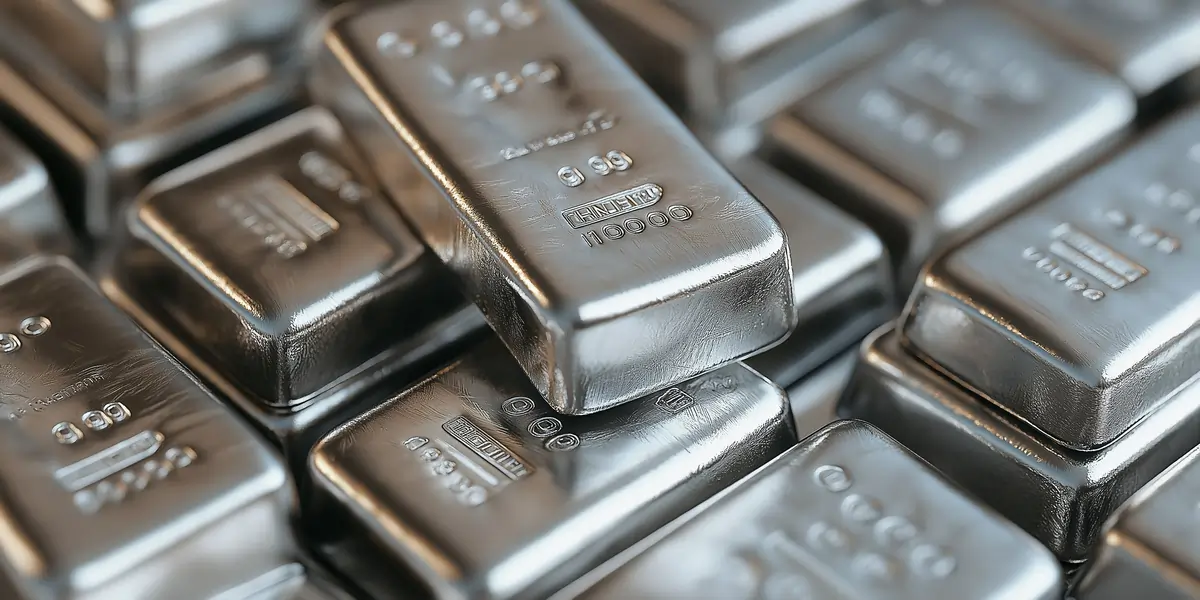
Global silver ETF holdings increased by more than 18 million ounces last week. The price recovery encouraged investors to boost exposure.
Still, total holdings stand at 834 million ounces, down from 864 million ounces at the start of the year and 870 million ounces in late December.
Therefore, enthusiasm exists, but it has not fully recovered to prior highs.
China Eases Silver Trading Margins
Volatility in China has also cooled.
The Shanghai Gold Exchange reduced silver margin requirements to 24% from 27%. It also lowered daily price movement limits to 23%.
Gold margins fell by three percentage points as well, bringing requirements to 18% and price limits to 17%.
Lower margins can improve liquidity. However, requirements remain elevated. Additional reductions may prove necessary to stimulate higher trading activity.
The CoinWeek Takeaway
Gold and silver delivered one of the most dramatic rallies in recent memory. Yet history urges caution.
Past cycles show that extreme optimism rarely fades overnight. While geopolitical risk and tariff turmoil continue to support safe-haven demand, deeper corrections often follow vertical price spikes.
Silver’s volatility magnifies both opportunity and risk. Meanwhile, gold’s near-term direction hinges on how geopolitical tensions and trade policy evolve.
In the end, markets remember history, even when traders do not.
For investors, patience may matter more than momentum.







Do you think silver will test $50 again when the geopolitical situation calms down again?
It seems we’ve settled around the mid 80’s. Whats the general consensus on the price by end of year? I’ve seen where a couple banks project Gold at $6,000. Do they expect roughly the same gains for Silver?