


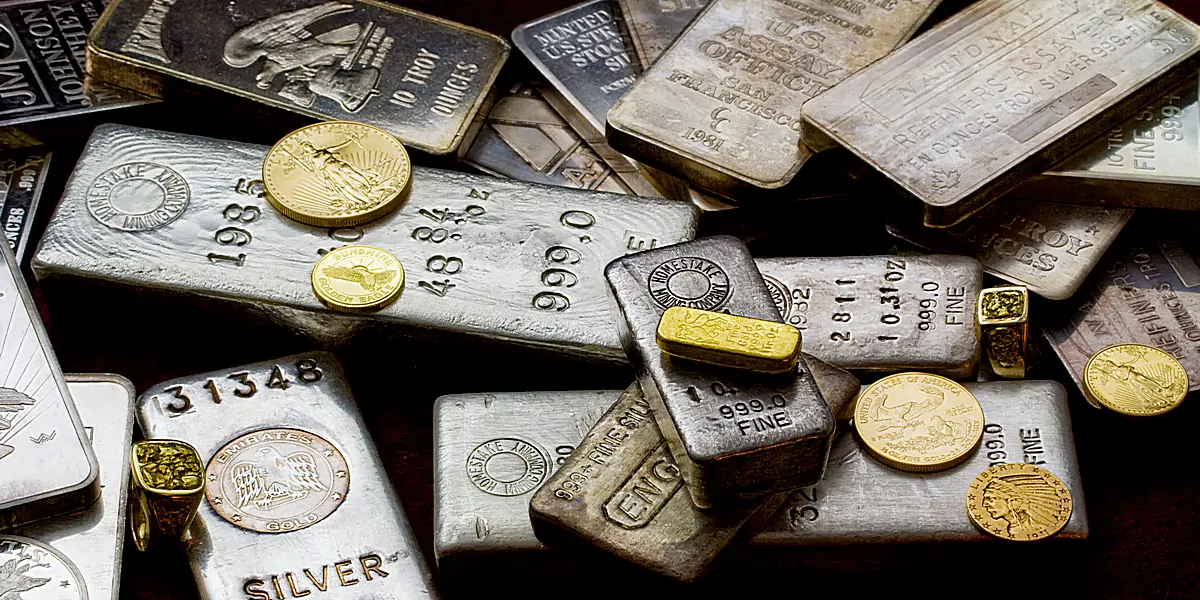
Gold and silver prices have delivered one of the most volatile trading periods in decades. Many active dealers and collectors did not experience the late 1970s and early 1980s. However, today’s market echoes that historic surge.
Once volatility subsides, today’s elevated bullion levels will carry lasting implications for the coin market.
Lessons from 1980: A Volatility Shock That Reshaped the Market
In January 1980, silver briefly touched $50 per ounce. That surge did not last.
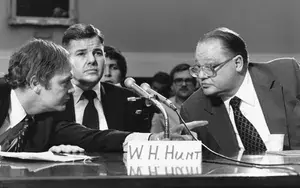
The Hunt brothers attempted to corner the silver market. Federal regulators intervened. Exchange officials changed trading rules. As a result, prices collapsed.
By March 1980, silver had fallen to about $27. Many dealers believed silver had found a new trading range near $25. That optimism proved wrong. Prices dropped below $13 by May.
The decline did not stop there.
By the summer of 1982, silver fell below $6 per ounce. For the next 20 years, silver traded around that depressed level. During that period, prices reached lows near $3.50.
Traders searched for a “new normal” in 1980. They expected $27 or even $13. Instead, the market delivered $5 to $6.
That lesson still matters.
Gold – Silver Ratio and the 2026 Surge
Over the past five to six years, silver traded mostly between $20 and $30 per ounce. Meanwhile, gold surged.
At one point, the gold-to-silver ratio exceeded 100 to 1. Central banks and investors poured money into gold as protection against sovereign deficits.
Gold peaked at over $5,500 in January. It has since settled around $5,000.
Silver also exploded higher in January. Prices briefly approached $120 per ounce. However, that rally faded quickly. Silver fell back to roughly $75 per ounce, where it has traded for several weeks.
Now the key question emerges: Is this price range the new normal for silver?
Bullion Prices and Their Impact on Numismatics
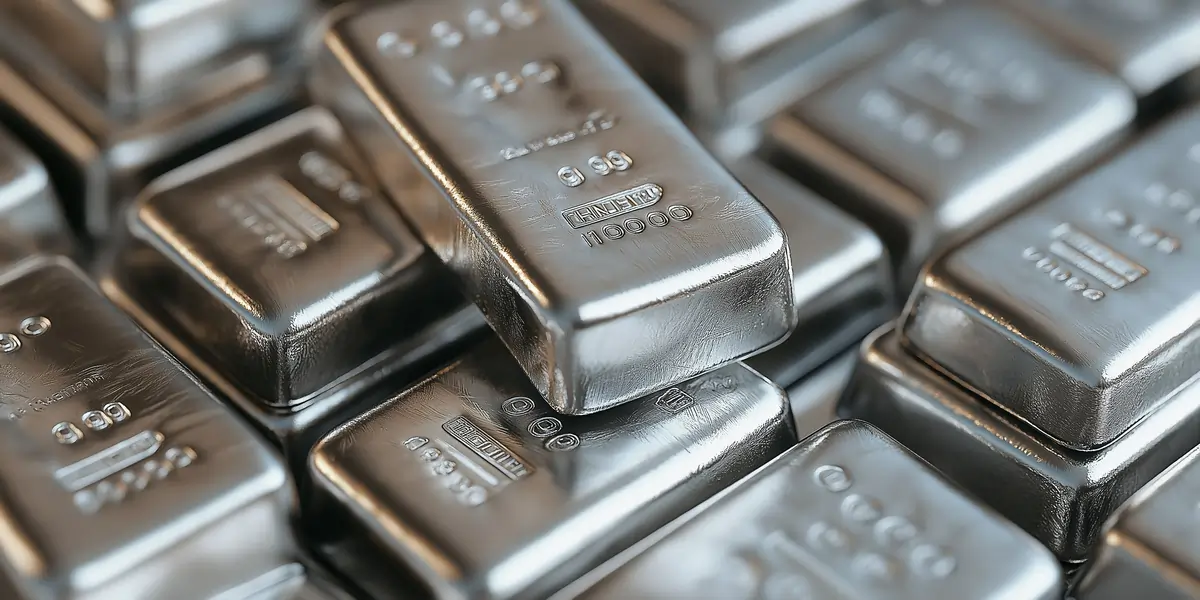
Bullion prices directly affect the numismatic market. When metals rise, interest increases. Dealers often reinvest bullion profits into rare coins.
Recently, the United States Mint raised prices on its silver numismatic products to unprecedented levels.
At the same time, many bullion-related numismatic items traded at steep discounts to melt value.
For example:
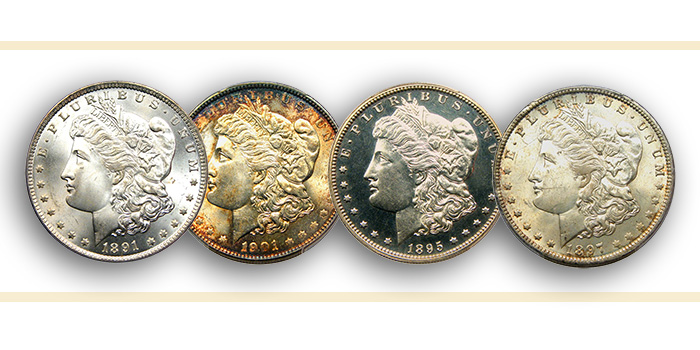
- Common-date Morgan Silver Dollar coins traded $5 to $10 below melt.
- Pre-1964 U.S. silver coins sold well under intrinsic value.
- Sterling silver carried some of the steepest discounts and, at times, became nearly unsaleable.
- Even scarce-date Mint State Morgan Dollars have barely moved, despite silver nearly doubling in price.
 Refinery backlogs contributed to these discounts. However, if silver stabilizes, markets will adjust. Competition among major bullion houses will increase. Discounts should narrow. Consequently, many coin prices may appear undervalued.
If silver rises, expect prices to likely rise across numerous series.
Speculation, Industrial Demand, and Market Psychology
Short-term volatility will likely continue. Global uncertainty fuels aggressive trading.
Many silver advocates cite industrial demand. Manufacturers use silver in solar panels, AI data centers, and electric vehicles. These applications support long-term consumption.
However, speculation currently drives much of the short-term movement.
When silver briefly surpassed $100, buyers flooded the market. Our office received constant calls from investors eager to buy at any price. Just three weeks later, the phones fell silent.
That pattern feels familiar.
History may not repeat itself. Nevertheless, 1980 offers a clear warning. Investors often chase momentum during rapid rallies. Social media and nonstop news amplify that behavior.
Therefore, discipline matters.
Investment Strategy: Avoid the Peak
Investors now face a central question: Is silver truly worth $75 per ounce?
No one knows the answer with certainty.
However, investors can control their strategy. Cost averaging reduces the risk of buying at market peaks. This method lacks excitement. Still, it promotes better long-term results and fewer sleepless nights.
The metal’s long-term strength could benefit the coin market. Yet the path forward will likely include sharp swings.
Smart collectors and investors will remember that.
Continue the Conversation
Want more market insight? Subscribe to the free NGC Weekly Market Report for additional analysis and updates.






Very informative article on silver prices. I never would have thought that silver would hit $120 an oz. Strange times we live in.
Great article, just starting out so these articles help!
I always regretted not dumping low-grade silver when prices peaked in 1980. Seems like history is giving me a “do-over.”
Silver tripled in price during 1979 from about $5 to $15. Then it tripled again in about 6 weeks in early-1980 from $16 to $49/$50 during the Hunt Fiasco. That’s almost a 10-fold increase in price in under 15 months.
Silver probably would have based in the teens had other changes not occurred. However, the appointment of Paul Volcker in late-1979 to lead the Fed signalled a dramatic turnaround from the easy-money policies of his predecessors. Once it became clear that the Volcker Fed meant business, the decade-long bull market in both silver and gold was over with the early-1980 peaks.
Great article very informative article on silver prices.
If you believe the market will search for a base level like in 1980, what support and resistant levels seem reasonable to consider
Silver has to be long term investment. Short sellers create volatility that confuses the reality of the value.