


By CoinWeek …..
Collectors often feel overwhelmed when they first enter the hobby. There is a lot of information about coin values. However, many beginners miss the core principles that drive prices.
So, let’s simplify it. Six key factors determine a coin’s value. Once you understand them, you can make smarter buying and selling decisions.
Rarity: The Foundation of Value
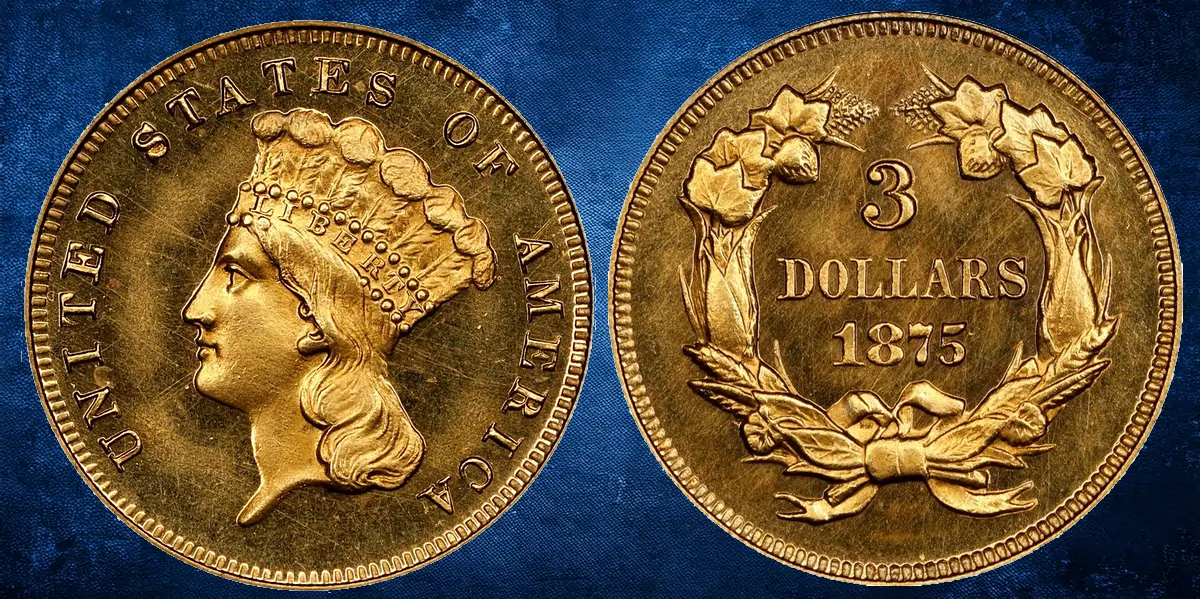
First, rarity plays a major role in coin value. Coins with low mintages or short production runs often command higher prices. Likewise, coins with unique characteristics attract strong interest.
Over time, attrition also reduces supply. Many coins that once seemed common now rank as rare.
For example, the 1927-D Saint-Gaudens Double Eagle had a mintage of 180,000 pieces. However, only about 14 to 15 coins survived the government gold melt of the late 1930s. As a result, every known example carries significant value, no matter the grade.
However, do not rely on rarity alone. Modern mints and private issuers often create limited-edition coins. Yet, if collectors do not want them, low mintage means little. In fact, the hobby calls these “manufactured rarities.”
Condition: The State of Preservation
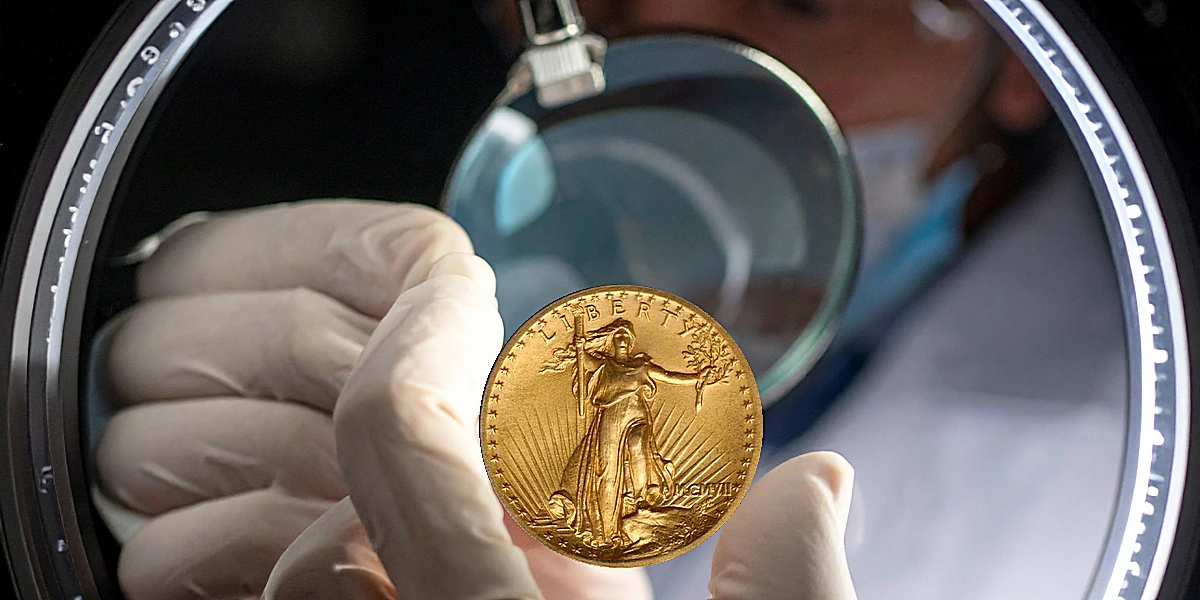
Next, condition has a direct impact on value. Coins in better condition sell for more money.
Mint State (MS) and About Uncirculated (AU) coins usually outperform worn or damaged pieces. Therefore, accurate grading becomes essential.
Collectors often study grading guides to estimate condition. Still, the market relies on third-party certification for accuracy. Three major grading services dominate the industry:
- Certified Acceptance Corporation (CAC)
- Numismatic Guaranty Company (NGC)
- Professional Coin Grading Service (PCGS)
Each service uses the Sheldon Scale, which ranges from 1 to 70. A grade of 70 represents a perfect coin.
Vintage coins rarely reach top grades. In contrast, modern coins, such as American Silver Eagles, Proof issues, and commemoratives, often grade 69 or 70. Even so, other factors still influence their final value.
Historical Significance: A Story That Sells

Coins tell stories. Because of that, historical significance adds strong appeal.
- Coins tied to major events often attract more collectors.
- Coins from the California Gold RushCivil War-era issues like the 1864 Two-Cent Piece are always popular
A notable example includes the Pacific Company $5 gold coin, which sold for $1.26 million.
Collectors value history. Therefore, coins connected to important moments often outperform those from ordinary years. In addition, historical events can influence both rarity and condition over time.
Collector Demand: The Driving Force
 Demand moves the market. Even common coins can rise in value when collectors actively pursue them.
Popular series include:
- Morgan & Peace Silver Dollars
- Lincoln Cents
- Buffalo Nickels
- Standing Liberty Quarters
- Bust Half Dollars
These coins may not be the rarest. However, strong demand keeps prices high.
Importantly, demand changes over time. For example, the early 1980s saw a surge in classic commemorative coin prices. At that time, collectors valued their rarity, condition, and history.
However, interest faded. Eventually, even coins with mintages of 2,000 to 3,000 pieces seemed common. Fewer collectors wanted them, so prices declined.
Material Composition: Intrinsic Value Matters
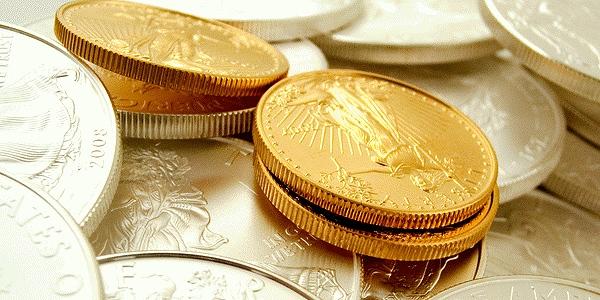
A coin’s metal content also affects value. This factor matters most for gold and silver coins.
Even common coins can carry value based on bullion prices. As gold and silver prices rise or fall, coin values follow.
Additionally, composition influences other factors:
- Survivability: Gold coins often melted, reducing supply
- Desirability: Collectors prefer precious metals
- Preservation: Gold and silver are soft; copper reacts and tarnishes
Therefore, composition plays both a direct and indirect role in pricing.
Emotion: The “It Factor”
Finally, emotion plays a surprising role in coin value.
Collectors often compete aggressively for exceptional coins. In some cases, passion overrides price guides.

A famous example involves legendary collector John Jay Pittman. At auction, he used the “Statue of Liberty” strategy to win a Proof 1854 Gold coin. He kept his hand raised and locked eyes with competitors. His determination signaled that he would not lose.
As a result, he secured the coin.
Similarly, coins with exceptional eye appeal, such as beautifully toned Morgan Dollars, can sell for multiples of standard prices.
However, emotion can lead to mistakes. Therefore, collectors should consult professionals before making major purchases.
How These Factors Work Together
No single factor determines a coin’s value. Instead, all six interact:
- Rarity
- Condition
- Historical significance
- Collector demand
- Material composition
- Emotion
Together, they form the foundation of the rare coin market.
As you gain experience, you will begin to weigh these factors naturally. In time, you will make more confident and informed decisions.
Final Thoughts
Understanding coin value takes time. However, mastering these six factors gives you a strong advantage.
So, study the market. Ask questions. Most importantly, stay disciplined when buying and selling.
Join the Conversation
What factors do you consider when determining a coin’s value? Share your thoughts in the comments below.
* * *






I have collected a variety of wheat Pennie’s but the best one is a 1943 steel wheat penny with the letter I missing in the word Liberty. Every dealer I went to says it’s worth nothing. Then I see all of the articles saying mint error coins are worth so much why isn’t this one ?
Please note that this guide is for modern coins and not ancient coins.
Oh, absolutely
Thank you for the information!
Thank you for this valuable information.
Always good information in these articles.
Good review of collectability value.
Wonder if they’ll find a way to figure which coins have the least available compared to Mint #s as people Melt Silver and Gold coins?
Interesting!
Nice article.
Nice article. Thank you.
Nice information. Thank you
That was very helpful thank you!!!
A coins value is what someone is willing to spend to have it……
So far my “collecting” has been focused on the amount of silver and gold. This introductory article is a good start for wanting to add valuable coins to my stack.