


A New Era for Gold Begins.
Gold is no longer just about price. Instead, it is becoming something more important.
In today’s fractured global economy, gold is gaining strength as a store of value. However, that strength does not always translate into steady price gains.
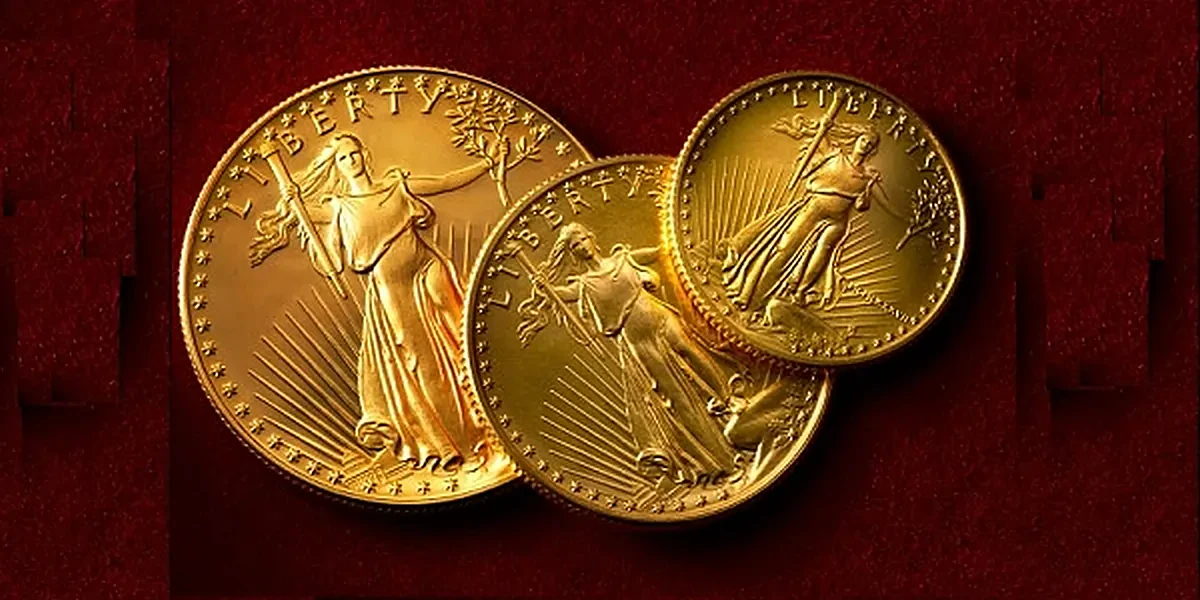
According to Nina-Alessa Michel, policy advisor at the Swiss Bankers Association, gold is entering a new phase. This phase reflects geopolitical tension, rising debt, and shifting global power.
As a result, investors are turning to gold, but not always with predictable outcomes.
Volatility Challenges the Safe-Haven Narrative
Traditionally, investors view gold as a safe haven. Yet recent market behavior tells a more complicated story.
Gold prices have reacted sharply to global events. For example, the metal dropped 14% in just three days after Donald Trump nominated a new Federal Reserve Chair. At the same time, silver and Bitcoin also came under pressure.
This kind of movement highlights a key truth. Gold does not always provide stability in the short term.
Instead, it reacts quickly to:
- Monetary policy expectations
- Political decisions
- Market sentiment shifts
Therefore, gold remains sensitive, even during times of stress.
Global Uncertainty Drives Demand
Despite volatility, demand for gold continues to grow.
Geopolitical tensions, economic uncertainty, and rising government debt all push investors toward safer assets. As global markets fragment, capital seeks protection.
Michel emphasizes that geopolitical developments act as a powerful catalyst. Investors increasingly move into safe havens when conflicts rise or power balances shift.
Consequently, gold demand strengthens during periods of instability, even if prices swing.
Switzerland’s Strategic Role in the Gold Market
Switzerland sits at the center of global gold flows. Its refining industry and trading networks connect major markets.
Because of this, the country reacts quickly to changes in demand.
For instance, in the first half of 2025, Switzerland exported:
- 476+ tonnes of gold
- Total value of CHF 39 billion
- Primary destination: the United States
This surge reflected rising U.S. demand driven by inflation fears, uncertainty, and concerns over government debt.
Interestingly, demand now extends beyond traditional buyers.
Stablecoin issuer Tether purchased around 70 tonnes of gold in 2025, exceeding purchases by many central banks.
That shift signals a broader transformation in how gold supports financial systems.
Policy Signals Move Markets Fast
Gold prices often react to policy headlines, even rumors.
For example, prices rose when markets feared U.S. tariffs on gold. However, prices quickly fell once officials clarified that no tariffs were planned.
This pattern shows how sensitive gold remains to political signals.
In today’s environment, perception can move markets as much as reality.
Gold’s Explosive Start to 2026
Gold entered 2026 with extraordinary momentum.
At the start of the year, prices hovered near $4,330 per ounce. Then, within weeks, gold surged dramatically.
By mid-January, prices hit record levels almost daily. On January 28, gold reached an all-time high near $5,600 per ounce.
Notably, the metal broke through the critical $5,000 level with ease.
However, that rally did not last.
Correction and Renewed Volatility
After the peak, gold reversed sharply.

Profit-taking and speculation around U.S. monetary policy triggered a correction. Prices fell back below $5,000 and entered a volatile phase.
Then, new geopolitical tensions added pressure.
Following the outbreak of the Iran War on February 28, gold prices declined again.
Most recently, gold dropped below $4,400, hitting an intraday low of $4,366.95 in early afternoon trading.
Clearly, volatility remains a defining feature of this market.
The Bigger Picture: Structural Forces at Work
While short-term moves dominate headlines, long-term trends matter more.
Michel argues that gold’s future depends on structural forces, not isolated events.
These include:
- Rising geopolitical instability
- Shifting global power dynamics
- Central bank diversification strategies
As countries reduce reliance on traditional currencies, gold becomes more attractive as a reserve asset.
At the same time, monetary policy still plays a role. However, its influence comes through risk perception and liquidity, not just interest rates.
A Strategic Asset, Not a Simple Hedge
Gold’s role is evolving.
It is no longer just a hedge against inflation or crisis. Instead, it serves as a strategic anchor in portfolios, central bank reserves, and global trade.
Still, Michel offers a clear warning.
Gold alone does not guarantee stability.
Instead, true stability comes from diversification and forward-looking risk management. Investors must consider geopolitical and regulatory risks alongside traditional factors.
The CoinWeek Takeaway
Gold is telling a deeper story.
Yes, it reacts to uncertainty. However, it also reflects a world in transition, one defined by fragmentation, policy shifts, and financial innovation.
Prices will rise. Then they will fall. That cycle will continue.
But beneath the volatility, gold’s importance is growing.
Not because it always performs, but because it endures.







I think it’s gonna hike up a good bit in value till this war gets resolved! I’ve been wrong once before in my life though,lol!
Gold is best investment I ever made.