Certified Acceptance Corporation (CAC)–approved and CAC Grading (CACG)–encapsulated coins achieved strong results at public auctions in January 2026. Across multiple firms and series, CAC-approved examples consistently outperformed comparable non-CAC-certified coins of the same date and grade. The following verified results illustrate that pattern using publicly reported sales from January 2026 and recent comparison points.
This report draws only on confirmed auction data. Where comparisons are made, they reference specific, documented transactions. No assumptions are made beyond what the results demonstrate.
David Lawrence Rare Coins: January 4 Sales
David Lawrence Rare Coins (DLRC) recorded several notable CAC-approved results on January 4, 2026.
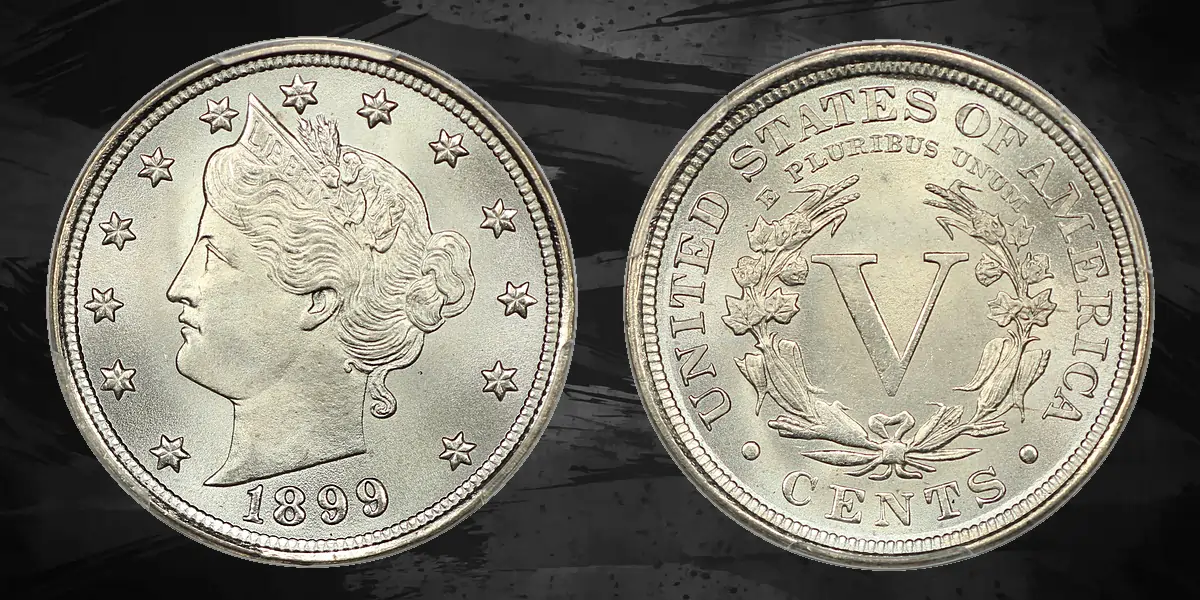
A CAC-approved 1899 Liberty Head nickel, graded MS67, sold for $6,250. By comparison, GreatCollections sold a PCGS-certified MS67 example without a CAC sticker on April 13, 2025, for $3,249.40. Published market values for the issue did not rise between April 2025 and January 2026, making the premium attributable to certification rather than market movement.
That same day, DLRC sold a CAC-approved 1807 Draped Bust dime, graded VF25, for $3,500. Stack’s Bowers sold a PCGS VF30 example without CAC approval on September 24 for $2,280, while GreatCollections sold a PCGS XF40 example on September 14 for $2,970. Despite the higher numeric grades of the non-CAC coins, the CAC-approved VF25 realized the strongest price.
DLRC also sold a CAC-approved 1912-D Barber half dollar, graded AU55, for $805. Comparable non-CAC-certified examples sold for significantly less: Stack’s Bowers realized $432 for a PCGS AU55 on September 3; GreatCollections sold an NGC MS61 for $671 on January 18; and Heritage sold a PCGS AU58 for $732 on January 26. In this case, the CAC-approved AU55 exceeded prices for non-CAC coins graded both lower and higher.
GreatCollections: CACG Coins Lead the Field
GreatCollections reported several January results that further illustrate CACG performance.
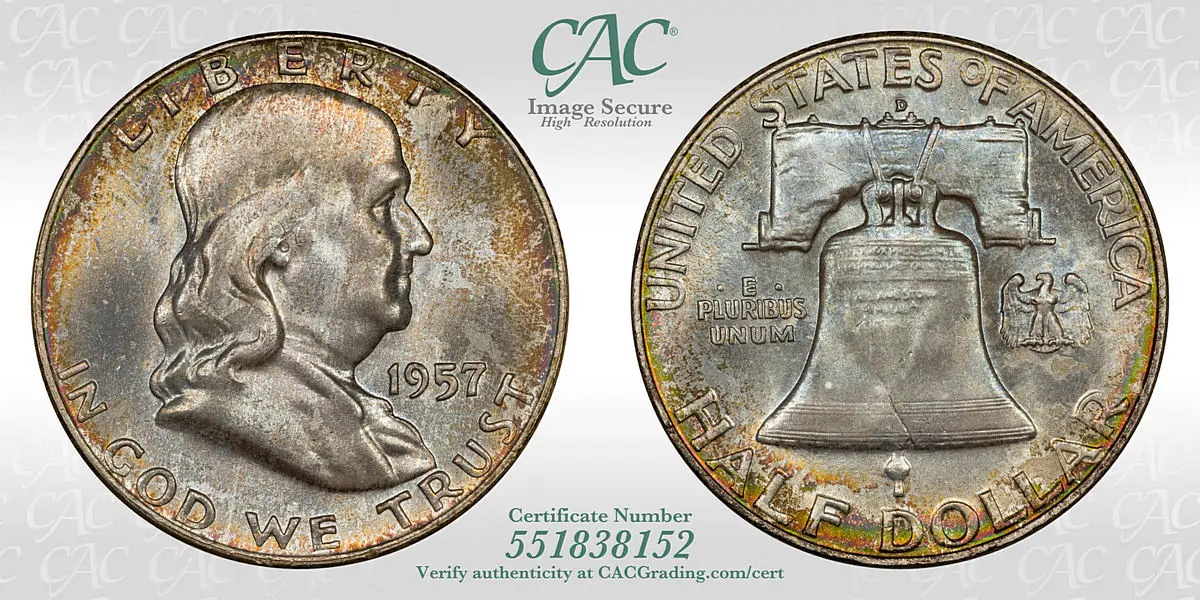
On January 4, a CACG-certified 1957-D Franklin half dollar, graded MS67+ with Full Bell Lines, realized $8,118. On November 2, GreatCollections sold an NGC MS67+ Full Bell Lines example without a CAC sticker for $1,933.80. Both coins carried the same strike designation, yet the CACG-certified coin brought more than four times the price.
Also on January 4, GreatCollections sold a CACG-certified 1920 Standing Liberty quarter, graded AU58, for $380.60. Two days later, Heritage sold a PCGS AU58 example without CAC approval for $144.
GreatCollections additionally sold a CACG-certified 1937 Texas Centennial commemorative half dollar, graded MS67+, for $2,227.50. No public sales of CAC-approved examples occurred in November or December. However, recent non-CAC comparisons include a PCGS MS67+ sold by GreatCollections on October 19 for $815.10, a Heritage sale on August 18 for $1,260, and a Stack’s Bowers sale on April 16 for $900. The January CACG result exceeded all recent non-CAC realizations.
Stack’s Bowers Galleries: Verified CAC Premiums
Stack’s Bowers reported multiple CAC-approved results in January.
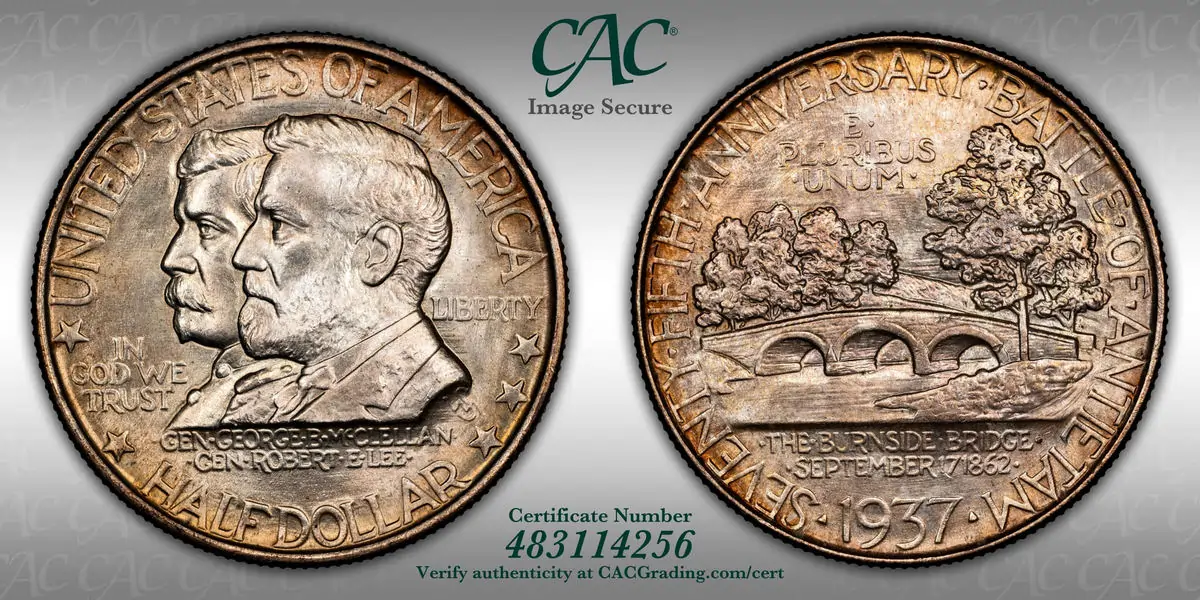
On January 8, the firm sold a CACG-approved 1937 Antietam Anniversary half dollar, graded MS66, for $780. On January 30, Heritage sold a PCGS MS66 example for $574. PCGS Auction Prices for January 2026 record another MS66 example at $660.
On January 14, Stack’s Bowers sold a CAC-approved 1945-D Walking Liberty half dollar, graded MS67, for $1,020. Comparable non-CAC-certified examples sold the same month for less: Heritage realized $793 for a PCGS MS67 on January 19; GreatCollections sold PCGS MS67 examples on January 11 and January 4 for $506 and $493.90, respectively.
That same day, Stack’s Bowers sold a CAC-approved 1889 gold dollar, graded MS67, for $3,120. Heritage sold an NGC MS67 example without CAC approval on January 17 for $2,257, while Stack’s Bowers sold a PCGS MS67 without CAC approval on December 23 for $2,520.
Heritage Auctions: Side-by-Side Comparisons
Heritage Auctions provided some of the clearest same-auction contrasts in January 2026.
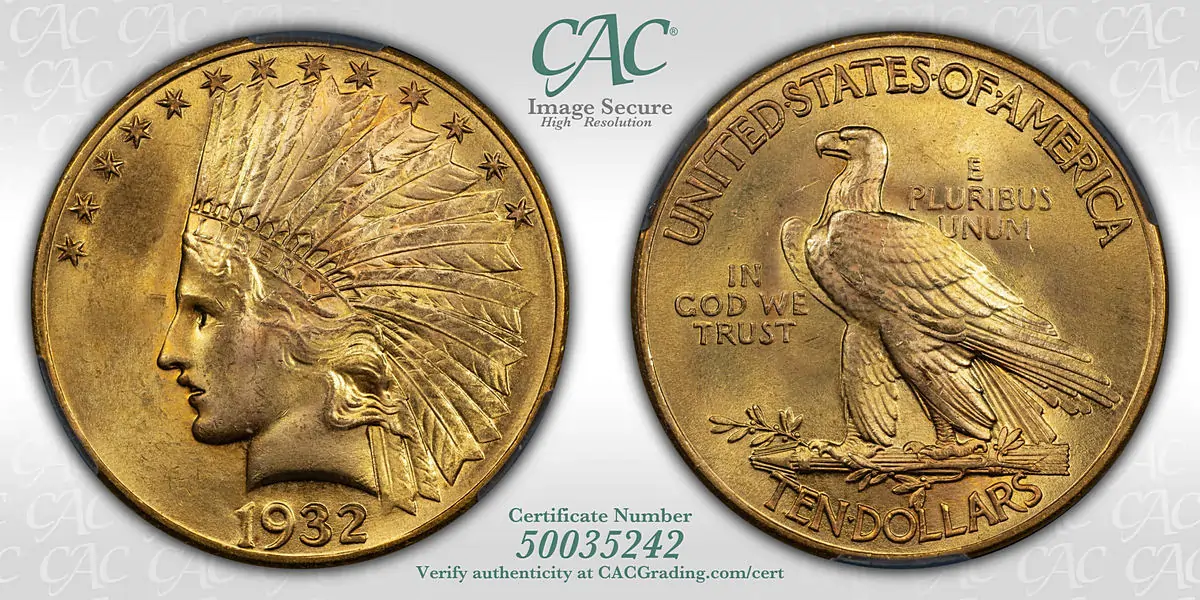
On January 16, Heritage auctioned four 1932 $10 Indian Head gold eagles in successive lots. A CACG-certified MS65 realized $6,710. Two NGC MS65 examples without CAC approval realized $3,172 and $3,360, while a PCGS MS65+ realized $4,270. The CACG-certified coin brought more than either individual non-CAC example and exceeded the combined total of the two NGC coins.
On January 17, Heritage auctioned multiple 1909-S VDB Lincoln cents. A CACG-certified AU58 Brown realized $2,806. The next lot, a PCGS AU58 without CAC approval, realized $2,074. Two PCGS MS62 examples followed, realizing $2,074 and $2,135, respectively.
Consistent Patterns, Documented Results
CoinWeek has reported for years that CAC-approved and CACG-encapsulated coins often realize higher prices than comparable non-CAC-certified examples. January 2026 provided additional, clearly documented evidence of that trend across denominations, metals, and series.
These results do not suggest that every CAC-approved coin will outperform every non-CAC coin. However, the January data confirm that, in multiple verified instances, the market paid substantial premiums for CAC verification when direct comparisons were available.