


Western silver vaults just sent a strong signal to the global bullion market.
Recent data show sharp withdrawals from U.S. exchange inventories. At the same time, Asian benchmarks continue to trade at steep premiums. Together, these developments indicate a structural shift in how the silver market operates.
COMEX Registered Silver Drops Below 100 Million Ounces
Official depository statistics from the Commodity Exchange, Inc. (COMEX) dated February 11, 2026, confirm a major drawdown in silver stocks.
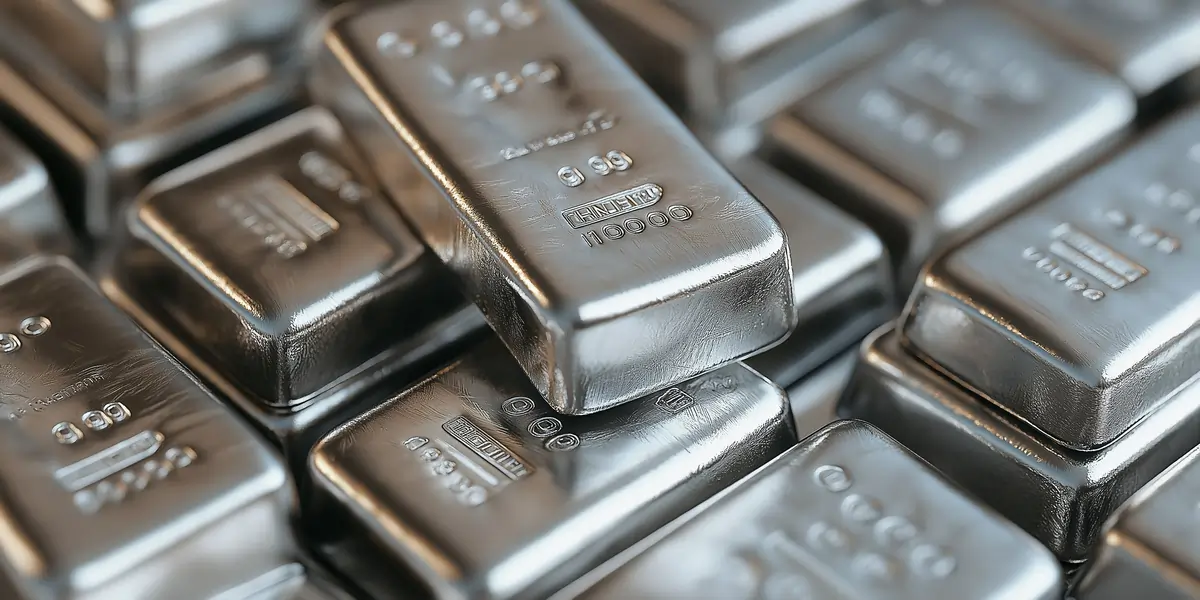
The exchange reported a single-day negative adjustment of 3,256,882 ounces in the Registered category. As a result, total registered silver fell to 98,138,005 ounces. That level is below the closely watched 100 million-ounce threshold.
In addition, vaults reported withdrawals of more than 4.7 million ounces from the Eligible category during the same 24-hour period. Therefore, the system recorded a net withdrawal of 4.7 million ounces in one day.
Registered silver represents metal available for delivery against futures contracts. Eligible silver meets exchange specifications but remains outside the deliverable supply unless owners designate it for that purpose. Consequently, sustained withdrawals in both categories tighten available liquidity.
Physical Market Pressure Intensifies
David Morgan, publisher of The Morgan Report, views these movements as a sign of mounting strain within the global silver system.
According to Morgan, the physical market now exerts greater influence over price discovery than paper-based derivatives markets.
He argues that when large volumes leave Western vaults in short periods, the underlying structure of the market faces localized pressure. In his view, the flow of physical metal matters more than short-term futures positioning.
Shanghai Premium Signals Divergence
The divergence becomes clear when comparing regional benchmarks.
The Shanghai silver benchmark currently fixes at roughly $10 above Western spot prices. Under normal conditions, arbitrage should compress that spread. Traders would typically move metal to higher-priced markets until the gap closes.
However, the premium has persisted.
Morgan points to capital controls and shipping logistics as key obstacles. Those frictions limit the ability to move metal freely between jurisdictions. As a result, the price spread remains intact.
In short, demand in China continues to support higher local pricing despite lower Western spot levels.

Exchange Structure Differences Matter
The structure of major exchanges also plays a role.
COMEX primarily operates as a derivatives marketplace. Most participants trade contracts rather than take delivery of physical metal. In contrast, the Shanghai market includes a stronger base of industrial users who require silver for manufacturing.
Therefore, a larger share of inventory in Shanghai ultimately moves into production or investment channels. That dynamic places consistent pressure on available supply.
Morgan believes this structural difference explains why physical tightness appears more pronounced in Eastern markets.
CME Margin Changes Add Pressure
Another factor now influences the futures market.
CME Group recently shifted margin requirements to a percentage of notional contract value. As silver prices rise, required margin automatically increases.
That structure raises costs for leveraged traders. Consequently, speculative participants face higher capital demands during rallies.
Morgan argues that this process naturally limits excessive leverage. Over time, it may push the system toward more cash-backed participation rather than highly leveraged speculation.
In his assessment, higher margins reduce systemic risk but also curb rapid price acceleration.
Eastern Demand Remains Strong
Demand from Asia continues to drain Western inventories.
Recent reports show that India added 40 million ounces of silver to exchange-traded funds over a two-month period. That inflow represents a significant increase in investment demand.
At the same time, the Shanghai Futures Exchange plans to implement stricter hedging quotas beginning March 1. Participants must demonstrate physical business ties to justify their positions. This move reinforces the exchange’s connection to real-world supply and demand.
Together, these developments underscore sustained Eastern appetite for physical silver.
Bull Market Timing and Platinum Comparison
Morgan believes the precious metals complex may be entering a late-stage cycle.
Historically, he notes, 90 percent of a bull market’s move occurs in the final 10 percent of its duration. Based on that pattern, he suggests gold and silver could reach an ultimate peak within the next year or two if current trends persist.
However, he also highlights platinum as a relative value opportunity.
Platinum currently trades at a 25-year low relative to the cost of silver. From a historical perspective, that ratio stands out. Investors seeking diversification within the precious metals space may view platinum as undervalued compared to silver.
Focus on Physical Holdings
Despite ongoing volatility, Morgan emphasizes the role of physical bullion as financial insurance.

He advises investors to avoid excessive exposure. Instead, he recommends measured allocations designed to protect against systemic instability.
In his view, physical metal serves as a stabilizing asset during periods of broader financial stress.
The Bottom Line
COMEX inventories have fallen below 100 million ounces in the Registered category. Eligible stocks also declined sharply in a single day. Meanwhile, Shanghai prices maintain a significant premium over Western spot markets.
At the same time, India’s ETF inflows and upcoming Shanghai hedging reforms reinforce strong Eastern demand. In addition, CME margin adjustments increase capital requirements for futures traders.
Taken together, these factors point to tightening physical supply and evolving market structure. For investors, the shift highlights one central theme: the balance between paper pricing and physical demand continues to change.
As 2026 unfolds, silver’s global flow of metal, not just futures positioning, may define the next phase of the market cycle.









It is time that western countries follow the east and use “physical gold and silver” as mainstrem and not paper money which is used by big business to manipulate system to make money. Silver and goldcoins go back more than 5000 years.
India and Asian countries are buying up physical gold and silver while the West plays with paper! Other countries are buying up the physical commodity and paying a premium over spot because they see the actual value. Just my thought.