


CoinWeek Bullion Report
For decades, the U.S. coin market followed a simple rule.
When silver prices rise, 90% “junk” silver usually trades at a premium to melt value. Demand from stackers and collectors keeps it there.
However, the market has flipped in early 2026.
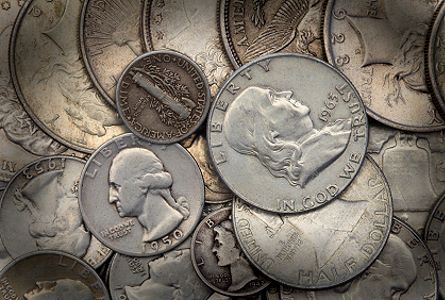
Today, many dealers report something rare. In some cases, 90% silver coins trade at or even below the spot price of silver.
This situation has confused many collectors. It has also created opportunities for buyers. Yet the reason behind it has little to do with silver’s intrinsic value.
Instead, the cause is far more practical.
The junk silver market now faces a liquidity crisis driven by a refinery bottleneck.
A Market Flooded With Silver
First, consider the surge in selling.
Silver prices recently reached record highs. As a result, many investors decided to cash out. They brought bags of old U.S. coinage to local coin shops across the country.
These coins include the familiar pieces struck before 1965: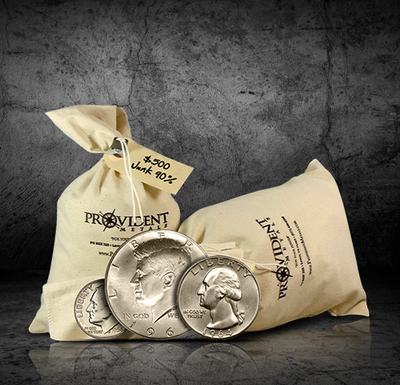
- Roosevelt dimes
- Washington quarters
- Franklin half dollars
- Walking Liberty half dollars
Each coin contains 90% silver, which is why the market calls them “constitutional silver” or “junk silver.”
Normally, dealers buy these coins quickly. Then they ship them to refiners or wholesalers.
But this time the flow overwhelmed the system.
Record selling created massive physical volume at the dealer level.
Refiners Hit Capacity
At the same time, the refining industry reached its limits.
Major silver refiners now report large backlogs. In response, many have halted or sharply limited purchases of 90% and 40% silver coins.
Instead, they prioritize .999 fine silver.
The reason is simple. Pure bullion processes faster and more efficiently. Refiners can melt and refine .999 silver bars with far less labor and sorting.
By contrast, 90% coinage requires additional handling.
Refiners must separate alloys, process mixed coins, and manage bulk shipments. This takes more time and capacity.
As a result, many facilities now operate at full capacity. Some refiners simply refuse new shipments of junk silver.
The Eight-Week Problem
 This situation creates a serious problem for coin dealers.
Normally, a dealer sells junk silver to a wholesaler or refinery soon after buying it. Payment follows quickly. The dealer then uses that capital to purchase more inventory.
However, today that process moves far more slowly.
Many refiners now quote payment delays of up to eight weeks.
Therefore, a dealer who buys junk silver must hold it for months before receiving payment.
That delay freezes cash flow.
In financial terms, this becomes a liquidity crisis.
Dealers Carry the Risk
Because of this backlog, local coin shops now shoulder more risk.
When a dealer buys 90% silver today, the transaction no longer ends quickly. Instead, the dealer holds a volatile metal position while waiting for payment.
During that waiting period, the silver price could fall.
Therefore, dealers protect themselves. They buy junk silver at a discount to spot price.
That discount helps offset several costs:
- Price volatility
- Storage and security
- Transportation to refiners
- Assaying and verification
- Financing the transaction during the delay
Without that margin, the risk becomes too large.
Spot Price vs. Physical Reality
 This situation highlights an important difference between paper silver prices and the physical market.
The spot price reflects futures markets and global trading activity. It can rise quickly during speculative moves.
However, the physical bullion market often moves more slowly.
When prices spike, investors frequently rush to sell. Supply floods the market. As a result, physical premiums drop.
In extreme situations, physical silver can even trade below spot.
That is exactly what the junk silver market experiences today.
What This Means for Buyers
For investors, this unusual market may create opportunity.
90% silver coins represent a finite and shrinking supply. The U.S. Mint stopped producing them after 1964. Every year, more coins disappear through melting.
If buyers find reputable dealers selling junk silver near or below melt value, many bullion investors view that as an attractive entry point.
The intrinsic silver content remains unchanged. Only the temporary market bottleneck affects pricing.
What Sellers Should Expect
On the other hand, sellers face a tougher market.
Many coin shops now pay significantly below spot for junk silver coins. Dealers simply cannot move the inventory quickly.
However, those same shops often pay closer to spot for .999 bullion products, including silver bars and American Silver Eagles.
Those products sell faster. They also move through refineries more easily.
Therefore, dealers prefer them.
A Temporary Bottleneck
In short, the current junk silver discount reflects logistics rather than value.
Record public selling flooded the market with old silver coins. At the same time, refiners reached processing capacity.
Dealers must now hold inventory longer and carry greater price risk.
As a result, they buy junk silver cautiously and often below spot.
Eventually, refinery capacity will catch up. When it does, the traditional relationship between junk silver and spot price may return.
Until then, the 90% silver market remains one of the most unusual corners of the bullion world in 2026.









Interesting article seems to me that the precious metal market is very oversaturated with deliberate manipulation. It seems to me no rhyme or reason. How the market works?And it’ll always end up on the customer holding up both ends of the deal.The only people I see that benefit from this are people who sell gold and silver and everybody else gets screwed.
Yes the market is oversaturated, but how but how do you deduce that it was deliberate manipulation.T he rhyme and reason was explained in the article. Do you expect to allways win in a very risky transaction?
I love my 90% silver, if I have to I will smelt it myself…
Hold, hold, hold. If you can… The future is uncertain, but the government is screwing with the bank note value so much that it really has not much of a value anymore… Just my two cents that the mint makes no more either!
Thanks for the article.
The article states that, every year, more coins disappear through melting. It was my understanding that melting U.S. coins was illegal. Please advise.