


Gold and Silver Prices Drop – A Sudden Shift in Momentum
Gold and silver markets turned sharply lower on Thursday. Prices fell hard in early U.S. trading and reached their lowest levels in six weeks.
April gold futures dropped $296.30 to $4,600.30. Meanwhile, May silver futures declined $8.29 to $69.26.
This sharp sell-off reflects a sudden change in investor sentiment. Only weeks ago, both metals traded near record highs. Now, traders are repositioning quickly as macroeconomic risks rise.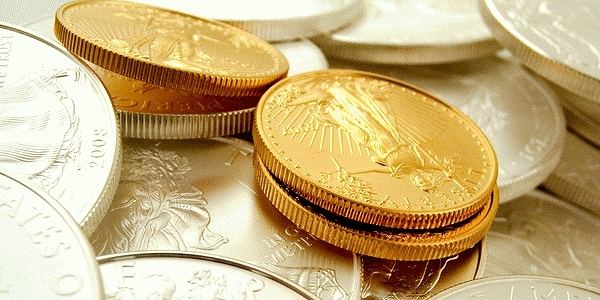
From Record Highs to Rapid Losses
The reversal has been dramatic.
Gold futures now sit more than $900 below their late-January record high. Silver has dropped over $50 from its peak during the same period.
At the same time, copper has lost momentum. After reaching an all-time high earlier this year, copper prices have fallen more than 9% this month.
Clearly, the broader metals complex faces mounting pressure.
War in the Middle East Drives Market Anxiety
Geopolitical tension now sits at the center of the sell-off.
The conflict between Iran and Israel has intensified. Both sides have targeted critical energy infrastructure. As a result, energy markets have surged, and investors have grown cautious.
Key developments include:
- Iran struck a major Saudi refinery and a liquefied natural gas facility in Qatar
- Israel targeted Iran’s South Pars gas field
- Global energy flows face disruption, especially in the Middle East
Consequently, crude oil prices have spiked. West Texas Intermediate crude reached $100 overnight. Brent crude climbed to $119 per barrel.
In addition, European natural gas futures surged as much as 35%. Prices now sit more than double pre-war levels.
This energy shock has created a ripple effect. Rising fuel costs threaten to push inflation higher again. That concern weighs heavily on precious metals.
Inflation Fears Strengthen the U.S. Dollar
At the same time, inflation concerns continue to build.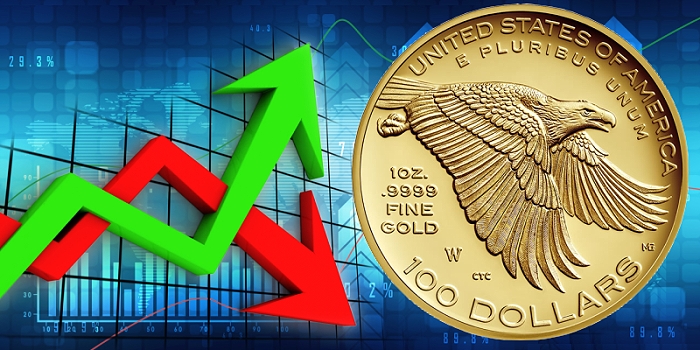
Higher energy prices could slow progress on inflation reduction. As a result, traders now expect central banks to maintain tighter monetary policies.
That expectation supports the U.S. dollar. A stronger dollar typically pressures gold and silver because it makes them more expensive for global buyers.
Moreover, tighter monetary policy could reduce both consumer and industrial demand for metals. This adds another layer of downside pressure.
Federal Reserve Signals Patience
The Federal Reserve reinforced this cautious outlook on Wednesday.
The Federal Open Market Committee (FOMC) left interest rates unchanged, as markets expected. However, policymakers signaled a more restrained path forward.
The Fed now expects only one rate cut this year. Officials cited uncertainty tied to the Middle East conflict.
Federal Reserve Chair Jerome Powell emphasized a key point. Inflation must show clearer improvement before rate cuts resume.
Additionally, the Fed raised its 2026 inflation outlook to 2.7% annually.
Powell also addressed internal developments. He stated he will remain on the Board of Governors until a Department of Justice investigation concludes.
Global Market Reactions Intensify Pressure
Markets across the globe have responded quickly.
Stocks have declined as investors worry that rising energy costs will fuel inflation. Meanwhile, Asia has increased purchases of U.S. oil. This marks the highest level in three years as Middle East supply routes face disruption.
In currency markets, Brazil has taken a more cautious approach. Its central bank cut the Selic rate by a quarter point to 14.75%.
This smaller-than-expected cut has supported the Brazilian real. It has also helped stabilize local assets and short-term yields.
Key Outside Markets to Watch
Several external indicators continue to influence precious metals:
- The U.S. dollar index remains slightly higher
- Nymex crude oil trades near $97.25 per barrel
- The 10-year U.S. Treasury yield stands at 4.3%
Each of these factors contributes to the current bearish tone in metals.
Understanding Gold Market Structure
Investors should remember that gold trades through two main pricing systems.
The spot market reflects immediate purchase and delivery. Meanwhile, the futures market sets prices for delivery at a later date.
Currently, December gold futures remain the most actively traded contracts on the CME due to seasonal liquidity patterns.
Technical Outlook: Gold Faces Critical Levels
Gold’s technical picture has weakened.
Bulls now need a close above $5,000 to regain control. However, bears aim to push prices below strong support at $4,423.20, the February low.
Key levels to watch:
- Resistance: $4,750, then $4,800
- Support: $4,650, then $4,600
Wyckoff’s Market Rating stands at 5.0, signaling a neutral-to-weaker trend.
Technical Outlook: Silver Under Pressure
Silver shows similar weakness.
Bulls must push prices above $90 to shift momentum. On the downside, bears target a break below $64.66.
Important levels include:
- Resistance: $72.50, then $75.00
- Support: $70.00, then $67.50
The Bigger Picture: A Market at a Crossroads
This moment feels like a turning point.
Just weeks ago, gold and silver surged on optimism and strong demand. Now, war, energy shocks, and inflation fears dominate the narrative.
If energy prices continue to rise, inflation could stay elevated. That scenario would likely delay rate cuts and strengthen the dollar further.
However, geopolitical uncertainty can also revive safe-haven demand.
For now, traders remain cautious. Markets are searching for direction in a world where economic policy and global conflict collide.









It is fortunate for those coin collectors collecting silver coins at this time. I’m hoping silver doesn’t stabilize until mid-year so I can afford some more desired coins made of silver.
Good to see lower gold