


By Jeff Garrett for Numismatic Guaranty Company (NGC) ……
For decades, inflation in the United States has been a key consideration for anyone considering investing in precious metals. The spike in inflation in the 1970s (peaking at about 13%), precipitated by the oil embargo, sparked the first rush into precious metals as a hedge. Silver and gold rose sharply in the late 1970s and early ’80s.
When the recession of 1982 hit, metal prices plunged. In the middle of all of that, the Hunt brothers created turbulence when they unsuccessfully tried to corner the silver market. It was a wild time of roller coaster prices for gold and silver. The fear of inflation, however, was the spark that started it all.
The recession of the mid-1980s tamed it. For the next 25 to 30 years, inflation remained steady in the U.S., hovering in the 1.5-3.5% range. For some reason, 2% inflation is considered desirable by economists and remains the target for the Federal Reserve currently.
As we all know, inflation spiked again in 2021 and 2022. Despite proclamations by the Fed and others that early signs of rising inflation in 2021 were “transitory,” prices for nearly everything jumped sharply. The massive sums infused into the economy by the government due to COVID-19 created far too many dollars chasing too few goods. Supply chain issues and rising income levels further fueled inflation. For 2021 and 2022, inflation was about 7% (or higher, depending on what chart or source you believe).
The results of rising inflation are in the news daily. Consumers are shocked by the costs of groceries, restaurant meals and especially the cost of housing. To fight inflation the Federal Reserve has raised interest rates at a historic pace. The stunning jump in interest has profound consequences for consumers and businesses alike, including collectors and dealers.
Many coin companies are dealing with much higher carrying costs for inventory. I know my company used to be able to borrow money for coin deals at rates that seem like “free money.” Now we carefully consider any deal that requires loans to secure. This has a chilling effect for many companies with big operations.
The cost of money has become a big factor. Several of the “mega deals” done in recent years within the industry were done with leveraged financing. The monthly interest payments for some of these deals are staggering and no doubt impact cash flows that could be used to grow the business instead.
Rising inflation and corresponding higher interest rates also impact the amount of money flowing into the hobby. The average budget-minded collector with limited funds is having to choose between necessary expenses that have increased in cost and buying coins. Quite a few of my mass-market friends have reported slower sales in the last few quarters.
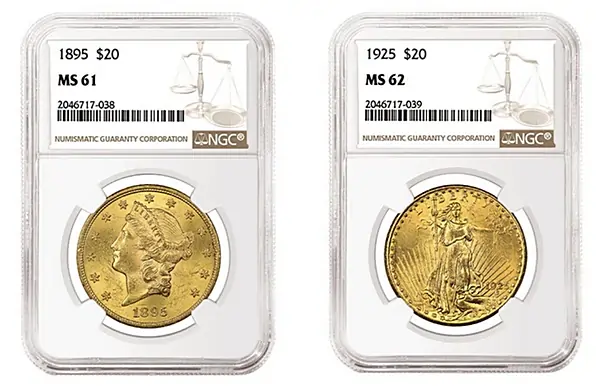
Price points are another major issue that has been a topic of concern in the hobby recently. With gold having jumped about $1,000 since 2017, the cost of any gold coin is rapidly slipping beyond the reach of most collectors. Double Eagles now melt for about $3,850, and the premium (due to slowing demand) has completely evaporated for all but the highest-grade examples. The collapse of premiums for most bullion-related items is one of the biggest stories in numismatics.
Another tangible impact for numismatics due to inflation and rising prices has been the cost of hiring employees. Operating any business in the United States, including coin companies large and small, has become much more expensive. We now pay employees about double what we were paying less than 10 years ago. Unfortunately, coin dealers have a harder time passing along increased operating costs to their customers. The coin market is competitive, and profit margins are slim for most companies.
Other than coins with high intrinsic values, the costs for most collector coins have remained stagnant or even slightly lower in the last two years. With the price of everything around us rising, classic coins have barely budged. You can still buy a Gem Proof Three-Cent Nickel for about $500. This can be explained by the issues mentioned above, the most important being the lack of discretionary spending by strapped consumers. There is also less money trying to find a home since fixed-income investments are now paying a respectable return.
One of the topics that sparked my idea for this article was the recent price increases announced by the United States Mint for current issues starting July 9, 2024. The Mint is not immune to the rising costs of production and higher gold and silver prices. Unlike most of the coin dealers in the United States, they can pass along higher input costs to collectors.
Despite the increase for modern Mint products, most classic U.S. numismatic pieces have remained steady and are becoming a bargain, when the value of the dollar and inflation are taken into account. You can now buy an MS64 Morgan Silver Dollar struck in the 1880s for less than the cost of a Morgan Dollar struck by the U.S. Mint this year! Vintage coins are a screaming bargain, in my opinion, when all of the above is factored in.
In the coming months and years, as inflation and interest rates return to long-term norms, the value of many U.S. coins should improve. Today’s prices will seem like a great buying opportunity in retrospect someday. As always, do your homework and educate yourself before buying any rare coins. No coins are a good long-term investment if you overpaid to start with.
* * *
* * *







I learned something today
I’m wondering if this atmosphere could let to another rash of melting lower quality silver dollars ansd half. What a shame that would be, particularly for beginners.
It sad to learn that the lesser quality gold coins are candidates now for melting.
Doesn’t help that Mint raised their prices markedly before inflation struck on the guise to being competitive to other mints around the world. Small clad medals were only $6.95 and larger ones $20.95. Now those same medals go for between $20 – $160 – again, this is before “transitory” inflation hit.
Yes inflation has increased pricings but I believe the Mint’s raising prices on their own before inflation hit only exacerbated today’s increases.
Also, good article. Thank you for writing.