


The US will celebrate its 250th anniversary with the release of five popular and historic coins, each struck in gold.
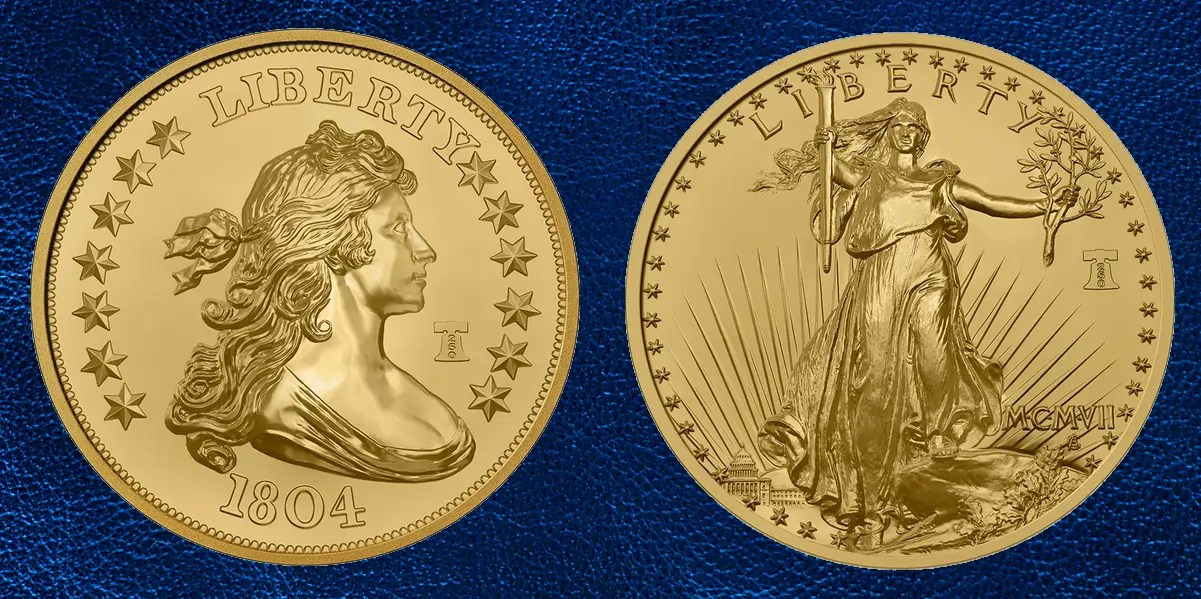
In anticipation of the nation’s 250th anniversary in 2026, the US Mint created a program honoring five historic coins. The coins were chosen by public poll and by consulting with curators of the Smithsonian’s National Numismatic Collection (NNC). The original coins in this national collection were studied and carefully photographed for the project.
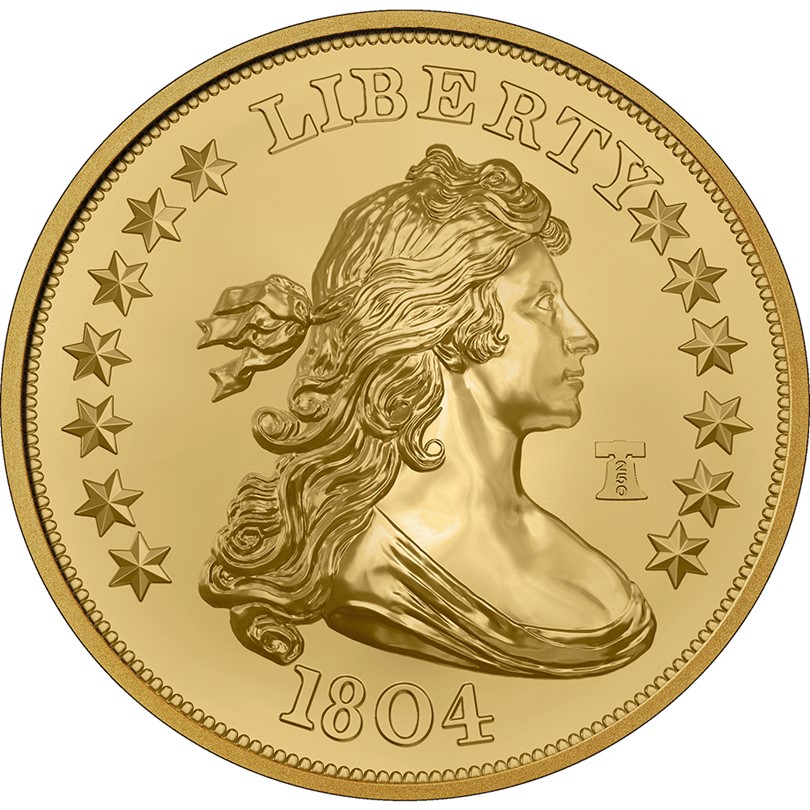
The coins that made the final list are among the most popular US coins of all time. They will be stuck in .9999 fine gold with a companion 1-ounce silver medal. Each coin will feature the “250” Liberty Bell privy mark.
The gold coins that will be featured in the 250th anniversary series are:
- 1916 Mercury Head Dime (1/10 ounce)
- 1916 Standing Liberty Quarter (1/4 ounce)
- 1916 Walking Liberty Half Dollar (1/2 ounce)
- 1804 Draped Bust Dollar (1 ounce)
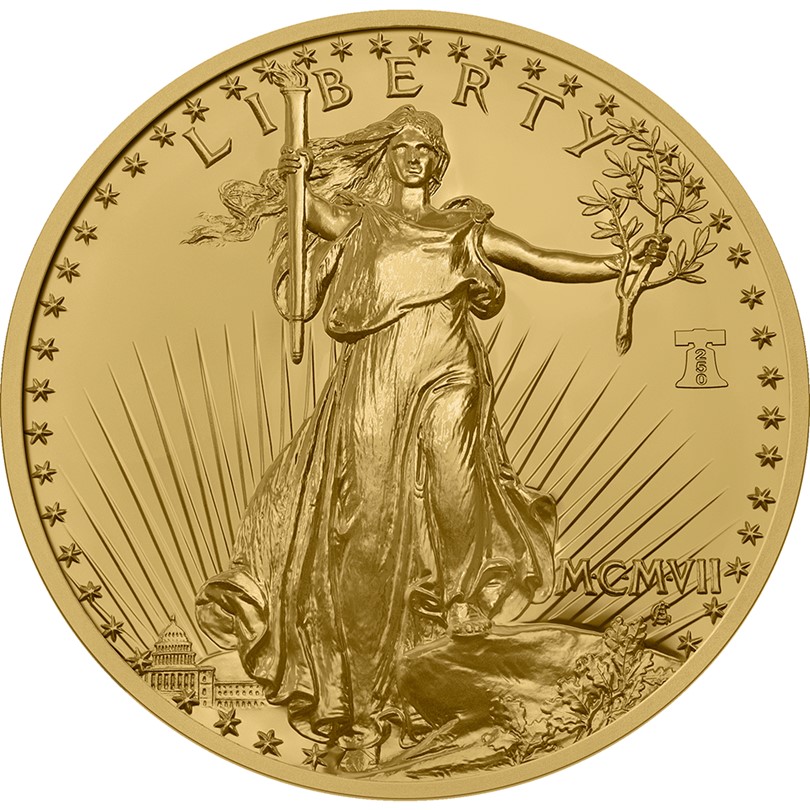
- 1907 Saint-Gaudens High Relief Double Eagle (1 ounce)
Although these coins were chosen through public input and approval of the Citizens Coinage Advisory Committee (CCAC), it’s somewhat disappointing that they will once again be issuing the 1916 coinage after striking nearly identical coins for the series’ 100th anniversary in 2016. The 1916 coinage designs are beautiful, but it seems too soon to once again strike these in gold.
Meanwhile, the 1804 Draped Bust Dollar and 1907 Saint-Gaudens High Relief Double Eagle restrike commemorative issues will be very exciting and well-received by collectors. These two issues are among the most legendary coins of all time. Both have been listed in my 100 Greatest United States Coins book since the 1st edition was published nearly 20 years ago. While the 1804 Draped Bust dollar held the number one position several times, the 1907 High Relief is considered by most to be the most beautiful US coin ever made.
The following is abbreviated text from the 100 Greatest United States Coins book for these iconic coins:
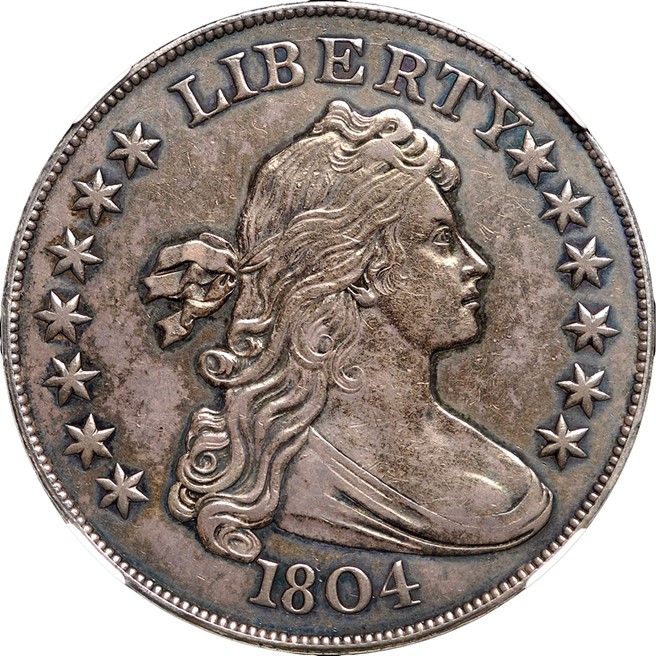
1804 Draped Bust Dollar
 |
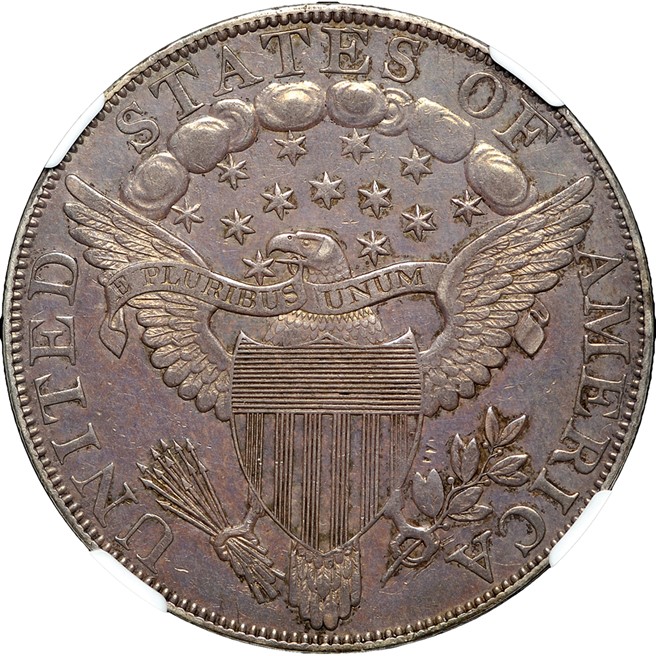 |
| 1804 Draped Bust Silver Dollar (Class I) Click images to enlarge. |
|
“For many years, the 1804 silver dollar was the most valuable U.S. coin. Examples sold for about $5,000 in the 1940s. Of course, regardless of its value, the 1804 silver dollar has often ranked No. 1 on the 100 Greatest list. This coin has received more press and publicity, and has had more written about it, than any other coin in the world. In fact, the 1804 silver dollar has been the subject of not one, but two books: Eric Newman and Kenneth Bressett’s The Fantastic 1804 Silver Dollar and Q. David Bowers’s The Rare Silver Dollars Dated 1804 and the Exciting Adventures of Edmund Roberts. The 1804 dollars have been on television, they’ve been the feature displays at major coin conventions, and they are always the featured coin of any auction in which they appear. More importantly, they appear at the top of just about every collector’s and dealer’s “dream list.”
The story of the 1804 silver dollar begins in 1834, during the administration of Andrew Jackson, when the State Department ordered special sets of coins for presentation to the king of Siam and the sultan of Muscat (modern-day Oman) as diplomatic gifts. The Mint interpreted this to mean one coin of each legal denomination. However, the silver dollar and gold eagle had not been made since 1804 (and the dollars reported in 1804 were actually dated 1803), so the Mint created new dies for each and struck a small number of coins for inclusion in the sets. Today, these are known as the “original” (or Class I) 1804 silver dollars. Only eight Class I 1804 silver dollars are currently traced.
Around 1858, a small number of 1804 silver dollars were struck using a different reverse die and lightweight planchets. One was struck over an 1857 Swiss shooting thaler (helping later researchers unravel the mystery of the 1804 silver dollars). This batch is known as the “first restrike” (or Class II) 1804 silver dollars. Because their edges were plain, they created an instant scandal when collectors first saw them, forcing their immediate recall and destruction. Only the overstrike on the 1857 Swiss coin has survived to represent the Class II variety; it now resides in the National Numismatic Collection at the Smithsonian Institution.
Having learned from their mistakes, the “minters” began using planchets of roughly the proper weight and adding the appropriate lettering to the edges of the coins. These coins met with more success, and today seven of these 1804 “second restrike” (or Class III) silver dollars are known.
All 1804 silver dollars share a common obverse die. Only the Smithsonian Institution possesses examples of all three classes. All are featured in the Smithsonian’s rare-coin exhibit, The Value of Money, at the Museum of American History.
The 1804 silver dollar is perhaps the ultimate trophy coin, combining rarity and legend. Most 1804 silver dollars are held by collectors for the long term, and the ones that are in institutional collections will likely remain so.”
 |
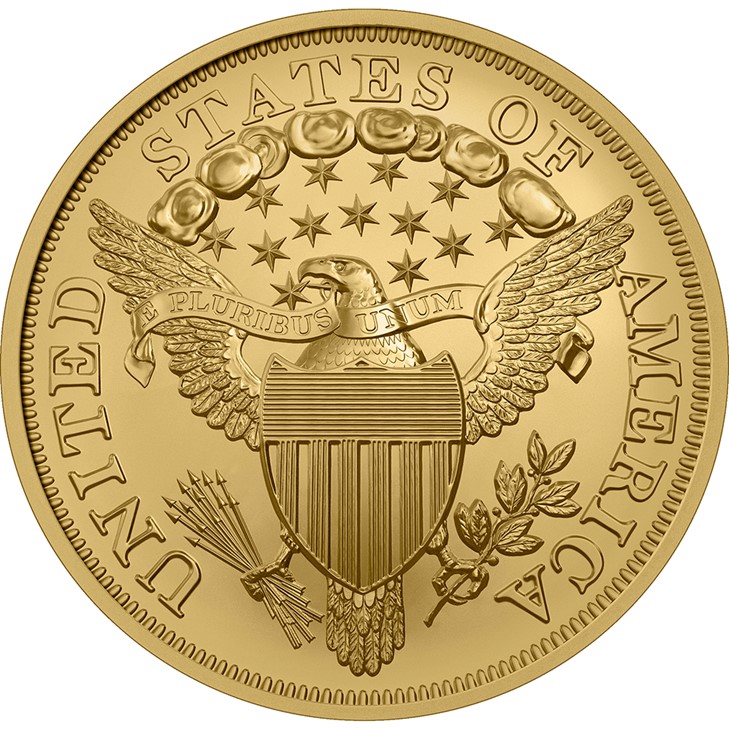 |
| (2026) 1804 Draped Bust Dollar from the US Mint Click images to enlarge. |
|
Incredibly, the above story of the 1804 Draped Bust silver dollar needed to be edited to reflect the recent discovery of an unknown example of this legendary rarity. The newly discovered coin had remained hidden for decades in the estate of James A. Stack, one of the greatest collectors of all time. The coin will cross the auction block in December of this year.
1907 High Relief Double Eagle
 |
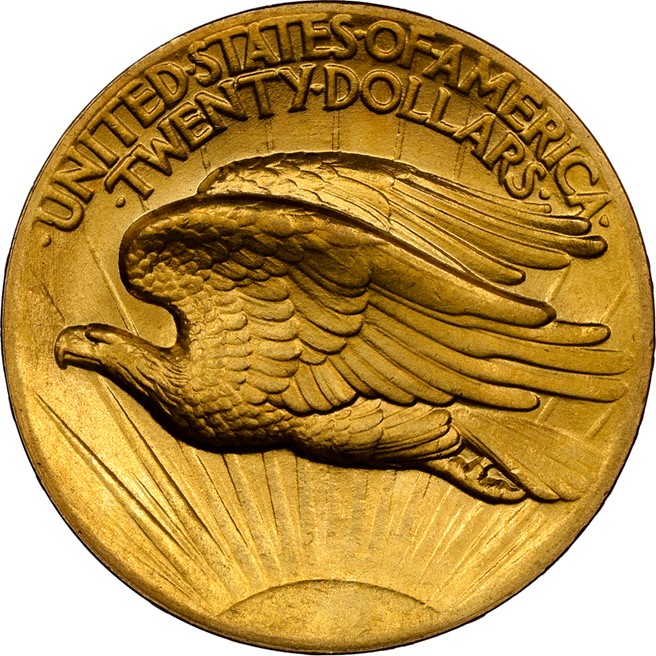 |
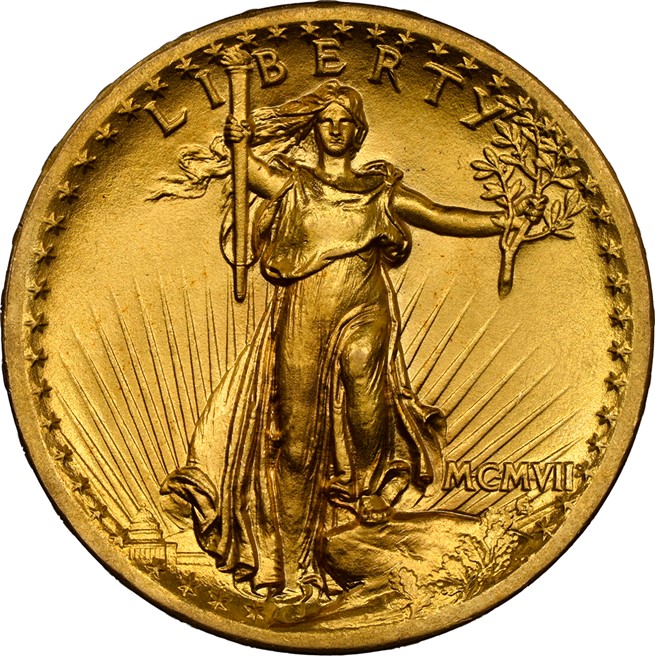
| 1907 High Relief Double Eagle Click images to enlarge. |
|
“The MCMVII (1907) High Relief double eagle is a masterpiece of the U.S. gold series. The coin has a distinct, sculpted appearance. Nearly all collectors consider it one of the most beautiful coins ever produced. This coin is the circulation version of the MCMVII (1907) Ultra High Relief. Theodore Roosevelt considered the existing coin designs at the time to be unattractive and without artistic merit, and personally requested that Augustus Saint-Gaudens (a prominent U.S. sculptor of the era) design new eagles and double eagles. After Saint-Gaudens’s death in 1907, Mint engraver Charles Barber was ordered to begin striking the High Relief double eagles. President Roosevelt even exclaimed, “Begin the new issue even if it takes you all day to strike one piece.”
Although the high-relief design was fabulous from an artistic standpoint, it was impractical for commercial uses. Bankers complained that the coins would not stack properly, and the high-relief design required at least three to five blows from the minting press. The Roman numerals were also too confusing for the U.S. public. Later in 1907, the relief was dramatically lowered and the Roman numerals replaced with Arabic numerals.
The 1907 High Relief double eagle is one of the most popular and desirable coins ever produced by the U.S. Mint. The High Relief is not extremely rare, but it has for decades been one of the most widely sought-after U.S. gold coins. The beauty of the sculptural design elevates the issue to the level of fine art. If most collectors could own only one coin, this would probably be the one.”
 |
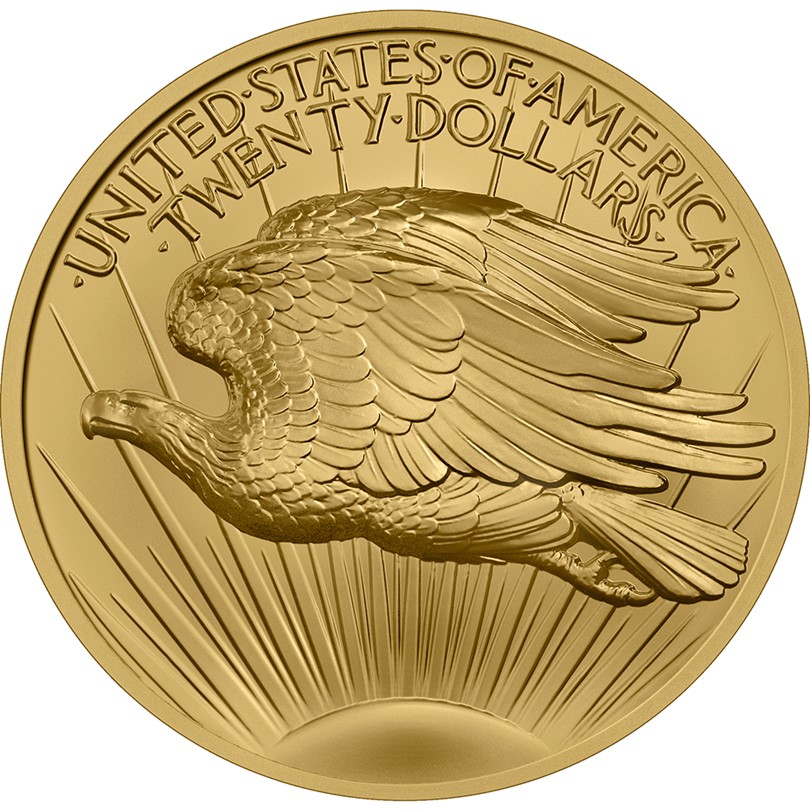 |
| (2026) 1907 High Relief Double Eagle from the US Mint Click images to enlarge. |
|
2026 will be an exciting time for the numismatic hobby. The 250th anniversary should bring a new focus on the nation’s history — and the coinage that reflects that history. The above two coins are legends of numismatics that only a few collectors can dream of owning in their original format. Mintage and pricing information has not yet been released, but if you can afford a one-ounce gold coin, these would be two to consider. It might be a great time to trade one of your boring US Gold Eagles or Krugerrands for one of these two beautiful pieces. If you can only own one coin, the 1907 High Relief is one to consider, even if it was made in 2026!







Awesome coins minted in gold. Does it get any better? Thanks.
Will not purchase the dime or quarter, already have them from the previous release.
Nice way to remember old coins.
Nice coins
I must have the St Gaudens
These coins are not only historic and beautiful, they are all works of art!
Nice
Cannot wait for the 2026 coins. The mint has only 4 coins on the site for 2026. You would think the catalog would be set by now.
Such iconic and historic US coinage!
So many beautiful options.
Those are really lovely. Want.
Gold coins are beautiful!
While I understand the sentiment about using the 1916 coins as models again, they are certainly beautiful coins and I look forward to seeing the latest iteration of them next year.
So beautiful.
I wonder why they would choose the same coins for this year when there are so many that are just as special….in my book anyways!!!!
Id love to own one
Looks really nice!
TY
Another great article from Jeff!
Striking the 1916 coins in gold for a second time is a huge mistake. I would have preferred a Stella, Quintuple Stella & High Relief $10 Indian.
Great article
Looking forward to the release of these five historic coins in 2026.
All that glitters is gold.
STELLAS!!!!! No Saints
I can hardly wait to get shut out w a CU 1804 I. 3 min amd 1/3rd to ABB…
That is quite a group-have to start saving for these beauties-what a laugh as if
WOW GOLD IS GOLDEN
I hope the price of gold doesn’t go up too much, so I can afford to buy these. Also, I agree that the 1916 dime and quarter should not be included, as they were just done in 2016.
WOW! At today’s gold prices, that’s almost $10,000 to purchase one of each.
This is a fantastic and insightful overview from one of the most respected voices in the field. Jeff Garrett’s perspective is invaluable for both new and seasoned collectors, helping to cut through the noise and focus on what truly holds historical and numismatic significance. His emphasis on classic designs like the Saint-Gaudens double eagle and the Walking Liberty half dollar underscores the timeless appeal of American coinage art.
My question is about modern mintages: In your view, which modern issue (say, from the last 25 years) has the strongest potential to be regarded by future generations with the same reverence as the classic coins highlighted in this article? Is it a specific American Silver Eagle reverse proof, a high-relief gold issue, or perhaps an underappreciated commemorative?
Would be a great addition to my collection
They are BEAUTIFUL
At age 73, the dime, quarter, and half-dollar coins are favorites from my youth. Their replacements were unimpressive to me. The Draped Bust Dollar and the High Relief Double Eagle are the stuff dreams are made of.
Wow what a great history lesson. I learned a lot!!!!
Thank you for the overview of these u[coming commemorative coins.
The anniversary will be a thing to see for sure.
The US Mint – where originality goes to die.
good selection
Very interesting