


By CoinWeek…
Gold coins offer opportunities for both precious metal investors and dedicated numismatists. For those fortunate enough to stockpile gold when it was priced in the $1,800 to $2,500 an ounce range, 2026 may present a good opportunity for some much-deserved profit-taking. However, if you are looking to minimize your exposure to a down market, you may find these perspectives interesting. This is One Man’s Opinion!
Buy: Tough Date Mintmarked Mid-19th Century U.S. Gold
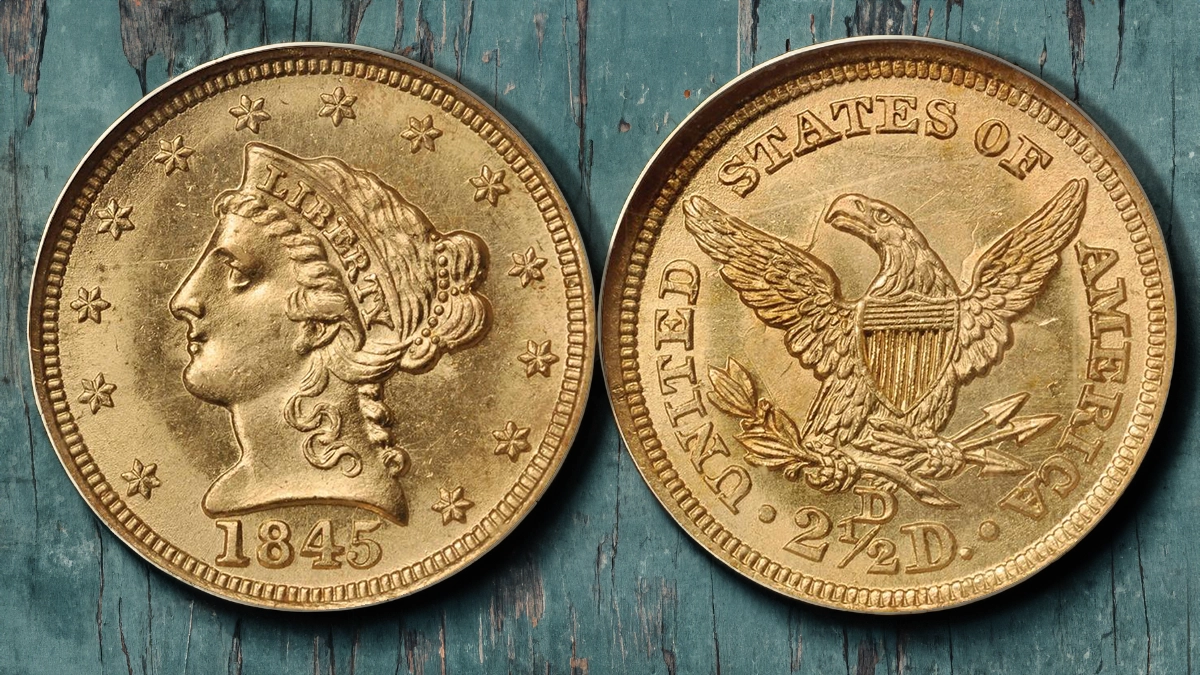
Mintmarked, mid-19th century U.S. gold coins in the Liberty Head Quarter Eagle ($2.50) and Half Eagle ($5) have untapped upside potential.
Why these coins? Coins from this era, particularly those struck at the branch mints (like C for Charlotte, D for Dahlonega, and O for New Orleans), often have low mintages and low survival rates, especially in higher circulated or any uncirculated grades. These mints operated near the source of gold, primarily in the antebellum South and early West, and their coins heavily circulated. Plus, most of the coins on the market before the arrival of the Fairmont Collection had been processed over the years and lacked their original “skin”. Acquiring attractive Mint State or lightly circulated pieces will prove challenging and you should work with a dealer who specializes in this area. The good news is, your coins will likely retain their numismatic value, even if gold falls off.
The Focus:
- Concentrate on tough dates from the 1840s and 1850s, particularly those from the Charlotte (C) and Dahlonega (D) Mints. For example: $2.50 Liberty Head Quarter Eagles: Look for low-mintage dates like the 1855-C or the extremely rare 1856-D.
- $5 Liberty Head Half Eagles: Tough mintmarked issues from the 1840s and 1850s at the branch mints are excellent targets.
Classic Pre-33 Proof Gold
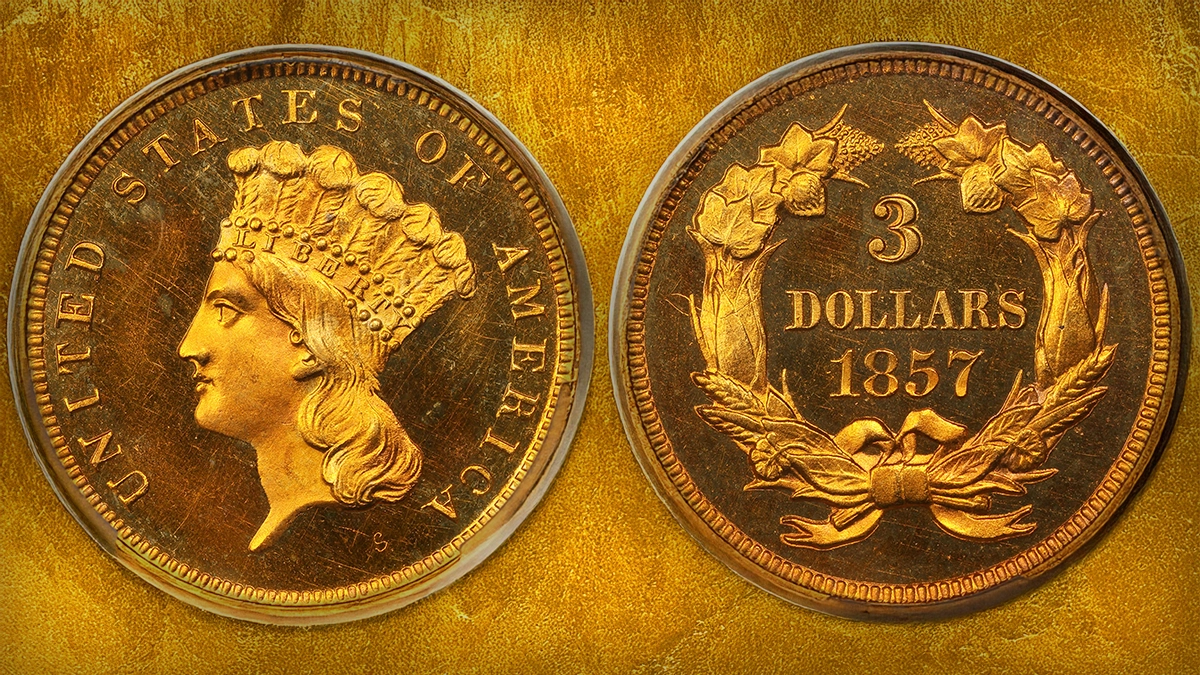
For the core, long-term portion of your collection or investment, the best advice is to hold your Pre-1933 U.S. Proof Gold coins.
Proof gold coins are struck using a specialized minting process—often involving multiple strikes on highly polished planchets and dies—to create a superior finish, typically featuring a mirror-like field (background) and a frosted or cameo design. Early 20th-Century Gold Proofs of the Saint-Gaudens and Pratt designs were notably struck with a satin or matte finish and are always highly sought after.
Proof mintages were historically minuscule, sometimes numbering only a few dozen coins per year, making them inherently rare.
This rarity can be a double-edged sword, however, as the market for Gold Proofs has faced manipulation in the past. For the impatient and uninitiated, speculating in this category is not without its risks. Furthermore, competition for the universally recognized best coins is often fierce.
Proof gold coins often show less volatility than pure bullion and have historically demonstrated steady, long-term premium appreciation independent of the spot price of gold. But they have been on a run as of late, and we think it might be a good time to hold.
Sell: Modern Bullion Coins
A strategic seller recognizes when to move high-liquidity, lower-premium assets into scarcer, higher-premium assets. Your selling strategy should focus on two main areas to fund your numismatic growth:
1. Sell All Modern Bullion Gold

Sell or trade all modern bullion gold coins—such as the American Gold Eagle, Canadian Gold Maple Leaf, and Gold Buffalo (unless a rare, low-mintage proof or commemorative variety)—and put the proceeds into numismatic scarce gold.
- The Rationale: Modern bullion coins are valued overwhelmingly by their gold content and are easily available. While they’re an excellent hedge against inflation, their numismatic premium is minimal and their potential for significant growth beyond the gold spot price is limited. If gold spot price seems too high for your risk tolerance, profit taking now might be a good idea.
- The Strategy: By selling high-liquidity bullion, you free up capital to purchase scarcer, low-mintage numismatic coins (like the mid-19th century issues suggested for “Buy”) that offer better protection against a potential drop in the gold price and greater potential for premium growth over time. The rising gold spot prices are eating into the numismatic premium of many classic U.S. gold coins, identifying the right classic coins to buy to hedge against a potential downturn in the market will require professional help. Our “Buy” coins are a good place to start, but speak with an expert before you buy anything… and stick to a plan!
2. Sell Common Saint-Gaudens Double Eagles Graded MS-64 or Below
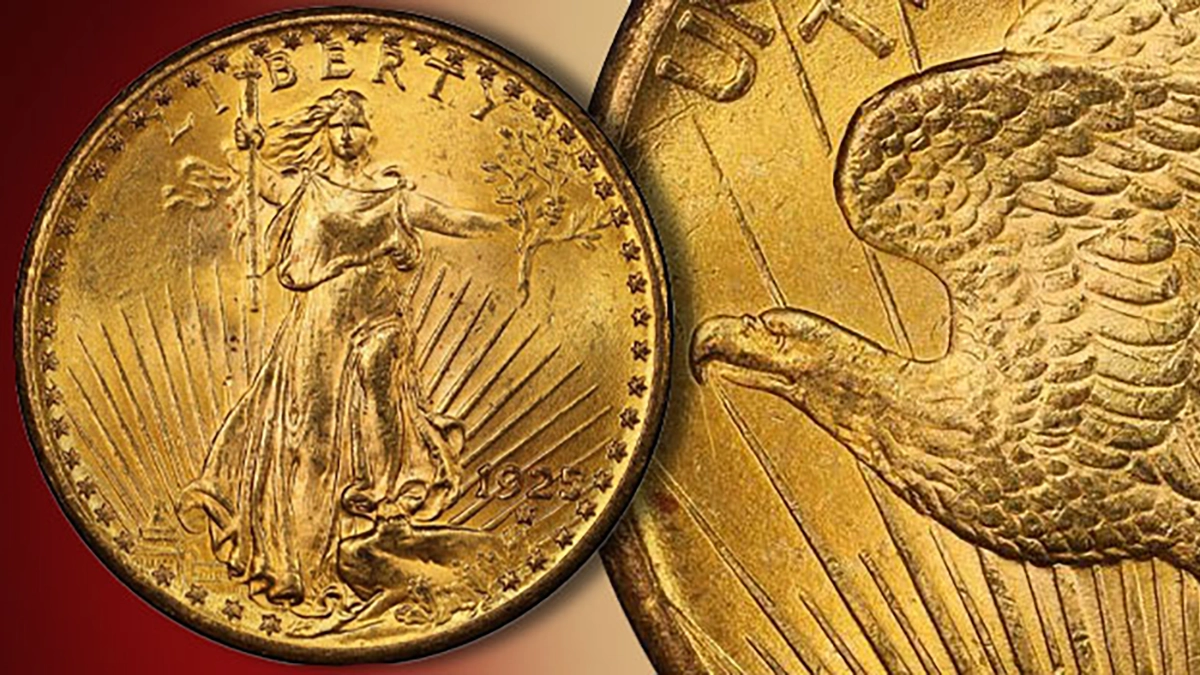
The iconic $20 Saint-Gaudens Double Eagle is an exception to the bullion rule, as it’s a pre-1933 U.S. coin. However, in grades of Mint State (MS) 64 and below, these coins trade with relatively small premiums over their intrinsic gold value. If you think gold is getting expensive, liquidating these generic gold coins may be a smart play.
- The Rationale: Saint-Gaudens Double Eagles were widely saved and have large populations in the lower Mint State grades (MS-60 through MS-64). Because of this large supply, their market value is closely tied to the gold spot price.
- The Strategy: Sell your Saint-Gaudens Double Eagles at the MS-64 grade and below. These coins are liquid and popular, making them easy to sell quickly at a fair market price. Consider reallocating the capital to scarcer, low-mintage Liberty Head or early date gold that offers a stronger numismatic premium.
* * *







A lot makes sense however what is recommended are quite expensive. I’m thinking of cashing scrap gold jewelry to fund a purchase. I did learn quite a lot from this article.
Wow. Informative. I’ve never heard of some of these before.
Selling Modern Bullion and putting the $$$ into “rare” numismatic coins ? No, that strategy likely won’t work.
If you are bullish on gold, then the best way to play that is pure bullion coins, including moderns. No numismatic premium, esp. on common coins where the numismatic premium is largely a function of condition rarity.
Buying numismatic premium coins that will avoid dissipation of the premium if gold continues to rise will not only require good selection, it will require paying a big premium that might expand in a down market but will also likely fade in a rising market — and said coin will require MORE $$$ than the sale of a single bullion coin.
An MCMVII HR Saint in AU-55 condition might be gotten for the price of 3 bullion coins and if gold goes down 25% from here, the High Relief should do much better than pure bullion. It will also NOT have the premium eroded too quickly if prices rise — up to a point, of course.
The strategy involving MS-64 and below Saints seems counter to the advice in the column above it. You’re recommending selling the Saints that trade mostly like bullion at $4,000 gold and going again into numismatic premium coins. Again, good for a FALLING environment but will not have as much upside leverage when gold rises as the premium gets eaten into. And depending on the premium you have to pay, it won’t be a 1-for-1 exchange with the gold coin one is selling; you’ll have to ante up more for the premium.
I’m not saying these strategies should be totally disregarded. But there’s no Free Lunch where you can have the SAME upside as your existing gold bullion and also have protection on the downside if gold falls.
This is exactly the kind of analysis that benefits everyone in the hobby/market/industry, collector, investor, and stacker alike.
This is a great information which could encourage investors and stackers to consider numismatics.
How can you not like gold coins? This was a great article. Thank you
I bought my Charlotte ,Dahlonega and New Orleans Coins when Gold was 1500 an ounce and lower, but still paid quite a bit for them. Glad I have them now.
The gold coins are beautiful. The strategy about why to sell coins, is extremely interesting and helpful!
Found a 1795 flowing hair busted lady silver coin. How can I find out if this coin is authentic?
Very nice website
Very interesting
Love all the gold coins.
Struck gold