



Precious Metals Reporting Requirements in 2026
Rumors move fast in the metals market.
In recent months, investors have circulated claims that the federal reporting threshold for precious metals dropped from $10,000 to $3,000. We have even heard claims that reduce this amount to $600. These claims sound alarming. However, they are not accurate.
The standard federal reporting threshold for cash transactions involving precious metals remains $10,000. It has not changed.
So where did the confusion come from? And what actually triggers IRS reporting?
Let’s break it down.
The Backstory: Why Precious Metals Reporting Exists
Congress established these reporting rules in the 1980s. Lawmakers wanted to combat money laundering and tax evasion. As a result, the IRS and the Treasury Department created structured reporting systems.
Dealers must report certain transactions. However, those requirements depend on how you pay or what you sell, not simply on the dollar amount alone.
Therefore, understanding the difference between Form 8300 and Form 1099-B matters.
Form 8300: The $10,000 Cash Rule
When investors hear about “reporting thresholds,” they usually refer to Form 8300.
What Triggers Form 8300?
Precious metals dealers must file Form 8300 when they receive:
- More than $10,000 in cash
- In a single transaction
- Or in related transactions within a 24-hour period
Importantly, this rule applies only to cash transactions.
What Counts as “Cash”?
For reporting purposes, “cash” includes:
- U.S. or foreign currency
- Cashier’s checks
- Money orders
- Bank drafts
- Traveler’s checks
However, there is a key nuance.
If those cash instruments are $10,000 or less individually, and their combined total exceeds $10,000, they qualify as reportable cash.
By contrast, the following do not count as cash:
- Personal checks
- Bank wires
- Credit or debit cards
- ACH transfers
- Payment apps such as Venmo, Zelle, or PayPal
Therefore, paying $50,000 by wire transfer does not trigger Form 8300.
That distinction often surprises new investors.
Form 1099-B: When You Sell Precious Metals
IRS Form 8300 applies when you pay cash whereas Form 1099-B applies when you sell certain metals back to a dealer.
Unlike Form 8300, 1099-B reporting depends on product type, purity, and quantity, not simply dollar value.
Reportable Gold Sales
Historically, dealers reported:
- 1 oz Gold Maple Leaf coins (25 coins or more)
- 1 oz Gold Krugerrands (25 coins or more)
- 1 oz Gold Mexican Onza/Libertads (25 coins or more)
- Gold bars totaling 1 kilo (32.15 troy ounces) or more
- Gold bars with a minimum fineness of .995
However, industry interpretation continues to evolve. Some dealers now interpret updated guidance differently for certain gold coins. Others take a conservative approach and continue traditional reporting standards.
By contrast, consensus exists regarding larger gold bars. Current guidance indicates reporting applies to:
- 100 oz gold bars
- Or three or more kilo bars
As always, dealers follow IRS requirements and their compliance interpretation.
Reportable Silver Sales
Silver reporting historically included:
- Silver bars or rounds totaling 1,000 troy ounces
- 90% U.S. silver coins exceeding $1,000 face value

Recent guidance indicates:
- 90% silver U.S. coins no longer require 1099-B reporting
- Reporting applies only to five or more 1,000 oz silver bars
For most retail investors, that threshold remains uncommon.
Reportable Platinum Sales
Platinum reporting previously applied to:
- 25 troy ounces or more of platinum bullion
Current guidelines indicate:
- Reporting applies to 50 ounces or more
- And only to platinum bars weighing 10 oz or more
- Minimum fineness: .9995
Most platinum bars in circulation weigh 1 oz. Therefore, many investors will never encounter reporting requirements.
Reportable Palladium Sales
Historically, reporting applied to:
- 100 troy ounces or more of palladium bullion
Current interpretation maintains the 100 oz total threshold. However, it applies only to:
- Palladium bars weighing 10 oz or more
- Minimum fineness: .9995
Because most palladium bars weigh 1 oz, reporting rarely triggers.
Exempt Products
Several bullion products remain exempt from 1099-B reporting regardless of quantity, including:
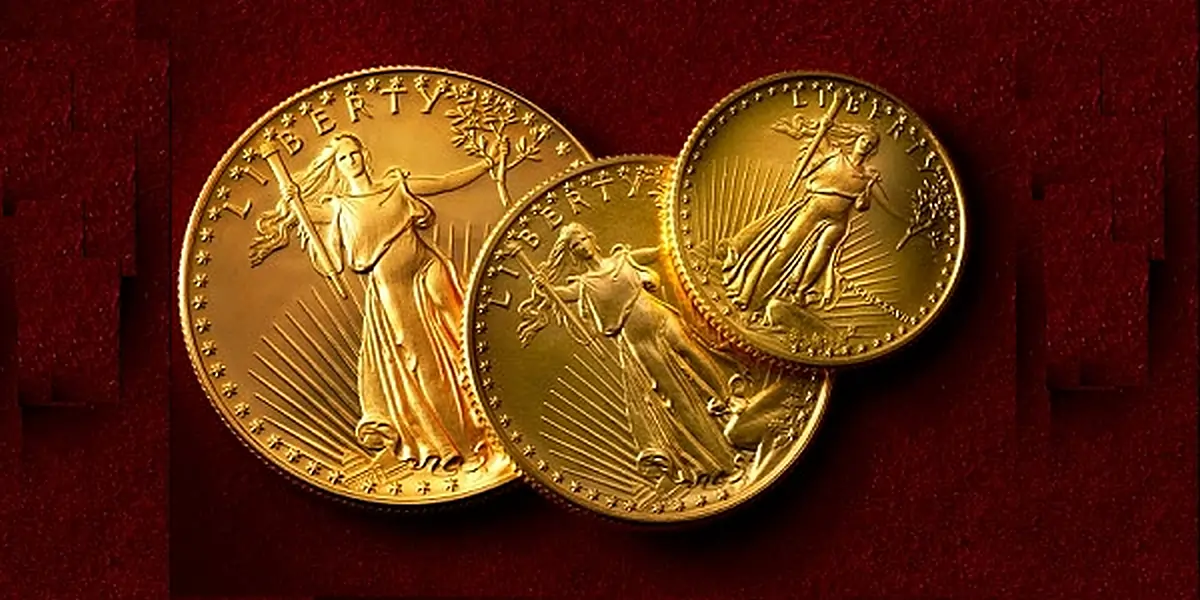
- Fractional gold coins
- American Gold Eagles
- American Silver Eagles
- Certain foreign coins not on the IRS Reportable Items List
- U.S. coins created after the original 1980s reporting list
However, investors should always confirm with their dealer.
Capital Gains: The Tax Side of the Equation
Reporting does not equal taxation.
The IRS taxes profits, not transactions.
If you sell gold or silver at a gain, you owe capital gains tax on the difference between:
- Your cost basis
- And your sale price
If you sell at a loss, no capital gain applies.
Cost basis becomes especially important in inherited or gifted metals. Generally:
- For gifts, the value on the date of receipt establishes basis
- For inherited metals, the date of passing typically sets the stepped-up basis
Because every situation differs, investors should maintain purchase receipts and documentation.
Where the $3,000 and $600 Confusion Came From
The confusion likely stems from unrelated regulatory developments and multiple sources including AI generated articles, You Tube Videos and just plain misinformation. If you are ever unsure, go right to the IRS publication on check with a Tax advisor.
Several financial reporting adjustments take effect in 2026:
- Form 1099-MISC threshold increases from $600 to $2,000 beginning January 1, 2026
- A proposed FinCEN anti-money laundering rule for certain investment advisers referenced $3,000 recordkeeping, but its effective date moved to January 1, 2028
- New FinCEN real estate reporting rules take effect March 1, 2026 for certain all-cash residential transactions involving legal entities
- Third-party networks (Form 1099-K) generally require reporting only if gross payments exceed $20,000 and 200 transactions
- Geographic Targeting Orders in select Southwest border ZIP codes temporarily required reporting as low as $1,000
None of these rules lowered the precious metals cash threshold.
Why Accuracy Matters in Today’s Market
Precious metals investors operate in a world shaped by inflation concerns, global instability, and growing regulatory complexity.
In times like these, rumors travel quickly. However, facts remain steady.
The core federal rule has not changed:
- More than $10,000 in cash triggers Form 8300.
- Certain bullion products in specified quantities trigger Form 1099-B.
Everything else depends on structure, payment method, and product type.
Final Word
Precious metals reporting rules exist for compliance and transparency. They do not prohibit ownership. They do not automatically create tax liability. And they have not shifted to a lower universal threshold.
Investors who understand the rules operate from a position of strength.
In a volatile financial era, clarity remains a competitive advantage. In addition, it is a good idea to KEEP RECORDS of all your Purchases and Sales. Record dates, Item descriptions, Cost Basis, profits and loses, etc/ That way if there is ANY questions or need to reconstruct your activities, you have the information on hand, and don’t have to recreate the information or give a “Best Guess”. Protect Yoursef.
Disclaimer
CoinWeek does NOT provide tax advice, legal advice, or investment advice. This article is intended for educational purposes only and serves as a starting point for understanding precious metals reporting requirements. Tax laws vary based on individual circumstances and jurisdiction. Always consult a qualified financial advisor, CPA, or tax professional before making decisions related to precious metals transactions.








Great information. Clears up some of the confusion I had.
very informative and good to know
I had no idea that there were exceptions as listed in the article. What about even value trades?
Thanks for clarification. Thanks for providing such comprehensive information. I
The new March 1st IRS law that requires all gold and silver ownership/amount/location/ect. to be reported was not well covered. We need to know what IRS Form to use, the address to send that form to and when is the deadline? The penalties are terrible! We need to know! (I am talking about bullion gold us coins and bullion silver us coins.)
Data centers are just for fun AI images of puppies and kittens, definitely not to report on your every transaction in a central bank controlled digital currency.