


Collecting Coin Varieties Rewards Knowledge, Discovery, and Patience
Variety collecting occupies a distinctive position within American numismatics. It rewards study over speed, observation over volume, and curiosity over convention. Most importantly, it preserves an element of discovery that has largely vanished from other areas of the hobby.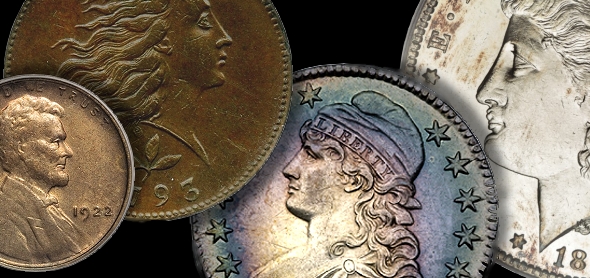
While often associated with advanced collectors, the strategy itself remains flexible. Collectors can engage selectively, deepen existing sets, or pursue specialized goals without abandoning traditional frameworks.
That adaptability explains why variety collecting continues to thrive across generations.
What Makes a Coin Variety Different, and Valuable
A coin variety differs from a standard issue due to characteristics created during die production or use. These differences may include doubled dies, repunched mintmarks, overdates, or distinctive die markers.
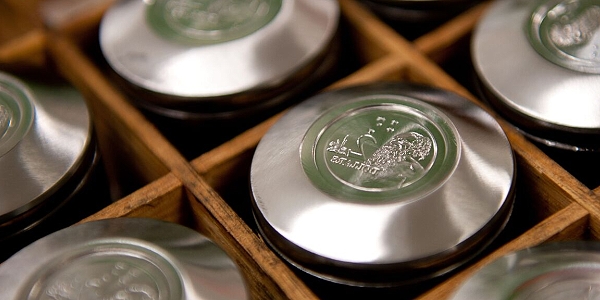
According to Numismatic Guaranty Corporation, a variety is:
“A coin that differs from its basic design type in some distinctive way and is thus differentiated by collectors.”
This definition provides structure. It does not impose collecting rules. Value and desirability emerge from collector recognition, historical persistence, and market validation over time.
The Wow Factor: Discovery Still Exists in Numismatics
One of the most compelling aspects of variety collecting is that discovery remains possible.
Collectors who invest time learning diagnostics occasionally identify varieties that sellers have not attributed. In some cases, the coin represents a known but overlooked variety. In rarer instances, it proves to be a newly recognized die pairing.
Unlike chasing condition rarities, discovery in variety collecting depends on knowledge rather than capital. That dynamic continues to attract collectors who value engagement over acquisition alone.
Numismatic media periodically documents such finds, reinforcing the reality that learning still produces opportunity.
Historical Auction Results Confirm Long-Term Demand
While discovery adds excitement, the market ultimately determines which varieties endure. Several well-documented auction results demonstrate how recognized varieties achieve sustained demand.

Early copper provides some of the clearest examples. The 1793 Wreath Cent “Strawberry Leaf” varieties, long recognized as major die rarities—have realized strong six-figure prices at major public auctions when certified and properly attributed. Their performance reflects decades of specialist demand rather than short-term enthusiasm.
In silver coinage, select Morgan Dollar varieties illustrate similar persistence. The 1888-O Doubled Die Obverse and the 1901 Doubled Die Reverse consistently realize substantial premiums over standard examples. Both varieties appear in A Guide Book of United States Coins and have crossed the auction block multiple times through firms such as Heritage Auctions, reinforcing their mainstream acceptance.
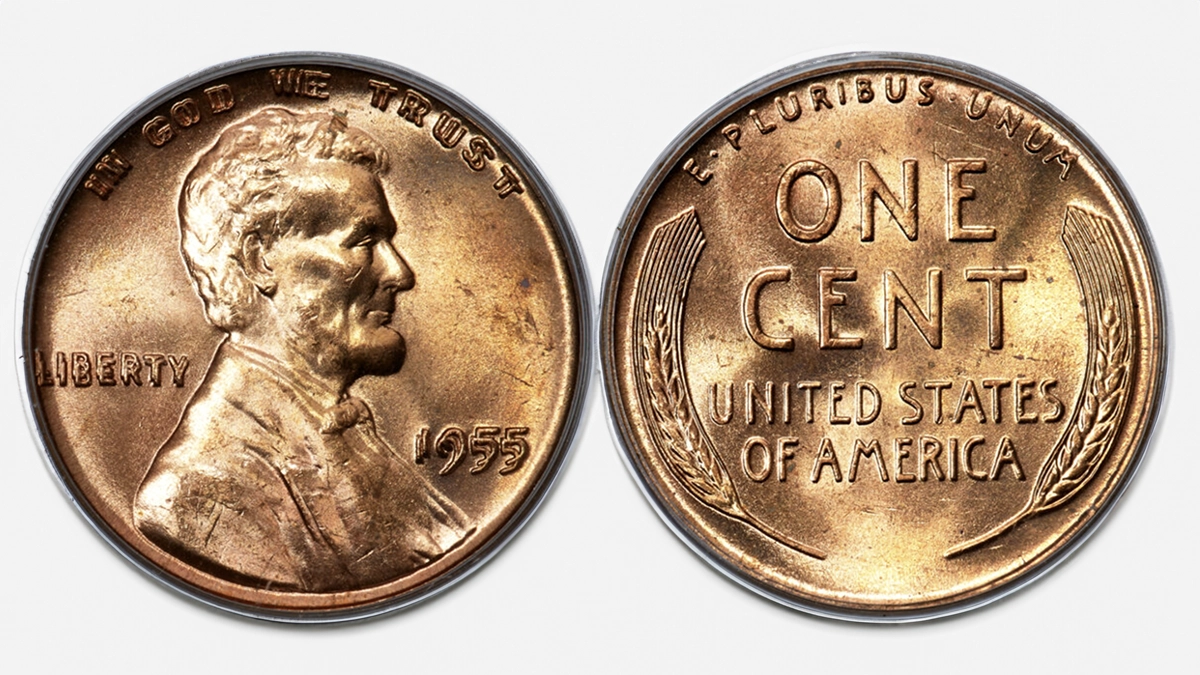
Lincoln Cent varieties provide another instructive case. The 1955 Doubled Die Obverse has appeared in major auctions for decades and continues to command strong prices across grade levels. Its market behavior demonstrates how visibility, documentation, and collector familiarity combine to sustain demand.
These examples share a common trait. Each variety achieved recognition over time, not overnight.
Financial Upside Exists, but It Is Selective
Variety collecting does offer financial upside. However, the potential depends on choosing varieties with lasting recognition rather than pursuing volume.
Highly visible varieties with clear diagnostics and long reference histories tend to perform best. Subtle die markers, while academically important, do not always translate into broad demand.
As a result, successful variety collectors tend to focus on:
- Diagnostic clarity
- Reference consistency
- Auction track records
This approach does not eliminate risk. It does, however, align collecting decisions with historical evidence rather than speculation.
Nearly Every U.S. Series Contains Meaningful Varieties
Another reason variety collecting remains compelling is its breadth. Many U.S. coin series contain recognized varieties and errors that add historical and technical depth.
Collectors encounter them in:
- Early copper and Colonial issues
- Morgan and Peace Dollars
- Lincoln Cents
- Jefferson Nickels
- Washington Quarters
- Modern circulating coinage
Importantly, collectors do not need to pursue every variety. Many integrate select examples into standard date-and-mint sets, enhancing depth without redefining scope.
This flexibility makes variety collecting scalable rather than prescriptive.
Reference Works Shape What Endures
Reference books play a critical role in determining which varieties gain lasting traction.
For decades, the Red Book has applied a deliberately conservative editorial approach. Former Editor Emeritus Kenneth Bressett emphasized restraint, recognizing that listing every known variety would overwhelm collectors and dilute significance.
That discipline continues today. As Senior Editor, Jeff Garrett evaluates proposed additions carefully, balancing collector interest with long-term relevance.
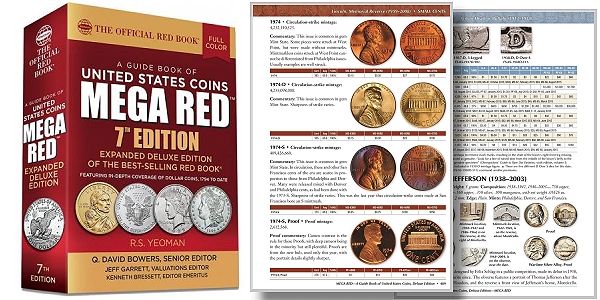
Collectors seeking deeper coverage often consult MEGA RED, which lists more than 9,000 individual coins across approximately 1,500 pages, or the Greysheet, which focuses on the most actively traded varieties.
Together, these sources help distinguish established varieties from short-lived curiosities.
Professional Attribution Adds Confidence
Discovery may start with the collector, but attribution often completes the process.
NGC’s VarietyPlus service allows submitters to obtain expert attribution based on standard references. The service costs $15 per coin, plus the chosen grading tier.
For varieties with market recognition, professional attribution improves liquidity and reduces uncertainty.
Strategy, Not Completion, Defines Success
There is no universal checklist for collecting varieties. Each collector defines significance differently.

A Lincoln Cent collector may pursue the 1922 No D and the 1955 Doubled Die while bypassing less dramatic overdates or mintmark varieties. All appear in the Red Book. Not all carry equal weight.
Understanding varieties helps collectors make informed decisions. It does not dictate outcomes.
In a market increasingly shaped by population reports and price indices, variety collecting preserves something essential. It keeps curiosity relevant. It rewards patience. And it reminds collectors that learning still matters.
* * *








Great article.
Specializing on and getting highly knowledgable about a specific series is the way to go with this.
I love errors and varieties.