


By Kyle Clifford Knapp for PCGS ……
From The PCGS Coin Grading Room
One of the many dreaded PCGS No Grades that may prevent a coin from receiving a numeric (70-point Sheldon) grade is surface smoothing. Considered a subcategory of “damage” due to the physical movement of metal involved, smoothing is a commonly encountered problem on issues from the early United States Mint and is seen on rarities from other eras as well. Basic familiarity with the appearance of such alterations can prevent unpleasant surprises in grading results and give one a better grasp on the condition and value of an affected example.
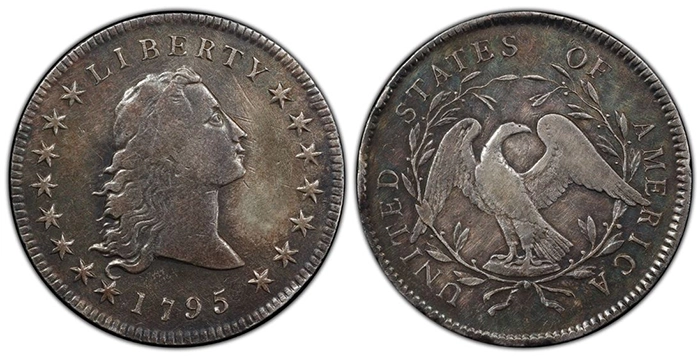
Smoothing with Heat
Perhaps the oldest form of surface smoothing is simple heating or melting. This method is similar to some well-known methods of jewelry repair, wherein the metal is raised to a high temperature, at which point it becomes malleable and can be tapped, scraped, or otherwise manipulated to remove or obscure scratches, tooling, or other problems. This method has been around even longer than United States coins themselves, with many ancient gold coins having been repaired even centuries ago. The resultant surface is typically wavy and uneven, often discolored, and with any natural flow lines from the striking process always obliterated. The 1795 Flowing Hair dollar pictured above has had a large part of its right obverse field (that in front of Liberty’s face) repaired in this way, probably to remove an old graffito.
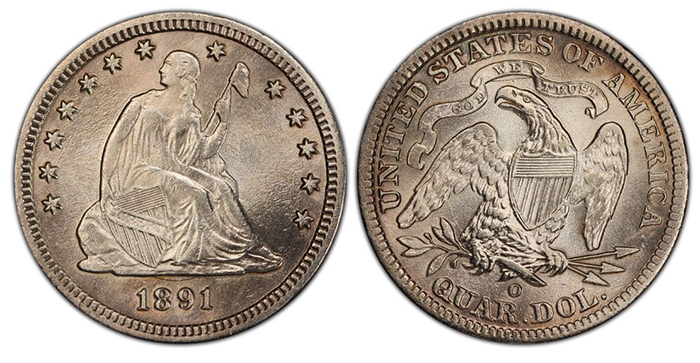
Smoothing by Whizzing
A slightly more modern form of coin surface smoothing is that of whizzing. Generally popular in the 1970s and ‘80s before its telltale appearance became widely known. Whizzing involves using a high-speed rotating brush to impart the semblance of mint luster on the surfaces of a circulated coin, thereby creating the illusion of a higher grade. The final result is a coin with intense but unnatural sheen. Clear cartwheel “bands” of luster thickened almost to the point of absurdity, sometimes encompassing a quarter of the surface area or more. Then they seem jolting violently when rotated beneath a light source. Natural cartwheel bands indicative of original mint luster should be bright but narrow, dancing easily through crevices and atop devices.
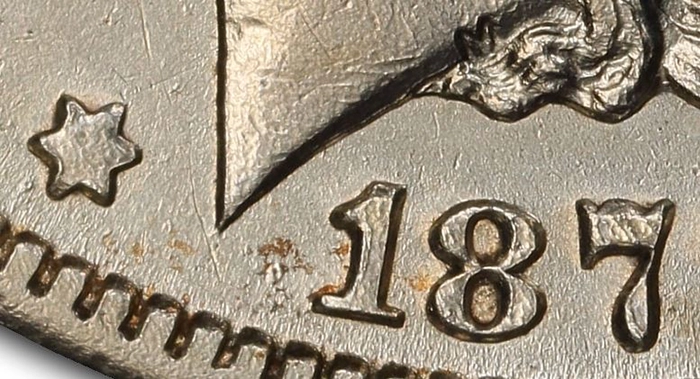
The annular pattern of surface disruption during whizzing also frequently causes a buildup of metal along the leading edges of letters, stars, and devices as encountered by the brush. Note the prominent ridges seen on the date and other elements of the Morgan dollar pictured herein, a characteristic trait of heavily whizzed coins.

Smoothing by Artifical Circulation
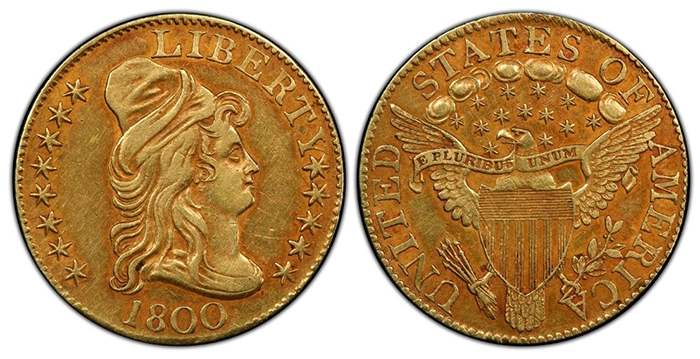
A final common form of surface smoothing is artificial circulation. Usually accomplished by rotating coins in a rock tumbler. Using this method seeks both to conceal underlying problems and mimic the appearance of a naturally circulated piece. This is acheived by lightly abrading the entire surface of the coin. While occasionally deceptive at first glance, artificially circulated examples, like the 1800 half eagle pictured above, evidence an unnatural uniformity. The surface takes on a graying or darkening of the high points and a general flattening of all raised elements. Under magnification, one can see the many small pits caused by repeated collisions with the tumbling medium. Compare its aesthetic to that of the example below, which shows a natural circulation pattern. Even wear on the high points and open fields contrasts nicely with the protected areas between the stars and lettering.
As with all No Grades, coin smoothing or similar problems need not render a piece uncollectible. There are many rare issues for which even the most advanced connoisseur would be satisfied with an impaired example. Recognizing and describing such pieces accurately, however, is an essential part of proper grading and consumer protection.
* * *
 Updated and reformated by CoinWeek – March 2026






Interesting!
Here’s an old joke:
“The first coins in human history were struck about 2600 years ago, according to world historians. About 15 minutes after that, the first counterfeits and alterations began.”
Scammers have been around for a very long time.
With all the tricks available to change a coins appearance, it doesn’t seem to be worth the time.
Also the hit to someone’s reputation.
Thanks
Seems as though the fix is always in…
Very interesting and informative!
I find that the 1800 half eagle has no denomination.
There always seems to be someone trying to cheat others
Why would anyone do that to a coin on purpose?
Penny Dobbins
Honesty is the best policy. That’s why my authentic and maybe not so pretty coins mean more to me than ones that are altered.
Thanks
Con Artists are a dime a dozen! I never buy a coin unless it’s graded by one of the major companies!
Great information, to distinguish the difference between legitimate and
Possibly counterfeit
interesting article.
Wow! I guess you always need to be on guard of unscrupulous people.
informative article…thank you.
Good to know.
Interesting article. I appreciated the close-up picture of the build up from whizzing, that would be incredibly hard for me to notice.
Great article. Thanks!
I don’t understand how putting coins in a rock tumbler could possibly improve value. More explanation, please.
Well, I learned something today. Thanks
Great article. Thank you. Good information.
Excellent article. As a collector who is trying to learn to spot cleaned coins and coins worthy of submission this article really helps understand some of the process.
Wouldn’t high frequency sound waves remove surface contaminants and impurities without damaging the metal and, while not removing physical damages or imperfections, leave the original natural luster and shine?
Maybe
Great article, informative, thanks.
Akin to Smoothing…”Thumbing” was also a popular form of hiding & removing defects from coins as well.
Fascinating.
What sad is that all these deceptive attempts to “improve” the appearance of a coin actually degrade their value once the alteration is discovered. The ones who pay the price are the collectors who buy these coins unaware of the alteration, thinking they’re getting a more valuable coin than they really are.
Learned quite a bit from this article. I’ll just stick with my junk silver coins.
In the 70’s I had a 1907 $10 Indian gold coin that I sent to PCGS for grading.
They sent it back, No Grade, said it had been whizzed on the edge which had stars all around
it. The coin otherwise was in beautiful condition. Why would someone do that for the tiny amount of gold that’s taken off?
interesting article
Very interesting how we look at coins now compared to 100 years ago, and what is considered cleaning and damaging coins.
Good stuff
Interesting!
Very informative! It is tough to keep track of all the potential pitfalls in collecting!!