Surface preservation remains one of the most critical and most misunderstood factors in professional coin grading. Among the issues that can prevent a coin from receiving a numeric grade at PCGS, surface smoothing stands out for both its frequency and its ability to deceive even experienced collectors at first glance.
PCGS classifies surface smoothing as a form of damage because it involves the physical displacement of metal. While commonly encountered on early United States Mint issues, smoothing appears across many eras and denominations, including some of the rarest coins known. Understanding how smoothing occurs, and how it presents visually, can help collectors avoid grading surprises and make more informed judgments about condition and value.
Why Surface Smoothing Matters in Professional Grading
Surface smoothing alters the original texture created when a coin was struck. That texture, including flow lines and microscopic metal movement, plays a key role in how graders assess originality. When those characteristics disappear or appear inconsistent with natural wear, the coin no longer reflects its true state of preservation.
Importantly, smoothing does not always occur with malicious intent. In many historical contexts, owners attempted to “improve” coins using techniques borrowed from jewelry repair or metalworking. Nonetheless, modern grading standards focus on what remains today, not the motivation behind past alterations.
Heat-Based Smoothing: The Oldest Technique
One of the earliest known methods of surface smoothing involves heating or partially melting the metal. Once heated, the metal becomes malleable and can be tapped, scraped, or reshaped to obscure scratches, graffiti, or other surface problems.
This technique predates the United States Mint. In fact, many ancient gold coins show evidence of repairs performed centuries ago. The results, however, are consistent across eras. Coins treated this way typically display wavy or uneven surfaces, discoloration, and the complete absence of original flow lines.
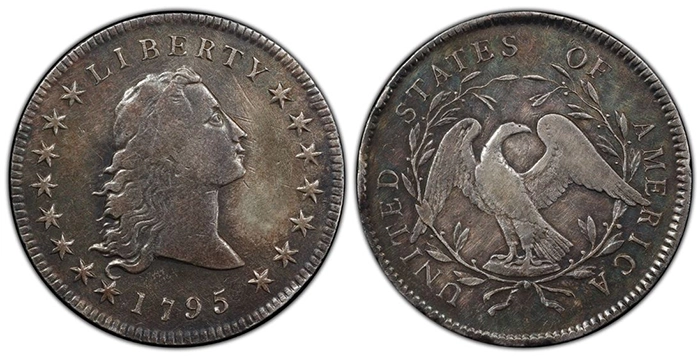
The 1795 Flowing Hair dollar [above] illustrated in the original article provides a clear example. A large section of the right obverse field, directly in front of Liberty’s face, was altered using heat, most likely to remove an early graffito. While the coin remains historically significant, the surface no longer reflects its original struck state.
Whizzing: Artificial Luster and Its Telltale Signs
A more modern form of surface smoothing is whizzing. This practice gained popularity during the 1970s and 1980s, before its distinctive appearance became widely recognized within the numismatic community.
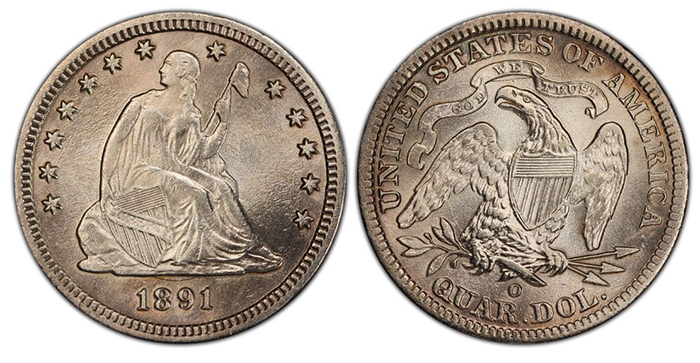
Whizzing involves applying a high-speed rotating wire brush to a circulated coin. The goal is to simulate mint luster and create the illusion of a higher grade. While the resulting sheen may appear impressive at first, it lacks the subtlety and structure of genuine luster.
Instead of narrow, flowing cartwheel bands that move smoothly across the surface, whizzed coins exhibit thick, exaggerated bands. These bands often cover large portions of the coin and appear to jerk or jump abruptly when rotated under light. This behavior contrasts sharply with natural mint luster, which moves fluidly through recesses and over devices.
Metal Buildup and Edge Distortion from Whizzing
Whizzing also produces physical side effects that are difficult to reverse. As the rotating brush contacts raised elements, it pushes metal forward. This action frequently creates ridges along the leading edges of letters, stars, and devices.
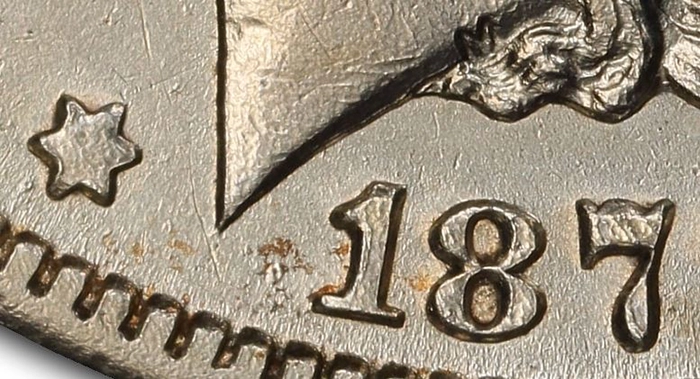
The Morgan dollar example illustrates this clearly. The date and surrounding design elements show pronounced metal buildup, a hallmark of aggressive whizzing. Once present, these ridges provide strong evidence of surface alteration, even if the artificial luster has dulled over time.
Artificial Circulation: Simulating Wear Through Tumbling
Another commonly encountered form of smoothing is artificial circulation. This method typically involves placing coins in a rock tumbler to abrade the surfaces evenly. The intent is twofold: to hide existing problems and to mimic the appearance of natural wear.
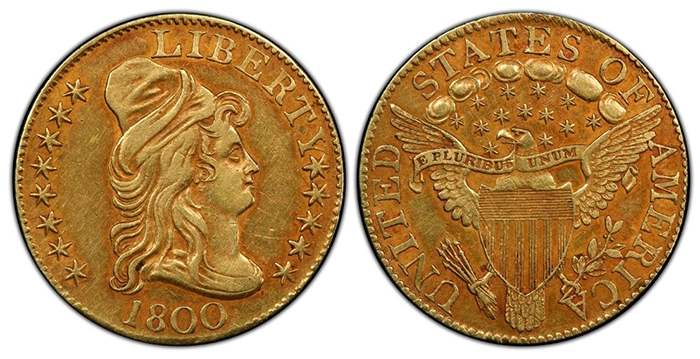
At first glance, artificially circulated coins can appear convincing. However, closer examination reveals several inconsistencies. The wear tends to be unnaturally uniform across the entire surface. High points often appear darkened or gray, and design elements show a generalized flattening rather than the selective wear expected from genuine circulation.

Under magnification, these coins often display numerous small pits caused by repeated impacts with the tumbling medium. The 1800 half eagle discussed in the original article demonstrates these traits. When compared to a naturally worn example, the difference becomes apparent. Natural circulation produces smooth wear on high points while leaving protected areas, such as spaces between stars and letters, relatively intact.
Collectibility and Market Reality
A PCGS No Grade designation does not automatically make a coin undesirable. Many rare and historically important issues survive only in impaired condition. In such cases, collectors and specialists may accept smoothing or other forms of damage as part of the coin’s story.
That said, accurate identification and disclosure remain essential. Proper grading protects both buyers and sellers by ensuring that altered surfaces are recognized, described, and valued appropriately. Knowledge of surface smoothing, therefore, is not merely academic. It is a practical skill that supports transparency and trust in the numismatic marketplace.
Editors Note: Original Article by By Kyle Clifford Knapp for PCGS April 2023 – Re-formated and optimized by CoinWeek Dec 2025.
* * *